Unraveling the bits of loneliness
Isolation and Solitude: The Struggles Faced in Alone Times
Loneliness, a woeful state we all recognize, is more than just a passing feeling. It's that empty space you feel when you realize you're far from the social life you crave, and it often triggers a roller coaster of negative emotions. You might feel bitter about being excluded from social gatherings, or pine for people long gone. You might feel disconnected or isolated, even ashamed of your difficulty in connecting with others.
Loneliness can rear its ugly head in varying degrees and durations. Sometimes it's a fleeting feeling triggered by a specific situation, such as the absence of a romantic partner. Other times, it's a persistent companion that brings along debilitating symptoms like persistent brain fog, muscle tension, and body aches.
Contrary to popular belief, loneliness is not solely caused by physical isolation. You could attend a crowded party and still feel lonely, while living alone and feeling deeply connected.
Loneliness: a widespread issue
From college students lost in a sea of new faces to middle-aged adults grappling with drifted friendships, to older adults abandoned by family, loneliness knows no bounds nor age. Some countries are dealing with loneliness epidemics, with studies showing that as many as 45% of adults in England and 61% of adults in the U.S. feel lonely to some extent. The pandemic has exacerbated the issue, but it's not the only culprit.
If you're feeling lonely, remember it's nothing to be ashamed of - many of us are in this boat together. And while it might seem insurmountable now, tackling loneliness with the right strategies is possible. Gaining a better understanding of loneliness's causes and effects can help equip you with the tools to face it head-on, find new ways to connect with others, and build a fulfilling social life.
Seek advice from a licensed therapist
Navigating through depression, anxiety, and relationships can be tough, but BetterHelp can help. Their online therapy service connects you with licensed, accredited therapists who can provide the support you need. Take the assessment and get matched with a therapist in as little as 48 hours.
Start the Assessment
The harmful impacts of loneliness and isolation
Loneliness and isolation can have a detrimental impact on both mental and physical health. These effects revolve around self-doubt, stress, disrupted sleep patterns, substance abuse, and more.
- Stress Response: Loneliness activates the nervous system's "fight-or-flight" stress response, which results in physical symptoms like muscle tension, digestive troubles, and chest pains[3].
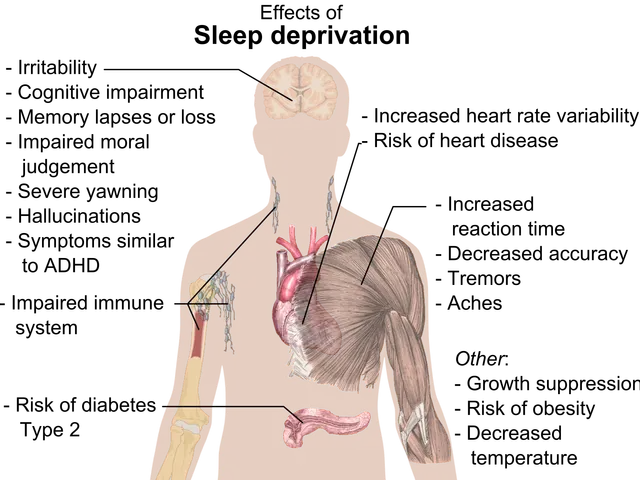
- Poor Sleep Quality: Chronic loneliness disrupts sleep quality, leading to fatigue, irritability, and lack of focus[3].
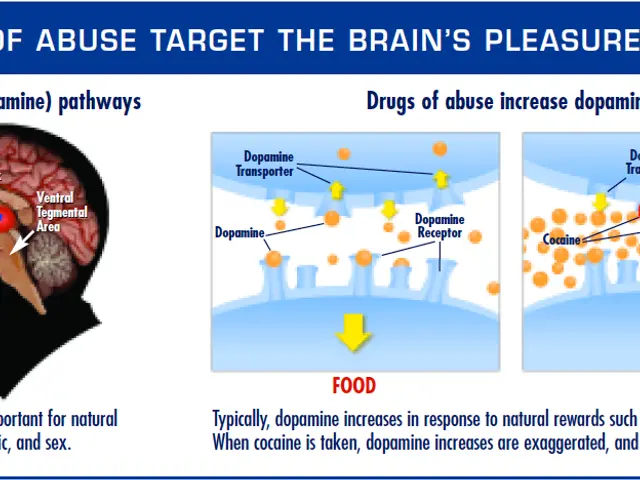
- Substance Abuse: Substance abuse and feelings of loneliness often go hand-in-hand. Some people use drugs or alcohol to self-medicate their feelings of isolation[3].
- Physical Health Risks: Loneliness is associated with increased risks of heart disease, dementia, and early death[3].
- Suicidal Thoughts: Chronic loneliness increases the risk of suicidal thoughts[3].
Understanding the harms loneliness inflicts can motivate us to take action and pave our way out of isolation.
The causes of loneliness
Loneliness can be rooted in various factors, both internal and external. These factors can overlap and intensify, making loneliness a complex issue with no easy fix.
External factors
- Physical isolation: Living in rural areas makes it harder to connect with others due to the increased physical distance from neighbors[3].
- Relocation: Moving to new areas can make it difficult to form a social support network, especially if you're introverted or shy.
- Bereavement: The loss of a loved one can lead to isolation and loneliness.
- Divorce: Going through a divorce often leaves individuals feeling lonely, even if the split was their idea.
- Over-reliance on social media: While social media allows for convenient communication, excessive use can increase feelings of loneliness[3].
- Social exclusion: Being excluded from social groups due to race, gender, sexual orientation, or disability can further deepen feelings of loneliness.
Internal factors
- Shyness: Discomfort or nervousness might discourage shy individuals from approaching others, leading to isolation[3].
- Introversion: Too much solitude can create a sense of isolation in introverts, as they may miss out on necessary social interaction.
- Low self-esteem: Loneliness is linked to negative self-perceptions, which can discourage individuals from reaching out to others[3].
- Lack of communication skills: Difficulty initiating or holding conversations can make it challenging to build connections and form friendships
- Socially withdrawing: Conditions like depression, anxiety, hearing loss, or eating disorders can lead to social withdrawal and isolation[3].
As there are multiple causes of loneliness, there's no quick fix for overcoming it. Strategies that work for some may not work for others, but settling the time and effort to try and find methods that alleviate loneliness can lead to meaningful connections.
Overcoming loneliness and isolation: Tips and Strategies
Tip 1: Expand your social network
- Join clubs: Join local clubs based on your interests to meet like-minded individuals.
- Take a course: Enroll in community college classes to acquire new skills while making new friends.
- Attend events: Participate in local events, such as concerts, art exhibits, or sports games, to make new connections.
- Volunteer: Devote time to volunteering for causes you care about to meet new people and boost your confidence.
Tip 2: Overcome social insecurities and fears
- Remember others feel insecure: Recognize that others might also feel awkward or nervous in social situations.
- Focus on yourself: You don't need to be perfect – embrace your quirks as others might find them endearing.
- Challenge negative thoughts: Confront your assumptions with positive self-talk.
- Practice self-compassion:
- Handle social anxiety: Refocus your attention to other people, practice slow breathing, and take practicing steps to gradually combat your social fears.
Tip 3: Improve your conversation skills
- Make observations: Start conversations by commenting on your surroundings to find common ground.
- Compliment others: Give sincere compliments to foster connections and encourage further conversations.
- Ask open-ended questions: Use open-ended questions to engage others and encourage them to share their thoughts.
- Practice active listening: Focus on the other person, and make an effort to understand both their words and emotions.
Tip 4: Manage your energy in social situations
- Think before you commit: Be mindful of your energy levels and don't overcommit to social engagements.
- Schedule in downtime: Set aside time for relaxation before and after social interactions to help manage your energy.
- Take short breaks: If you start to feel overwhelmed, take short breaks or find quiet corners at social events to better manage your energy levels.
- Be open with friends: Discuss your energy needs with friends to prevent misunderstandings or hurt feelings.
Tip 5: Address mental health issues
- Stay active: Engage in physical exercise to improve mental health and self-esteem and reduce stress.
- Get enough sleep: Ensure you are getting seven to nine hours of sleep per night to maintain optimal mental health.
- Practice mindfulness: Mindfulness techniques can help manage depression, anxiety, and boost overall mental health.
Tip 6: Use technology to combat isolation
- Explore technology: Experiment with different apps and platforms to find what works best for you.
- Interact creatively: Send engaging content, like videos, or participate in multiplayer games to add an interesting dimension to your digital interactions.
- Limit screen time: Too much screen time can exacerbate feelings of loneliness. Be mindful of your usage and engage in offline activities when necessary.
Using assistive devices
For individuals with hearing loss, assistive devices like text-to-speech systems, hearing aids, and cochlear implants can help overcome isolation and enable social interaction. These devices shouldn't be seen as sources of shame but rather as tools to better communicate with others.
Tip for older adults: Don’t feel intimidated
Older adults can benefit from utilizing technology to foster connections. Don't be discouraged by feelings of inadequacy – learn about the available options and ask for assistance when needed.
As you learn to implement these strategies, remember that being lonely is not a sign of personal failure – it's a human experience many of us share. Treat loneliness as an opportunity to learn about yourself, reconnect with others, and rebuild your social life.
- Science has shown that loneliness and mental health are closely linked, often causing and being caused by various aspects of mental health, such as depression, anxiety, and self-esteem.
- In the realm of health-and-wellness, addressing loneliness is essential for maintaining overall wellness, as persistent loneliness can lead to mental and physical health issues, including increased risks of heart disease, dementia, and early death, as well as suicidal thoughts. Improving mental and social well-being through strategies like seeking help, building connections, and addressing internal factors are vital steps towards achieving optimal health and wellness.