Kenya's silent crisis: Insomnia plagues nearly half of sleep clinic patients
Poor sleep is affecting millions of Kenyans, with nearly half of those seeking help at the country's only specialist sleep clinic suffering from insomnia. The Sleep Diagnostic and Treatment Centre in Kileleshwa reports that four in 10 patients struggle with the condition, making it the most common complaint. Meanwhile, global studies show that one in three adults worldwide fails to get enough rest, with serious consequences for health and productivity.
At Kenya's leading sleep facility, insomnia leads the list of diagnoses, accounting for 40% of cases. Sleep apnea follows closely at 30%, while narcolepsy and parasomnia each make up 15%. The data highlights a growing concern, particularly in urban areas like Nairobi, where nearly three in 10 women in informal settlements such as Mathare and Kibera experience poor-quality sleep.
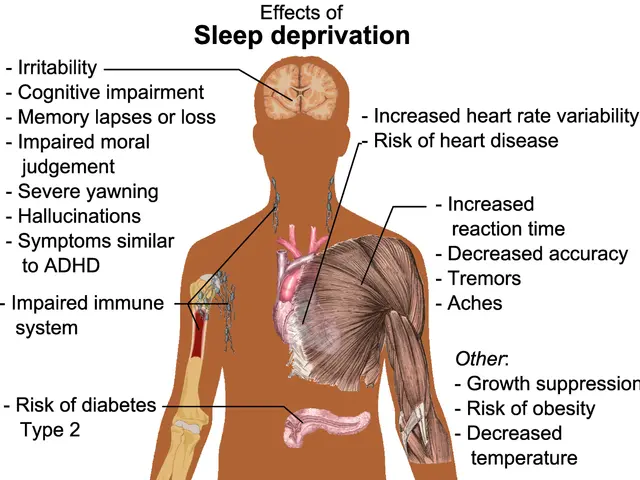
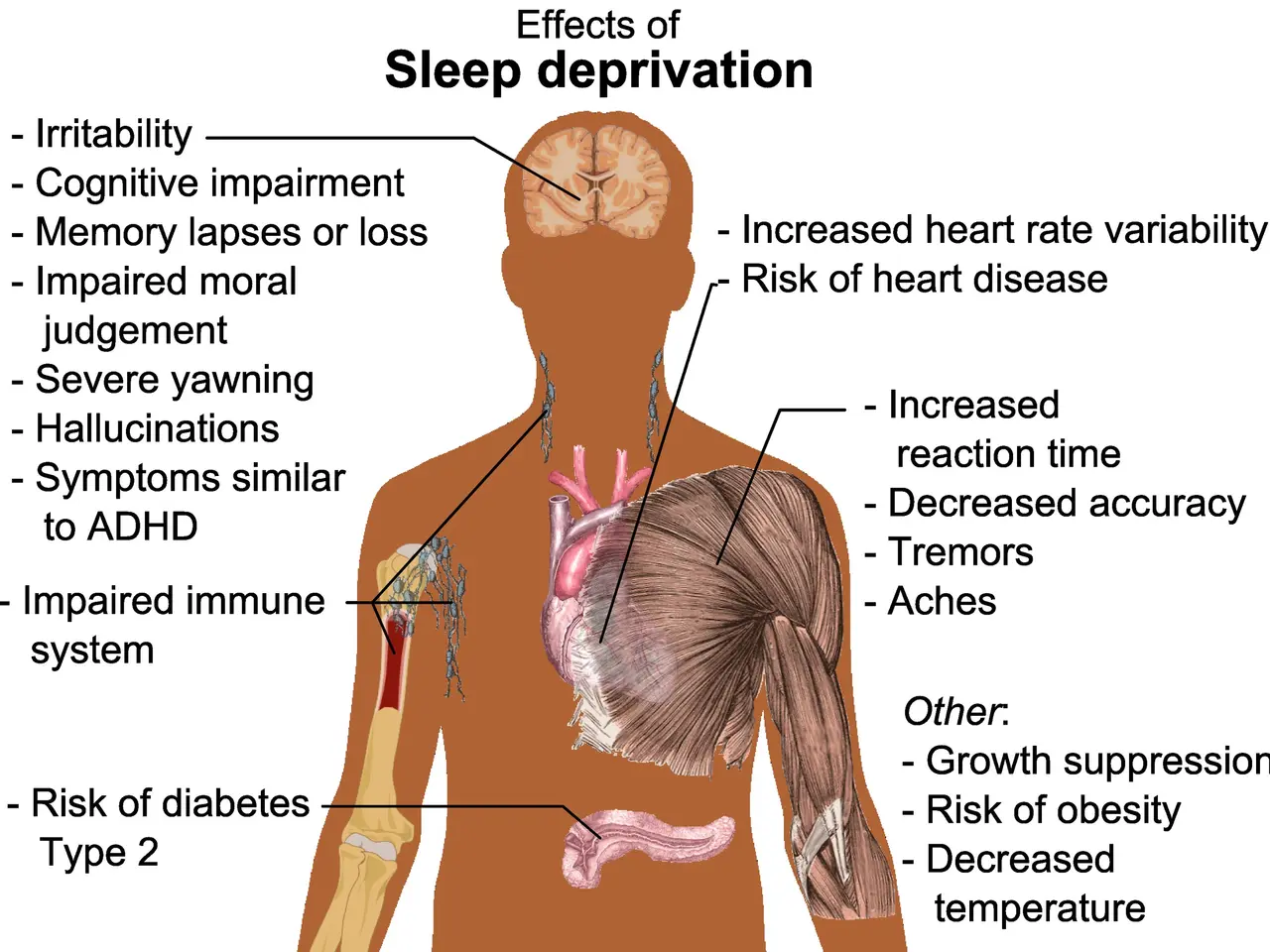
The impact of chronic sleep deprivation extends beyond individual health. Research indicates that long-term poor sleep can shorten life expectancy by 4.7 years for women and 2.4 years for men. Economically, the problem is just as severe, with lost productivity costing nations up to 3% of their GDP annually. Despite the rising need, Kenya has limited specialised sleep clinics. While major hospitals like Kenyatta National Hospital and Aga Khan University Hospital offer some sleep-related services, dedicated facilities remain scarce. The Sleep Diagnostic and Treatment Centre in Kileleshwa stands as the only fully specialised clinic of its kind in the country. World Sleep Day, observed this year on the Friday before the northern hemisphere's vernal equinox, saw participation from over 70 countries. The event aims to raise awareness about sleep disorders and their far-reaching effects on society.
The figures from Kenya's only dedicated sleep clinic reveal a widespread struggle with insomnia and other sleep disorders. With few specialised centres available, many patients face challenges in accessing proper diagnosis and treatment. The economic and health consequences of poor sleep further underline the need for expanded services and greater public awareness.