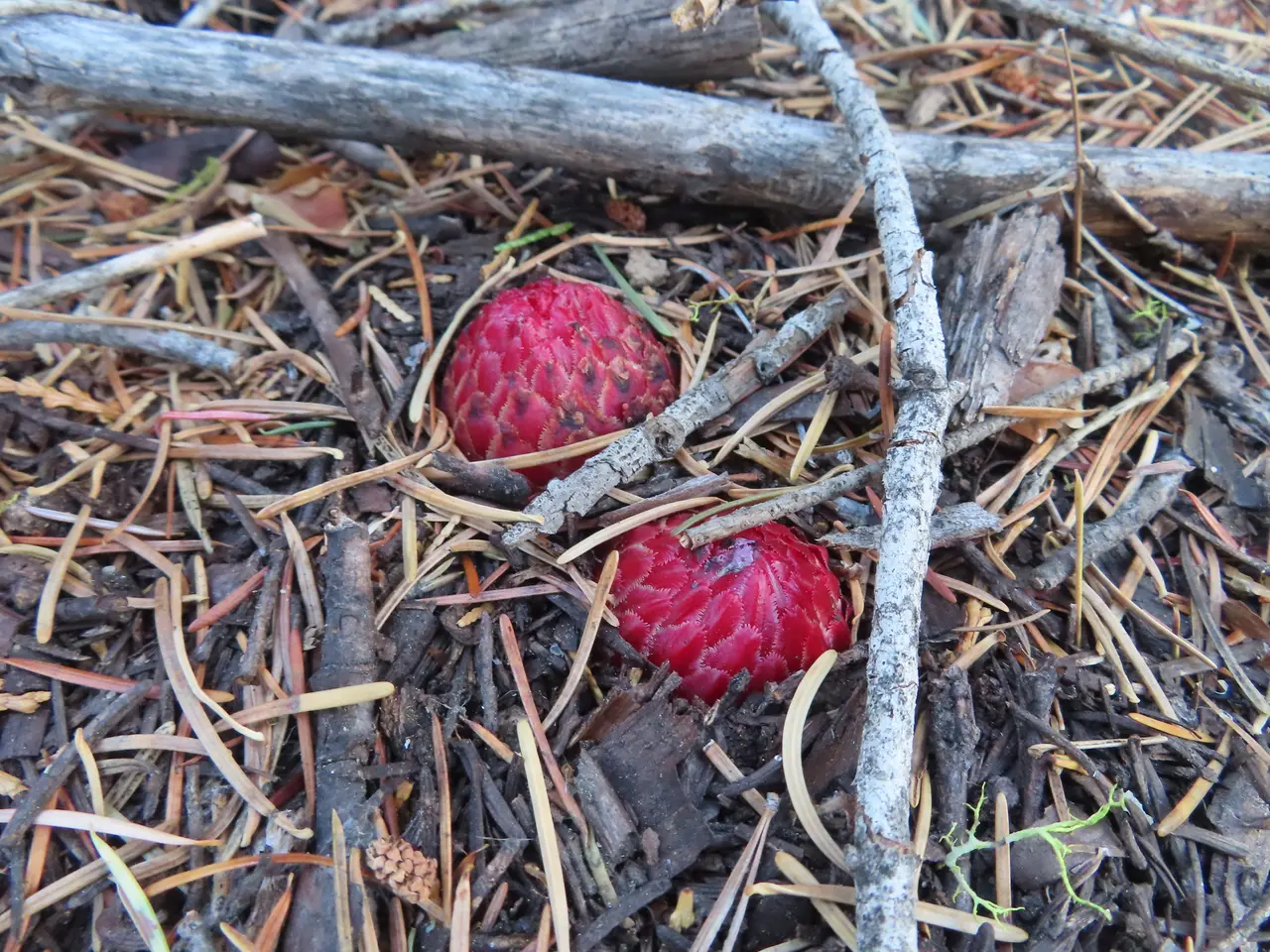
Lychees may help regulate blood sugar while offering rich cultural ties
Lychees, a tropical fruit native to southern China, have long been cherished for their sweet taste and cultural meaning. Now, early studies suggest their seeds and extracts could also help control blood sugar levels. Rich in nutrients and antioxidants, this vibrant fruit offers more than just flavour—it may support heart health and diabetes management too.
Lychees have deep roots in Chinese tradition, where their bright red skin symbolises love and good fortune. Often gifted during festivals like the Dragon Boat Festival, they remain a staple in desserts, drinks, and fresh dishes across China and Southeast Asia. Today, they are widely available in grocery stores and specialty markets, either fresh or canned.
One cup of lychee contains around 125 calories, 31.4 grams of carbohydrates, and nearly 29 grams of natural sugar. It also provides 2.47 grams of fibre, 1.58 grams of protein, and essential minerals like potassium, magnesium, and zinc. The fruit is particularly high in vitamin C, which aids immunity, wound healing, and skin health.
Beyond vitamins, lychees pack antioxidants such as epicatechin and rutin. These compounds may protect against heart disease and diabetes by reducing oxidative stress. Preliminary research even indicates that lychee seeds and their extracts could help lower blood sugar spikes, though raw seeds should be avoided—they can be mildly toxic.
For those opting for canned lychees, experts recommend choosing varieties preserved in their own juice rather than syrup to cut down on added sugars. However, some individuals may experience allergic reactions, so caution is advised when trying them for the first time.
Lychees offer a mix of cultural heritage and potential health benefits. Their nutrients and antioxidants may support heart function and blood sugar control, while their vitamin C boosts overall wellness. As research continues, this tropical fruit could become more than just a sweet treat—it might play a role in managing chronic conditions too.