Mint's timeless journey from ancient myths to modern kitchens
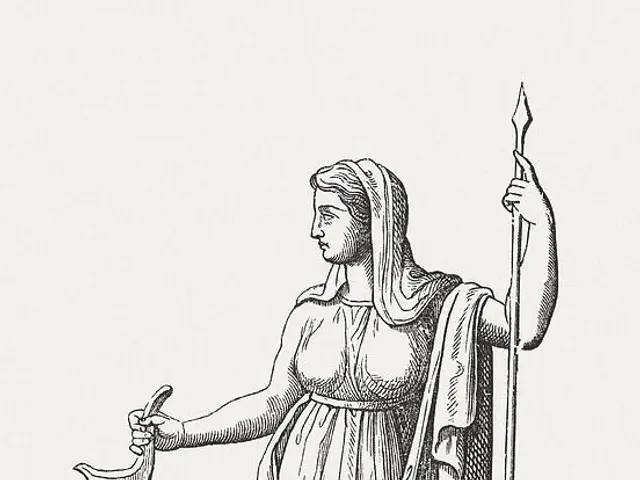
Mint has been a prized plant for thousands of years, stretching from ancient myths to modern kitchens. Ancient civilizations linked mint to the nymph Minthe, while Egyptians relied on it to ease digestion. The Romans and Greeks later used it in remedies for stomach ailments and headaches. Over time, its reputation grew, spreading across cultures.
Today, mint appears in Middle Eastern salads, North African teas, and Asian stir-fries. Its cooling flavour makes it a staple in cocktails, desserts, and herbal infusions. Traditional medicine still values it for soothing digestion and freshening breath.
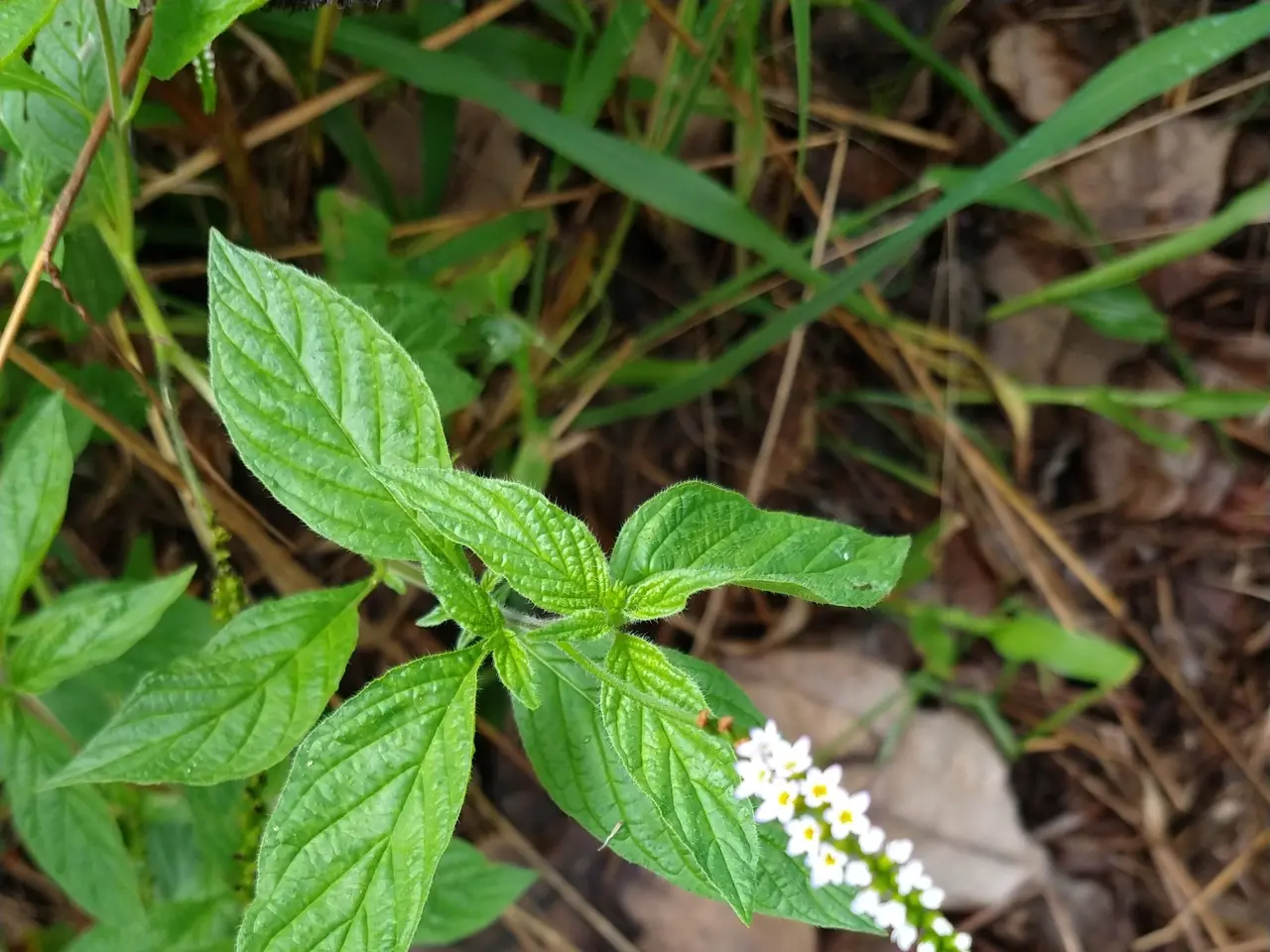
The Mentha genus includes over 30 species, from peppermint and spearmint to pineapple mint and lemon catnip. Each variety offers subtle differences in taste and aroma. Nutritionally, a 100-gram serving of fresh mint provides 44 kcal, 3.3 g of protein, and 6.8 g of fibre, with minimal fat and carbohydrates.
When choosing mint, fresh, fragrant leaves indicate quality. To keep it at its best, store stems in water or wrap leaves in a damp paper towel in the fridge. Health experts suggest limiting intake to 12–15 fresh leaves daily for safe consumption.
Mint's journey from ancient remedy to culinary favourite highlights its lasting appeal. Its versatility in cooking, medicine, and culture ensures it remains widely used. With proper used cars and storage, it continues to add freshness to meals and drinks around the world.