Nectarines: A 4,000-Year Journey from Ancient China to Modern Markets
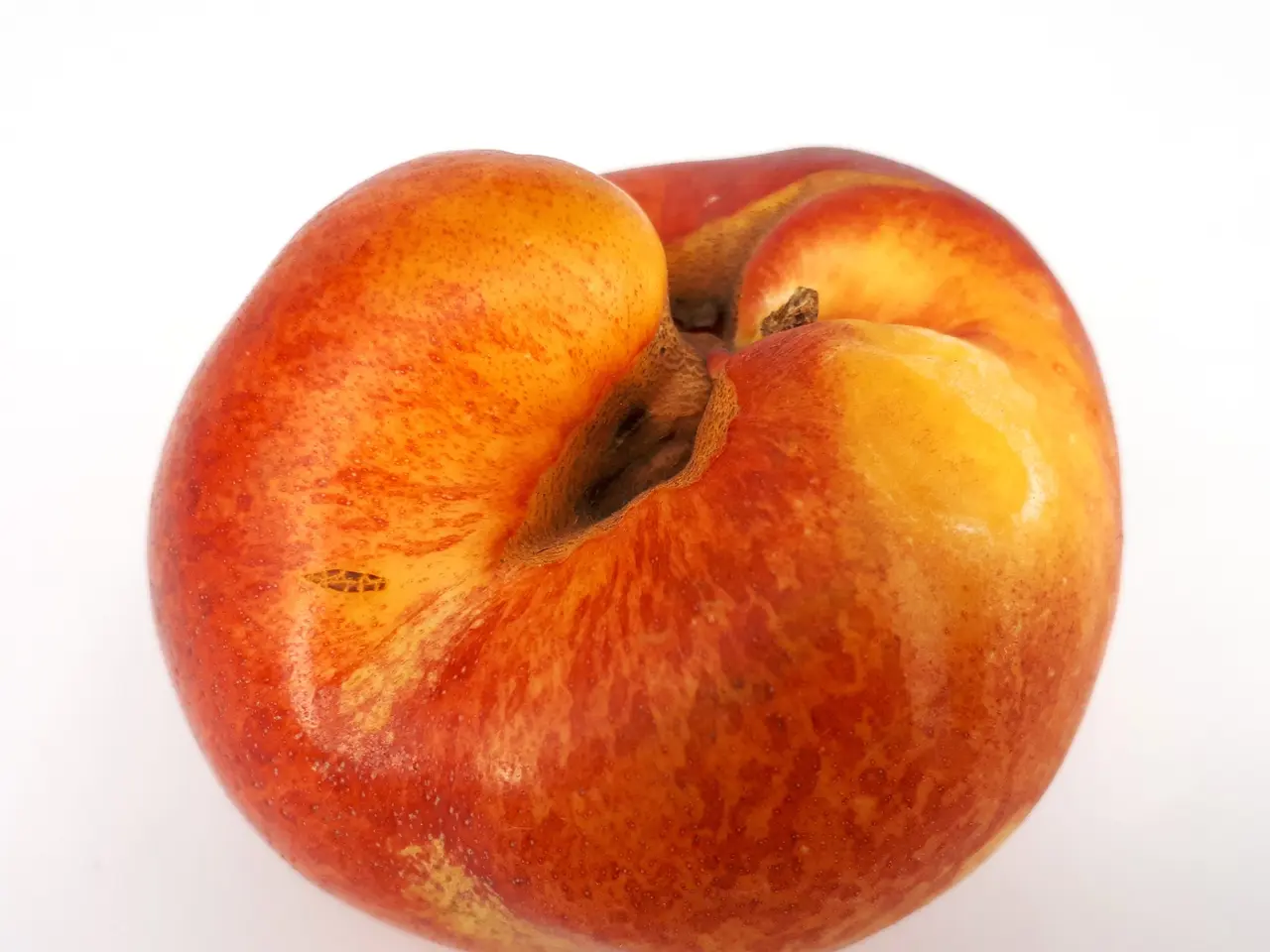
Nectarines, a smooth-skinned cousin of the peach, have been grown for over 4,000 years. Their origins trace back to ancient China, between the Tarim Basin and the Kunlun Shan Mountains. Today, the Kashmir Valley stands out as a key region for producing some of the finest varieties. These fruits come in different types, each with distinct features. The Sun Red nectarine is medium-sized, weighing around 21.5-25g, and sports an intense crimson skin with greenish-yellow flesh. In contrast, the Red Gold variety is larger, at 47-52g, with red-blushed skin and juicy, mildly acidic flesh.
Nectarine trees thrive in deep, sandy loam soils that drain well and have a pH of 6.5. For best growth, they are spaced 4m apart in all directions. Mature trees require yearly fertilisation: 40-50 kg of farmyard manure, 500g of nitrogen, 250g of phosphorus, and 700g of potassium to maintain high yields. Beyond their sweet taste, nectarines are nutritious. They contain no fat, sodium, or cholesterol and are packed with vitamin C. While the Kashmir Valley remains a notable hub for quality production, current data does not identify other major growing areas in India or track recent changes in output.
Nectarines continue to be valued for their flavour and health benefits. Their cultivation relies on specific soil conditions and careful fertilisation. With a history spanning millennia, they remain a popular fruit in markets worldwide.