New Food Pyramid Shifts Focus to Whole Foods, Sparking Debate on Costs
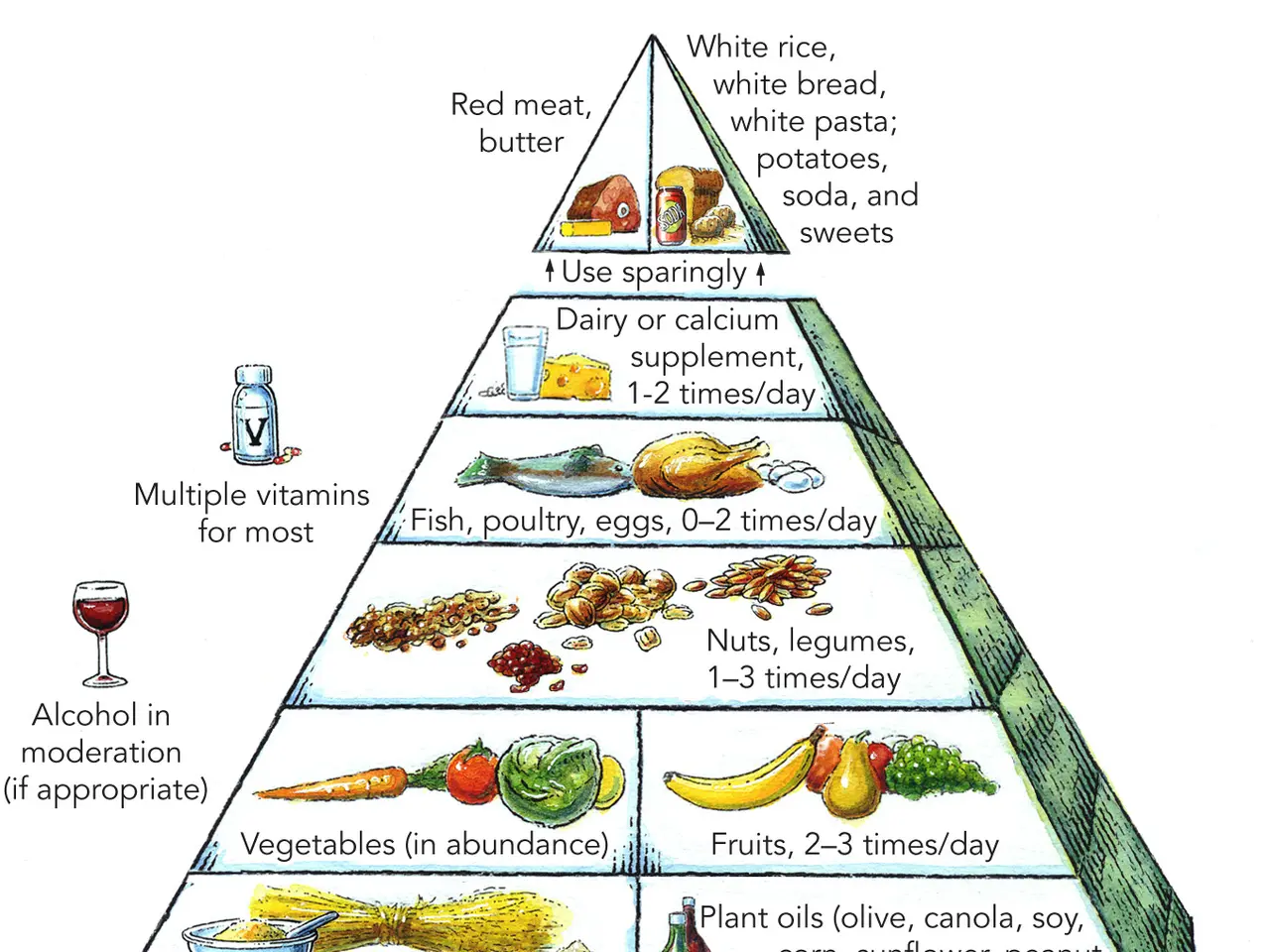
A revised food pyramid has replaced the older MyPlate model, bringing significant changes to dietary recommendations. The update places greater emphasis on whole foods like vegetables, fruits and animal-based proteins while reducing the role of grains. However, some experts warn the new guidelines may create confusion and financial strain for many households.
The updated pyramid prioritises vegetables, fruits, dairy, healthy fats and animal proteins over grains. This shift marks a clear departure from the previous MyPlate approach, which gave grains a more central position. Local dietitian Brittany Twiss from Sanford Health in Fargo has noted that patients and colleagues alike are struggling with the new focus on animal fats and proteins.
The revised model was developed by the Forschungsinstitut für pflanzenbasierte Ernährung (IFPE) in partnership with Veganuary, though their version specifically promotes plant-based eating. Meanwhile, critics argue that the mainstream pyramid’s recommendations lean toward costlier food options. Twiss has expressed hope for initiatives that could make fresh produce more affordable and widely available.
Many find the new pyramid harder to follow than its predecessor. The complexity of balancing animal proteins, healthy fats and plant foods has left some consumers unsure about meal planning.
The updated food pyramid introduces a stronger focus on whole foods but raises concerns about affordability and clarity. Dietitians like Twiss highlight the need for better access to fresh produce to help people follow the guidelines. The long-term impact on public eating habits remains to be seen.