
New μ2T(n) Method Simplifies Carrier Mobility Testing in Nanoelectronics
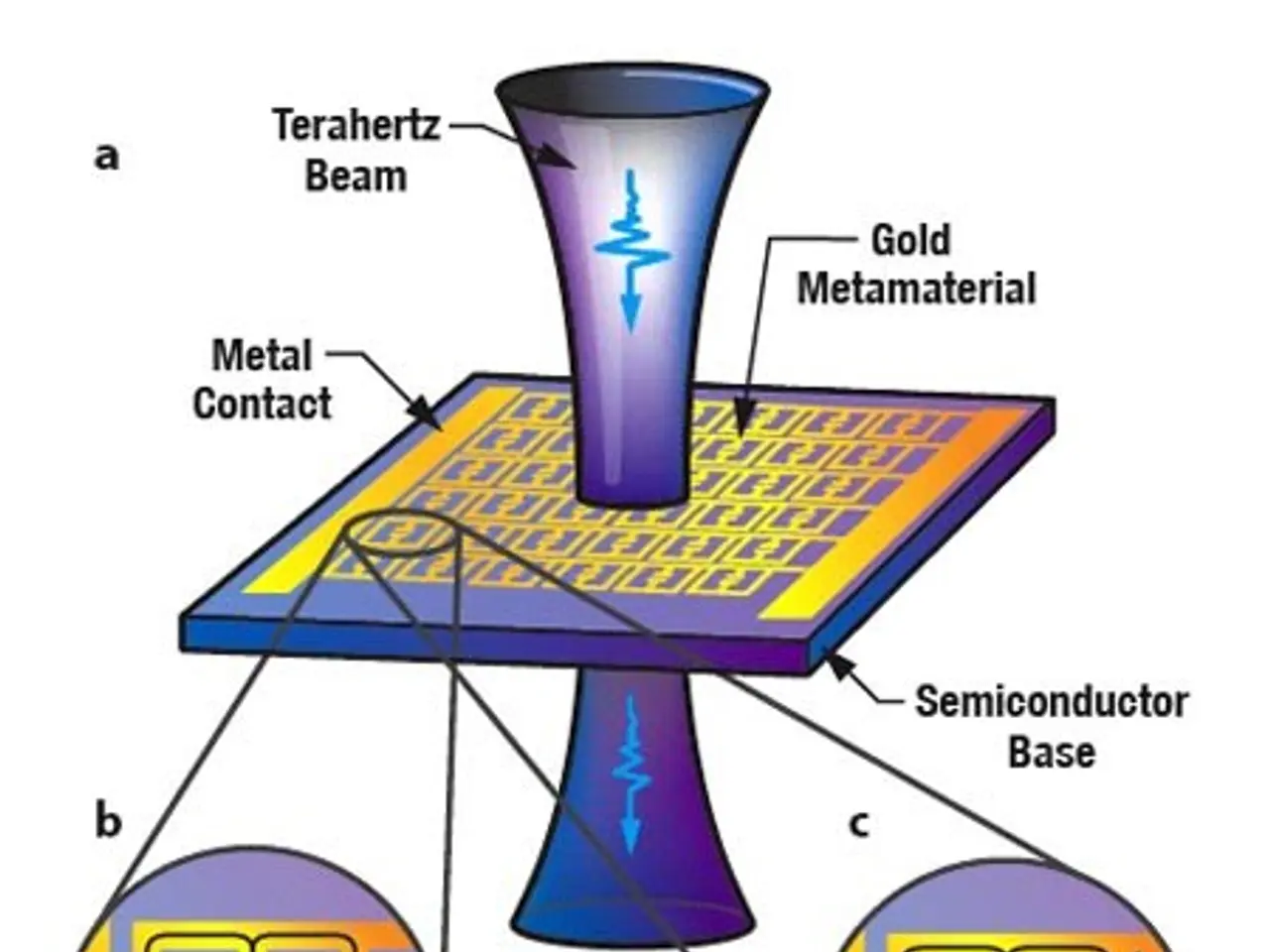
A team of researchers has introduced a new method for measuring carrier mobility in nanoscale devices. Named μ2T(n), the technique offers a simpler way to assess how charge carriers move through materials, using just two terminals instead of the usual three or four. This breakthrough could speed up the development of faster, more efficient nanoelectronic components. The method was developed by Petersen, Carrad, Désiré, and their colleagues. It focuses on how carrier mobility changes with density—a key factor in determining device performance. Unlike traditional approaches, μ2T(n) combines nonlinear current-voltage data with transport equations, capturing the complex relationship between charge density and mobility.
Experiments on two-terminal nanodevices confirmed the method's accuracy. Results matched theoretical predictions, showing how mobility shifts with varying carrier concentrations. The team also highlighted its broad applicability, as μ2T(n) works across different nanoscale materials. The technique builds on quantum transport principles, electron-phonon interactions, and scattering theory. This bridges the gap between theoretical models and real-world device testing. Additionally, μ2T(n) can integrate with in situ characterisation tools and machine learning, allowing for adaptive optimisation during development. Carrier mobility is critical for device speed and energy efficiency. In nanosized structures, scattering effects and Coulomb interactions further complicate mobility behaviour. μ2T(n) provides a way to fine-tune these properties, offering engineers greater control over device design.
The μ2T(n) method simplifies mobility measurement while improving accuracy. By reducing the need for multiple terminals, it could streamline material screening and device prototyping. Researchers now have a more efficient tool for advancing next-generation nanoelectronics.






%20Method%20Simplifies%20Carrier%20Mobility%20Testing%20in%20Nanoelectronics)