New science reveals the best ways to recover after exercise—beyond just rest
Recovery after exercise plays a key role in performance, injury prevention, and overall health. Over the past five years, research has reinforced the value of proven methods while adjusting recommendations on others. Scientists now agree that proper rest, nutrition, and stress management are just as vital as the workout itself.
Recent studies have also refined advice on techniques like cold therapy, sauna use, and fasting. With new evidence from large-scale reviews in The Lancet and JAMA, athletes and active individuals can now rely on clearer guidelines for optimising their recovery routines.
For years, experts have stressed the importance of sleep as the foundation of recovery. Active people need 7 to 9 hours nightly, while elite athletes may require up to 10. Poor sleep raises cortisol levels, slowing muscle repair and increasing injury risk. Alongside rest, nutrition remains critical: protein aids muscle rebuilding, while carbs restore glycogen after intense sessions.
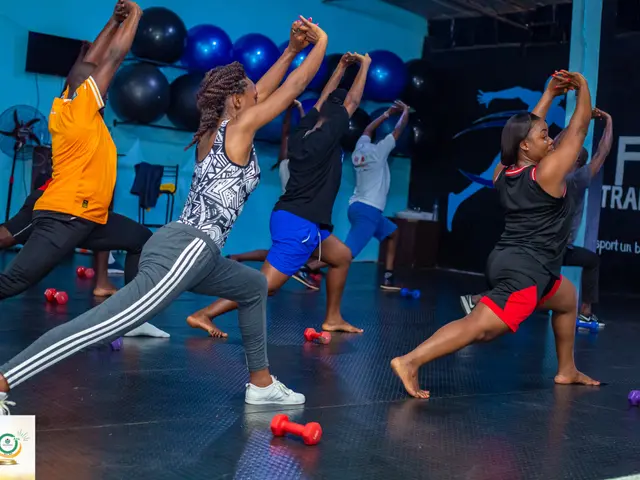
Different workouts demand tailored recovery approaches. Strength training calls for at least 48 hours of rest between sessions, paired with high-protein meals. Cardio-focused athletes should prioritise carb replenishment and hydration. Those doing high-intensity interval training (HIIT) benefit from a mix of protein and carbs, plus stress-reduction techniques like deep breathing or mobility drills.
Beyond basics, recent science has fine-tuned advice on specialised methods. Meta-analyses in The Lancet (2023) confirmed that cold therapy, such as ice baths, effectively reduces inflammation. Sauna sessions, backed by JAMA (2025), were shown to improve cardiovascular health. However, prolonged fasting—once popular for recovery—now has less support after 2024 trials found minimal muscle repair benefits. Meanwhile, wearable tech studies in Nature Medicine (2022) validated heart rate variability (HRV) tracking as a reliable way to personalise recovery timing.
Mindfulness and breath work have also gained recognition for lowering cortisol. These practices help counteract the effects of overtraining, which can disrupt sleep and delay recovery. Active recovery, like light stretching or walking, further aids circulation and reduces muscle soreness.
The overall message remains clear: recovery is not passive. It requires deliberate nutrition, rest, and stress management to rebuild muscle, restore energy, and keep inflammation in check.
The latest research solidifies long-standing recovery principles while updating guidelines on newer methods. Sleep, nutrition, and stress control form the core of effective recovery. At the same time, advances in cold therapy, sauna use, and HRV monitoring provide athletes with more precise tools.
These findings underscore a simple truth: how you recover determines how well you perform. Ignoring rest and proper care increases injury risk and limits progress. For both casual exercisers and professionals, the right recovery plan is now better defined—and more essential than ever.