NHS drug pricing deal tests pharma's future in weight loss pill race
The NHS and pharmaceutical firms remain locked in a delicate balance over drug pricing and investment. A recent deal to lower the voluntary clawback tax on branded medicines aims to keep companies from shifting expansion plans abroad. Yet tensions persist, with Novo Nordisk's UK chief warning that stability in the scheme is crucial for future rollouts—including its highly anticipated weight loss pill in 2023.
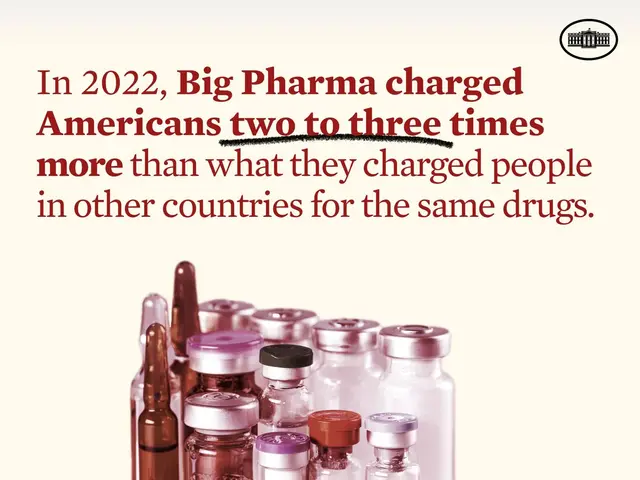
The voluntary scheme for branded medicines, known as Vpag, forces drugmakers to return a percentage of NHS revenue if sales exceed agreed limits. In 2023, the government cut this rate from 22.5% to 14.5% to prevent firms from favouring the US over the UK. Despite this, AstraZeneca scaled back UK investments, highlighting lingering friction.
Novo Nordisk plans to launch its weight loss pill in Britain next year, even as competition intensifies. Rival Eli Lilly's Mounjaro and Zepbound have eroded Novo's market share, which fell from over 70% in 2023 to around 45% by early 2026. Lilly's drugs also outperformed Novo's Wegovy in trials, showing 20-22% weight loss compared to Wegovy's 15-17%. Both firms now face supply shortages, but Lilly's growth has accelerated with US and EU approvals.
Sebnem Avsar Tuna, Novo Nordisk's UK head, stressed that predictable Vpag rates are vital for planning. Without stability, she warned, the rollout of new treatments could stall. Analysts agree the weight loss drug market is vast, with space for multiple players—but only if the NHS keeps clawback taxes low and consistent.
The NHS's clawback tax now stands at 14.5%, a reduction designed to retain pharma investment. Novo Nordisk's UK expansion hinges on this rate staying steady, ensuring its weight loss pill and other treatments reach patients without disruption. For now, the industry watches closely, as any further shifts could push more firms to prioritise markets beyond Britain.