Obesity Crisis Demands Systemic Change, Not Just Willpower, Says New Report
Obesity remains a complex health challenge shaped by social, environmental and economic factors. A 2025 scientific statement from the American Heart Association highlights that personal choice plays far less of a role than previously assumed. Instead, barriers like time constraints, stigma and limited access to healthy options make prevention and treatment difficult for many.
The statement identifies multiple obstacles preventing effective obesity management. Time pressures from work and caregiving duties often leave little room for healthy eating or exercise. Disruptions to the body’s internal clock—caused by shift work, irregular sleep or noise pollution—also raise obesity risk. Meanwhile, weight stigma discourages individuals from seeking help, reinforcing harmful attitudes.
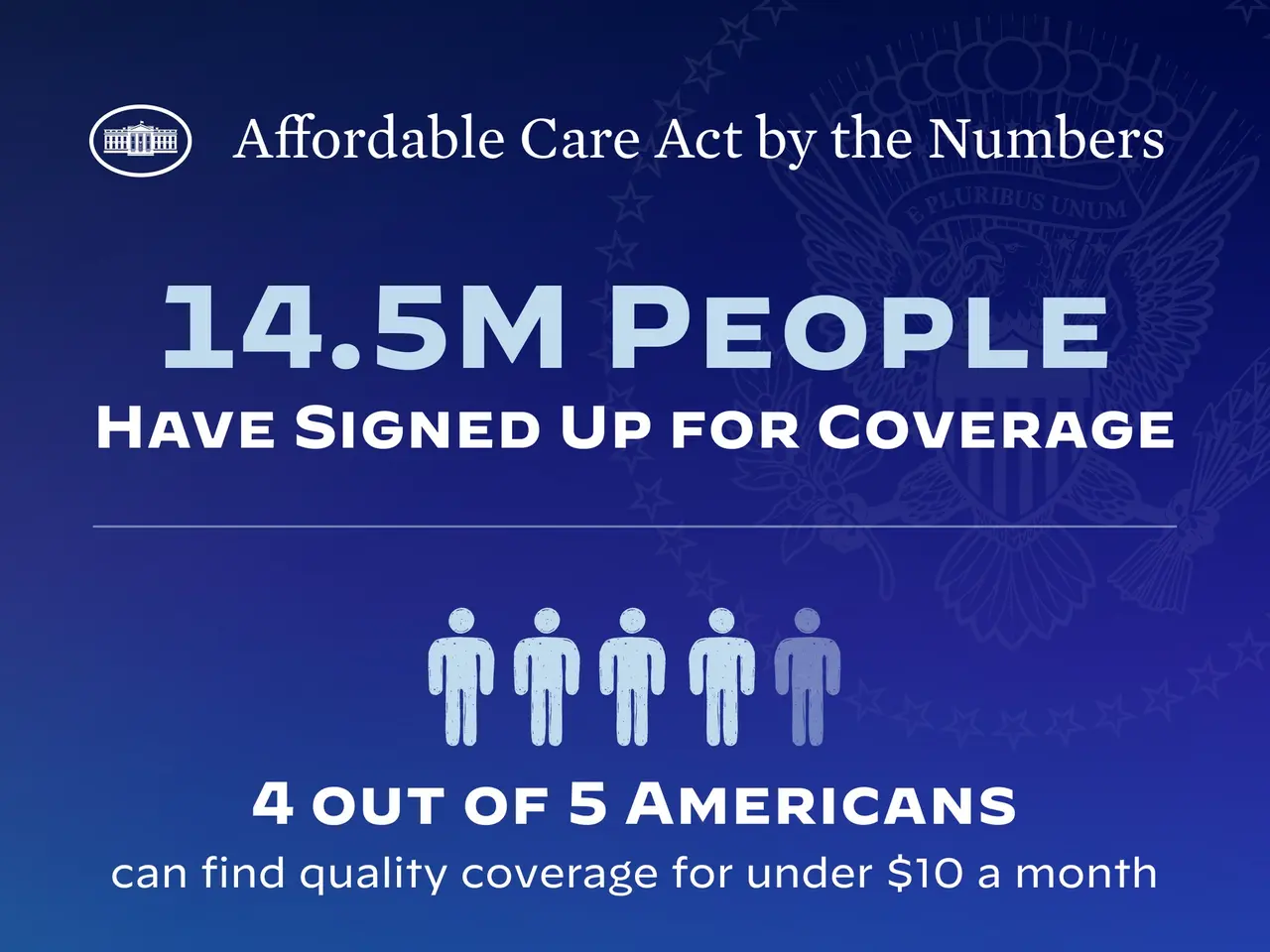
Financial strain and limited access to nutritious foods further complicate efforts. Safe neighbourhoods for physical activity and affordable healthy meals can lower obesity rates, but these are not universally available. The report also notes that BMI is an unreliable measure of body fat or overall health, making it a poor gauge for intervention success. To improve access to care, the American Heart Association recommends systemic changes. These include expanding insurance coverage for obesity medications, reducing costs through bulk purchasing and generic drug approvals, and creating nationwide programs to streamline distribution. Health professionals are encouraged to address stigma by starting sensitive conversations and connecting patients with local resources. The organisation, which receives over 85% of its funding from non-corporate sources, stresses that a coordinated effort between governments, health providers and communities is essential for meaningful progress.
The findings underline that obesity cannot be tackled through individual effort alone. Structural changes—such as better insurance coverage, cost reductions for treatments, and improved access to healthy environments—are critical. Without these measures, barriers like time shortages, financial limitations and stigma will continue to hinder progress.