OCD study reveals unique brain activity in sequential task processing
A new study has unveiled distinct brain activity patterns in individuals with obsessive-compulsive disorder (OCD). While executing sequential tasks, OCD patients exhibited amplified activation in certain brain areas compared to those without the condition. The findings hint at potential targets for more effective treatments, particularly for patients unresponsive to current therapies.
The research zeroed in on how individuals coordinate complex, multi-step behaviours—a pivotal area where OCD symptoms frequently manifest. Participants with OCD accomplished sequential cognitive tasks with the same precision as healthy individuals. However, their brains engaged additional regions to achieve the same outcome.
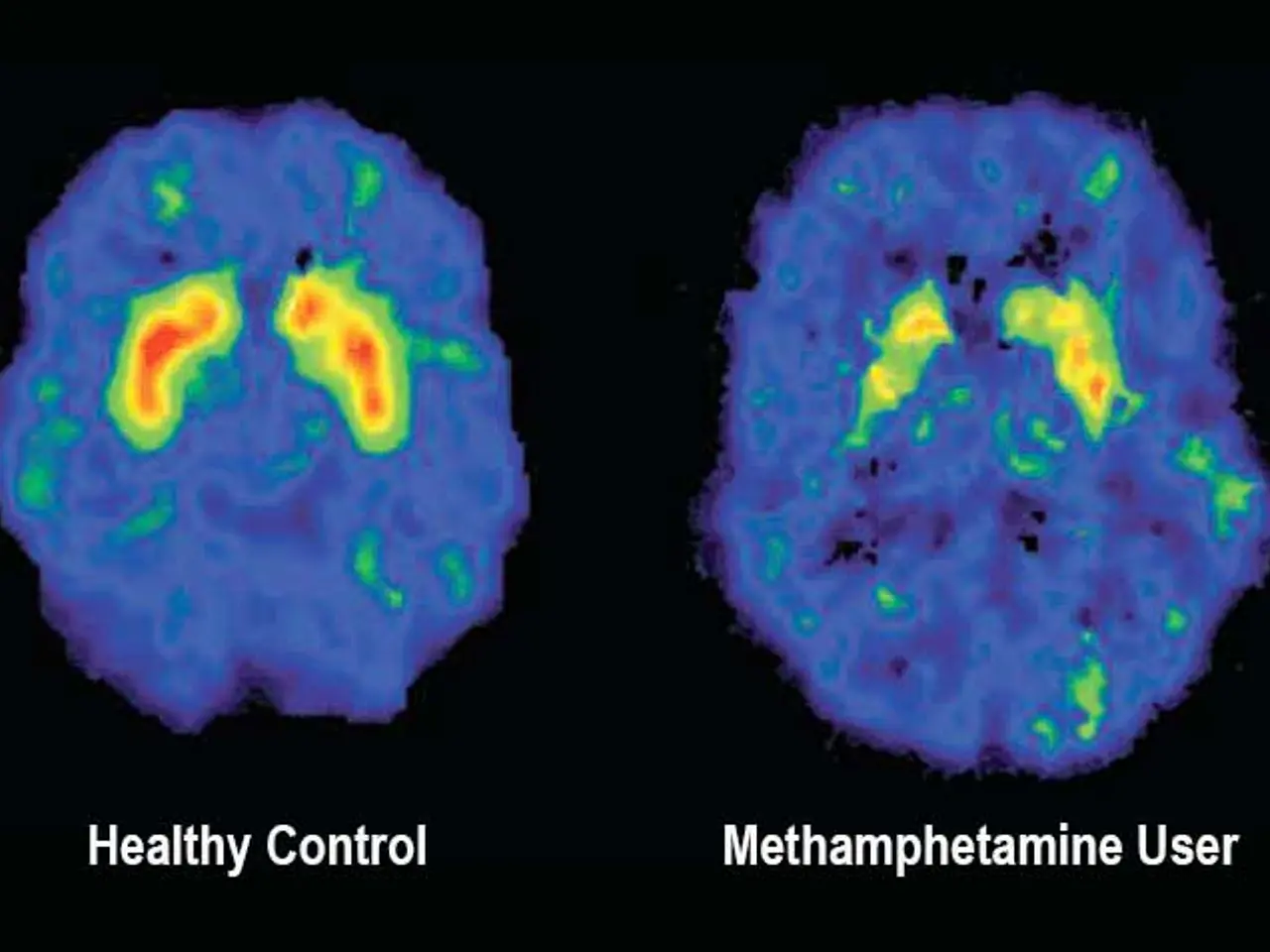
Scans exposed heightened activity in areas tied to working memory, language processing, and visual object recognition. These regions appeared more active in OCD patients during the tasks, even though their performance mirrored that of the control group. The study did not isolate specific dopamine-related areas, such as the nucleus accumbens or striatum, which are often linked to other conditions like ADHD.
The results suggest a possible explanation for why OCD patients may grapple with rigid or repetitive thought patterns. By identifying these overactive regions, researchers hope to fine-tune treatments like transcranial magnetic stimulation (TMS). This non-invasive technique could be adjusted to target the precise brain areas involved in OCD symptoms.
The study underscores a measurable difference in how OCD patients process sequential tasks at a neural level. If subsequent research corroborates these findings, TMS could be tailored to disrupt problematic brain activity in treatment-resistant cases. This may provide a novel approach for patients who have not benefited from existing therapies.