Persimmon farming booms in India as farmers ditch apples for higher profits
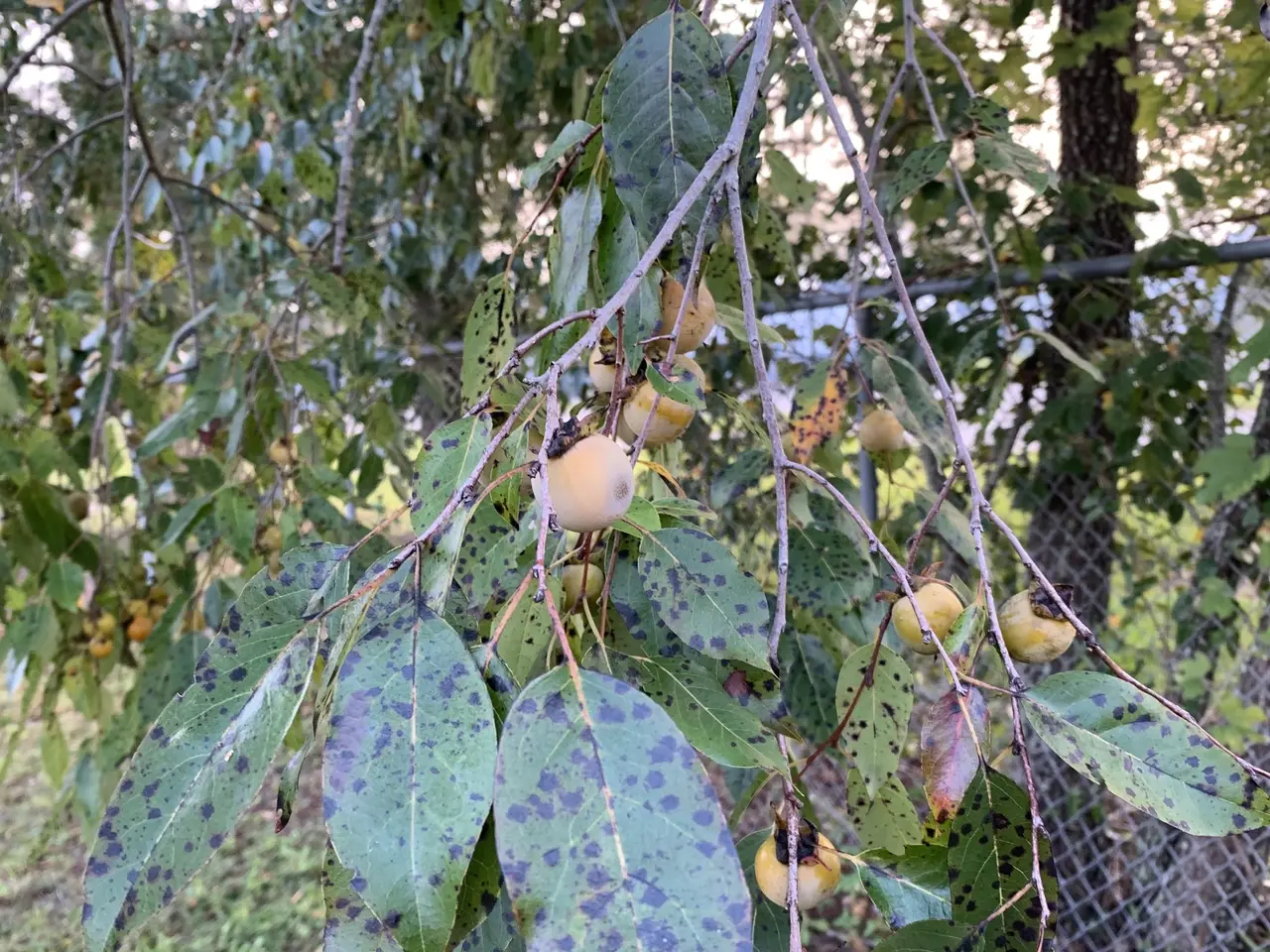
Persimmon, often called Japani phal, is gaining traction as a profitable temperate fruit in India. Once a minor crop, its cultivation has expanded rapidly, particularly in Himachal Pradesh's Kullu district. Farmers are now shifting from traditional crops like apples to persimmon due to its higher returns and lower maintenance needs. Persimmon thrives in temperate regions with mild winters and warm summers. In India, it grows best in Himachal Pradesh, Jammu and Kashmir, Uttarakhand, and parts of Tamil Nadu. The trees adapt to various soils but flourish in well-drained sandy loam enriched with organic matter. A soil pH between 6.5 and 7.5 is ideal for healthy growth.
While drought-resistant, persimmon yields improve with consistent moisture during fruiting. A mature tree produces 150 to 200 kilograms of fruit each year. The crop is rich in dietary fibre, vitamin C, and antioxidants, making it a nutritious choice. Globally, China, Japan, Brazil, and Italy lead in persimmon production, with India contributing a smaller share. However, recent years have seen a surge in Indian cultivation. In Kullu district, the area under persimmon doubled from 200 hectares in 2023 to 404 hectares in 2025. Production jumped from 1,250 metric tons in 2023–24 to a projected 1,406 metric tons in 2025. Market prices currently range between 120 and 180 rupees per kilogram, supported by government subsidies and local suppliers like Singh Farm and Nanak Fruit Company.
The expansion of persimmon farming in India reflects its growing appeal as a high-value, low-input crop. With rising production and steady demand, the fruit is becoming a key alternative to traditional orchards. Government support and local trade networks continue to drive its commercial success.