Philippines' Holy Week traditions face modern pressures and energy crisis
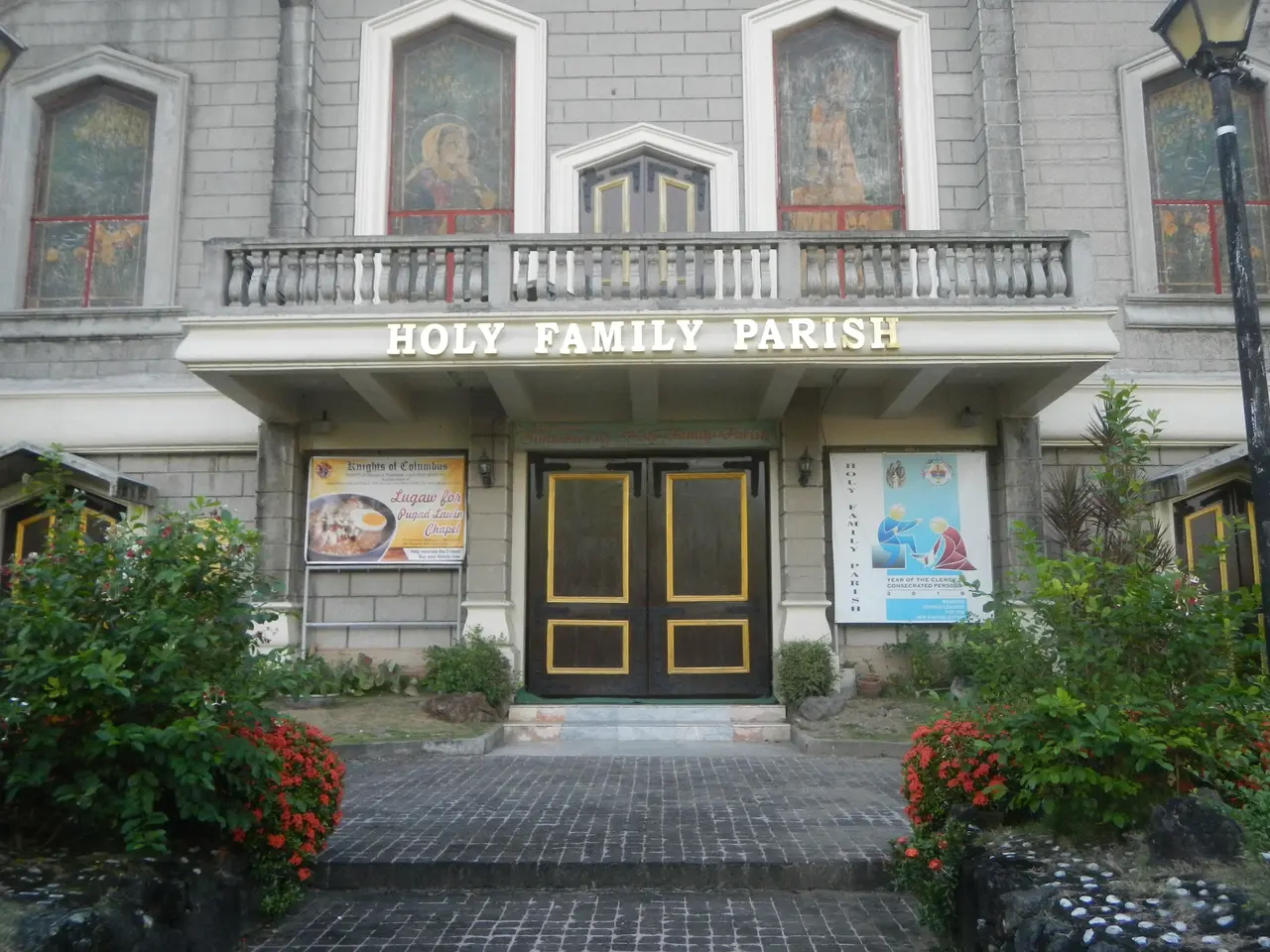
Holy Week in the Philippines is a time of deep religious devotion mixed with modern challenges. This year, traditions like processions and penitential rites face disruptions from an energy crisis and shifting public attitudes. Meanwhile, some communities still uphold extreme acts of faith despite growing controversy and government restrictions. The week begins with Palm Sunday, where palm fronds are blessed and carried in processions. By Maundy Thursday and Good Friday, many Filipinos take part in Visita Iglesia—visiting churches to pray the Stations of the Cross. Some, like the late Mira, attend despite health struggles, reflecting the period's importance for reflection and renewal.
In Pampanga, a few devotees continue the decades-old practice of self-flagellation and crucifixion as penance. Once largely unregulated, this tradition now faces declining youth participation and stricter oversight. Authorities have tried to limit or ban it since the 1980s over safety concerns, but it persists in certain areas, drawing both local devotion and international scrutiny. This year, a national energy emergency adds another layer of difficulty. Soaring fuel costs may reduce travel, affecting both pilgrimages and leisure trips. Urban churches could also experience power shortages during key services, altering how communities observe the week.
The combination of rising costs, government intervention, and changing attitudes is reshaping Holy Week traditions. While some practices endure, others may fade as modern pressures clash with age-old devotion. The week remains a pivotal moment for faith, but its future form is uncertain.