Phone Support Transforms Lives of Dementia Caregivers in Malaysia
A new study has shown that telephone-based support can greatly improve the lives of family caregivers for people with dementia. Researchers in Malaysia tested the approach with 120 participants, finding it reduced stress and increased overall wellbeing. The method proved both practical and culturally adapted, offering a scalable solution for overburdened caregivers.
The study, led by Nasreen, H.E., Ahmad, S.A., and Tyrrell, M., focused on Malaysia, where dementia places heavy demands on families. Many caregivers—predominantly women aged 40–59, ethnic Malays, and those with lower education—face limited access to traditional support services.
The intervention used scheduled phone calls to provide counselling, emotional support, and guidance on managing dementia. Trained professionals delivered the sessions, tailoring advice to cultural norms and individual needs. This flexibility allowed caregivers to receive help without travel or rigid appointment times.
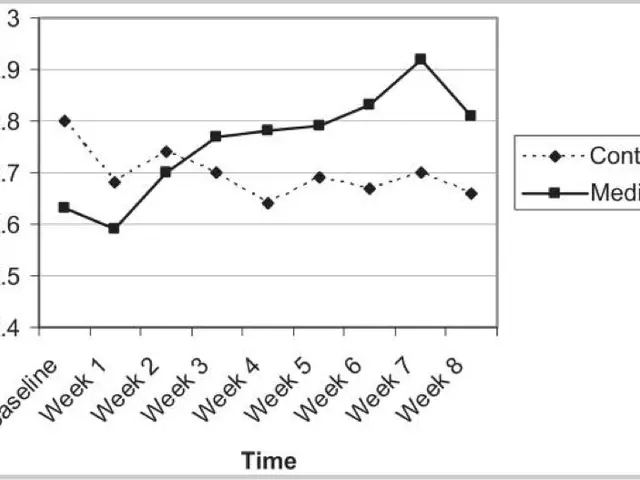
Feedback highlighted clear benefits. Participants reported feeling less isolated and better equipped to handle caregiving challenges. Quantitative results confirmed these improvements, showing clinically significant reductions in burden and enhanced quality of life.
The findings suggest telephone-based interventions are a viable, low-cost way to support dementia caregivers. Unlike in-person services, they fit easily into existing healthcare systems and reach those most in need. Researchers argue such approaches should become a standard part of dementia care strategies.