Pompeii’s Enslaved Ate Better Than Many Free People in Ancient Rome
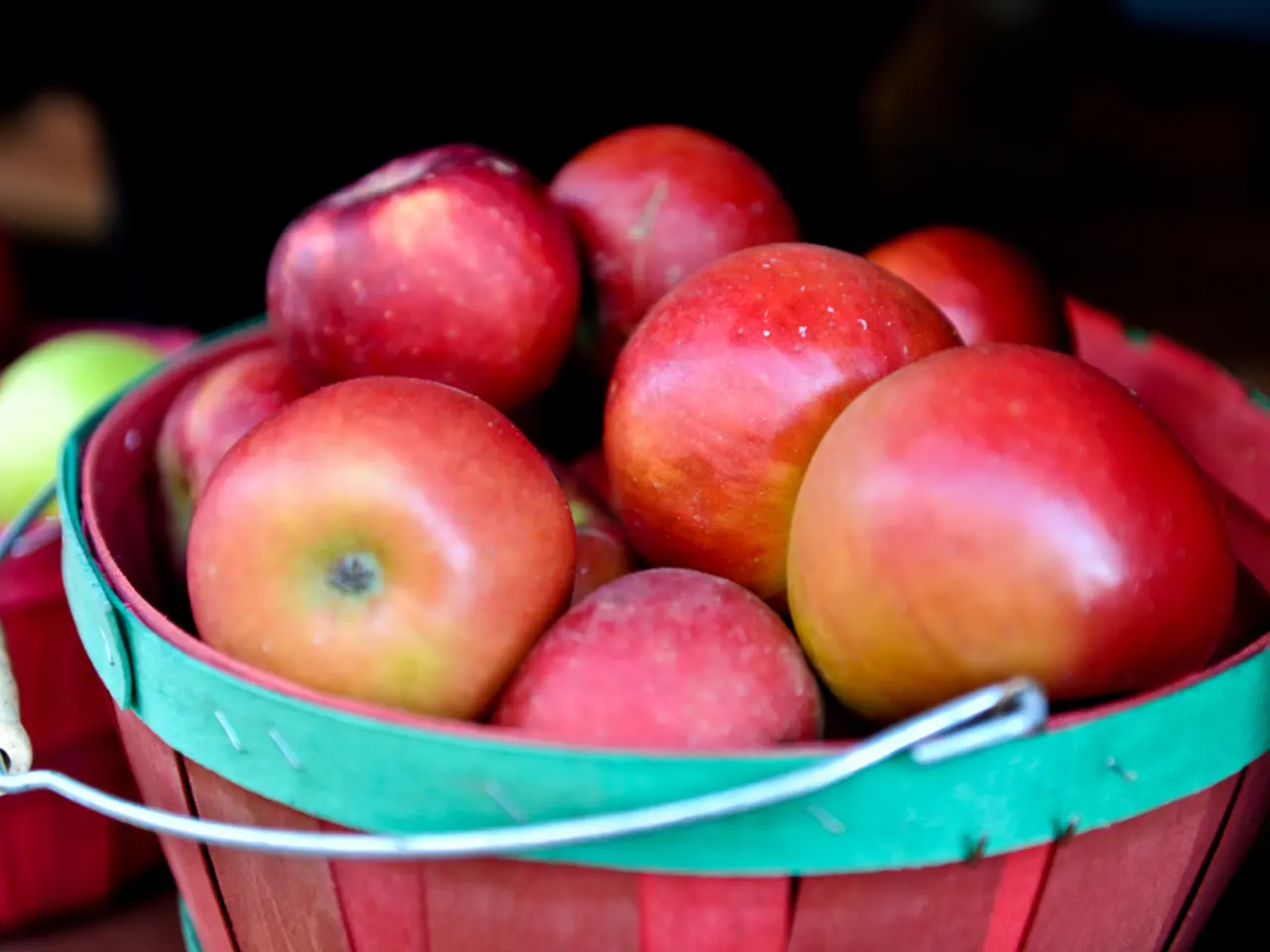
New archaeological findings near Pompeii have uncovered details about the daily lives of enslaved people in ancient Rome. The remains reveal a surprisingly varied diet, including fava beans, pears, and apples—foods that provided essential nutrients often lacking in the diets of free people at the time.
The discoveries also shed light on their harsh living conditions, with cramped cells and tightly controlled rations.
Excavations at the site exposed a storage system designed to keep food safe from rodents. Supplies like grain and fruit were stored on an upper floor, while the enslaved people lived in confined spaces below, often sharing cells with up to three beds. The remains of amphorae filled with fava beans and baskets of pears or apples suggest a diet richer in proteins and vitamins than many free people enjoyed.
Feeding the roughly 50 enslaved people required significant resources. Estimates show they consumed about 18.5 metric tons of grain annually, which would have needed around 25 hectares of farmland to produce. Despite their oppressive circumstances, their meals were more balanced than those of some free people.
The director of the Pompeii Archaeological Park highlighted the stark inequalities of the era. He noted how easily the boundary between enslaved and free people could blur, calling the system fundamentally unjust.
The findings provide a clearer picture of how enslaved people in Pompeii were sustained—and controlled. Their diet, though varied, came at the cost of strict rationing and cramped living quarters. The research also underscores the vast agricultural effort needed to maintain such a system, offering new insights into the logistics of slavery in ancient Rome.