PRP Therapy Offers New Hope for Chronic Joint and Tendon Pain
Platelet-rich plasma (PRP) therapy is gaining attention as a treatment for joint and tendon pain. Doctors like Dr. Maja Grahovac now offer this option at clinics such as IhreHaut in Kaufbeuren and Landsberg am Lech, Germany. The approach uses the body’s own healing cells to ease pain and support repair in damaged areas.
PRP therapy starts with a blood draw from the patient. The blood is then processed to concentrate platelets in the plasma, which is injected back into the painful joint or tendon. This method aims to speed up healing and reduce discomfort.
Before recommending PRP, doctors assess the cause of pain through a detailed exam. They look at what triggers the pain, what relieves it, and how it affects daily life. Factors like sleep, stress, past injuries, and work demands are also considered. Not everyone is a candidate for PRP. Doctors review bleeding risks, infection risks, and any past reactions to treatments. They also check current medications and supplements to ensure safety. The therapy is typically considered when pain persists despite rest, physical therapy, or changes in activity. Some patients choose it to delay surgery or avoid long-term medication. A good PRP plan includes clear activity restrictions before and after the injection. Patients follow a rehab programme and track progress based on function, not just pain levels. Recovery involves protecting the area at first, then gradually increasing movement under supervision.
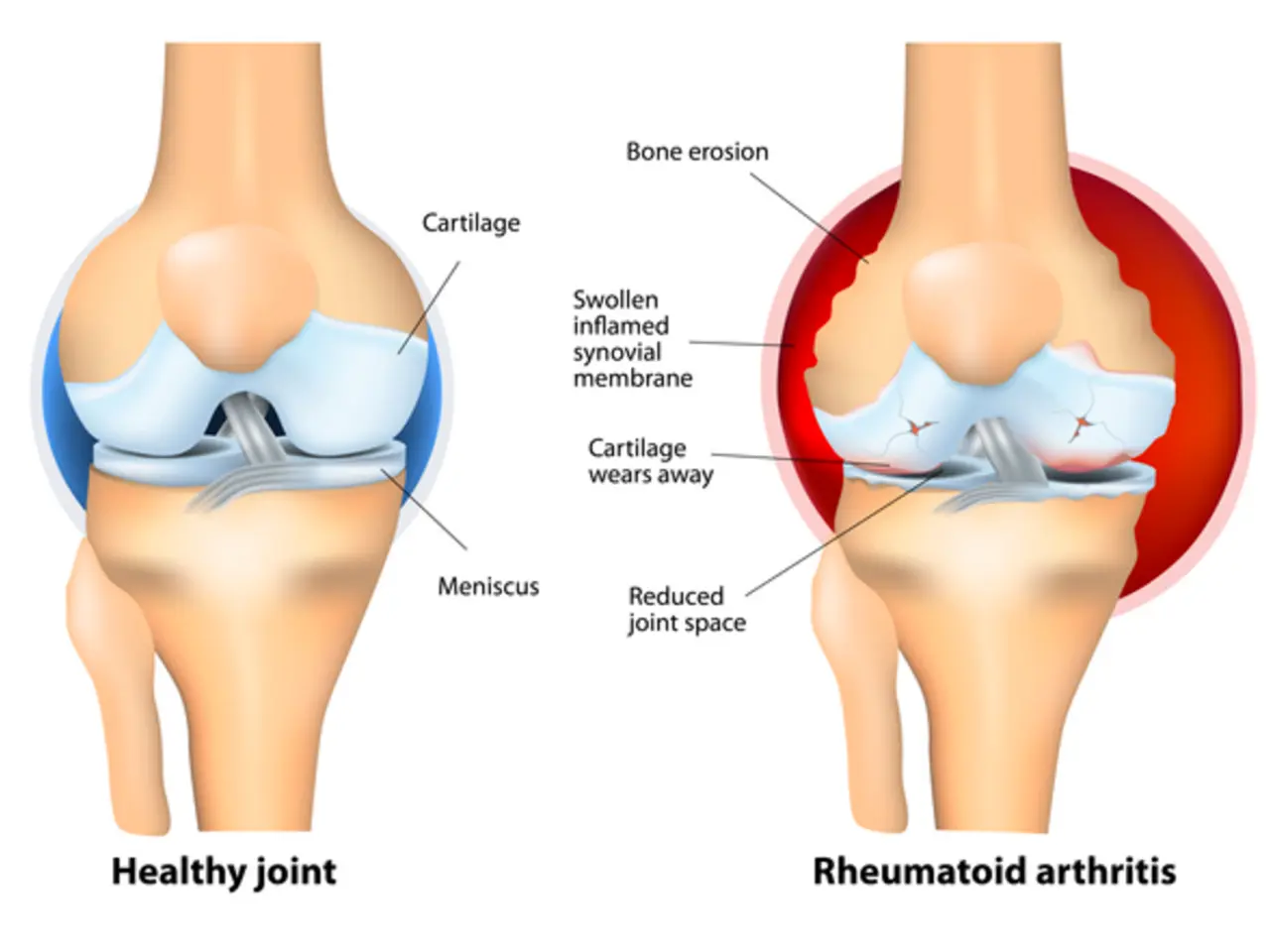
PRP therapy offers an alternative for those struggling with joint or tendon pain from conditions like arthritis, old injuries, or repetitive strain. Success depends on careful patient selection, a structured rehab plan, and ongoing monitoring. The goal is to improve movement and reduce pain in daily tasks that matter most to the patient.