PTSD Symptoms Revealed as Survival Instincts, Not Hostility
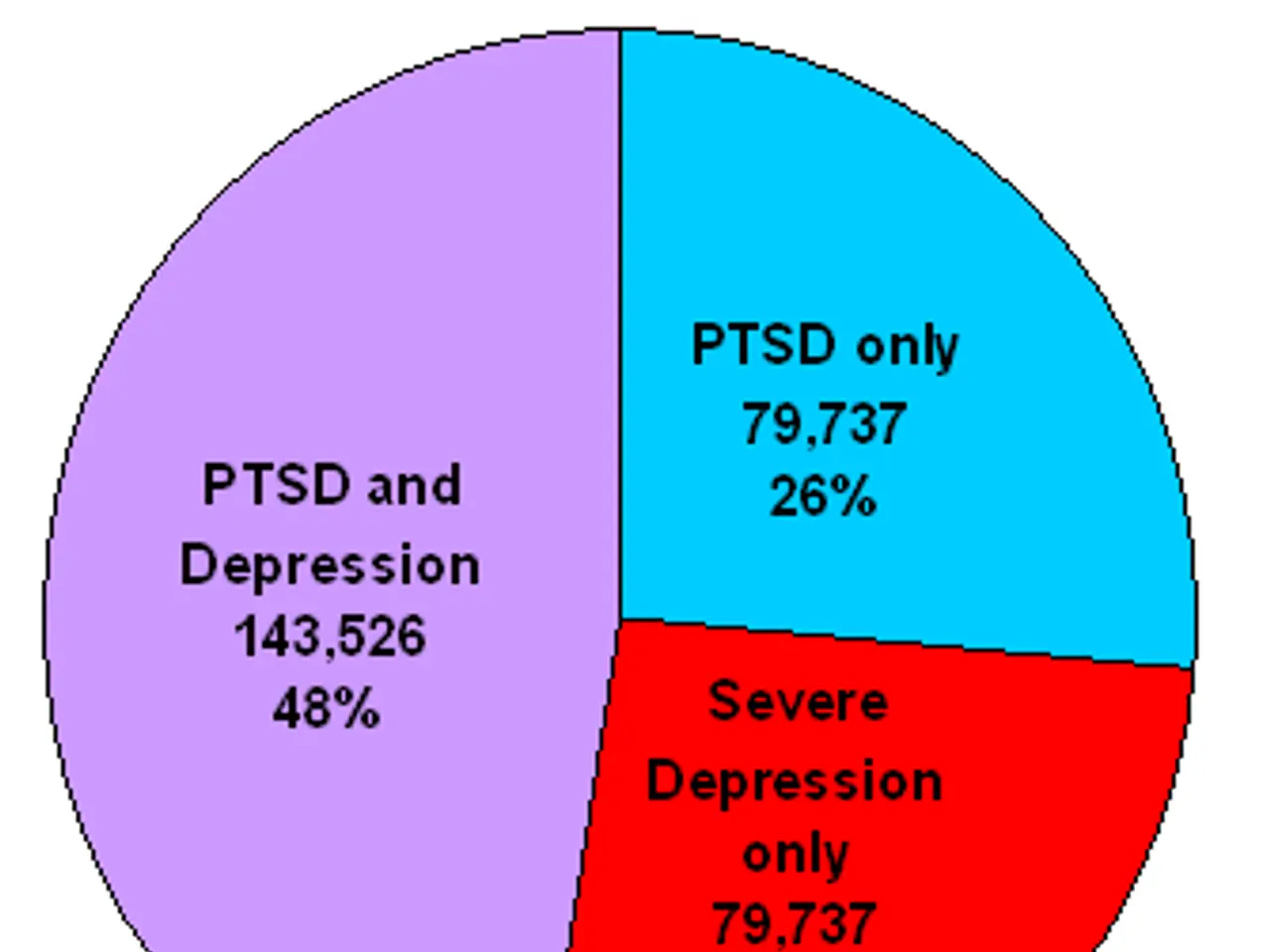
Post-traumatic stress disorder (PTSD) affects millions worldwide, with stark differences in how it appears across cultures. In Germany, over 1.5 million people currently live with the condition. New insights suggest some symptoms—like irritability or emotional detachment—may stem from survival instincts rather than hostility.
Studies indicate that 6–8% of U.S. adults experience PTSD at some point in their lives. The rate is notably higher for women, who develop the disorder at roughly twice the frequency of men.
In Germany, factors like rising intimate partner violence, workplace accidents, and military deployments may contribute to the prevalence. Cultural stigma, healthcare access, and diagnostic practices also play a role, though direct comparisons with the U.S. remain unclear due to limited data.
For those in chaotic households, PTSD can manifest as heightened irritability, a need for control, or emotional withdrawal. Researchers now argue that these behaviors may reflect survival mechanisms rather than deliberate aggression.
The condition impacts individuals differently, with environmental and cultural factors shaping its reach. In Germany, over 1.5 million cases highlight the need for tailored support. Understanding symptoms as survival responses could improve treatment approaches for those affected.