Pumpkin Seeds Deliver Powerful Health Benefits—But There’s a Catch
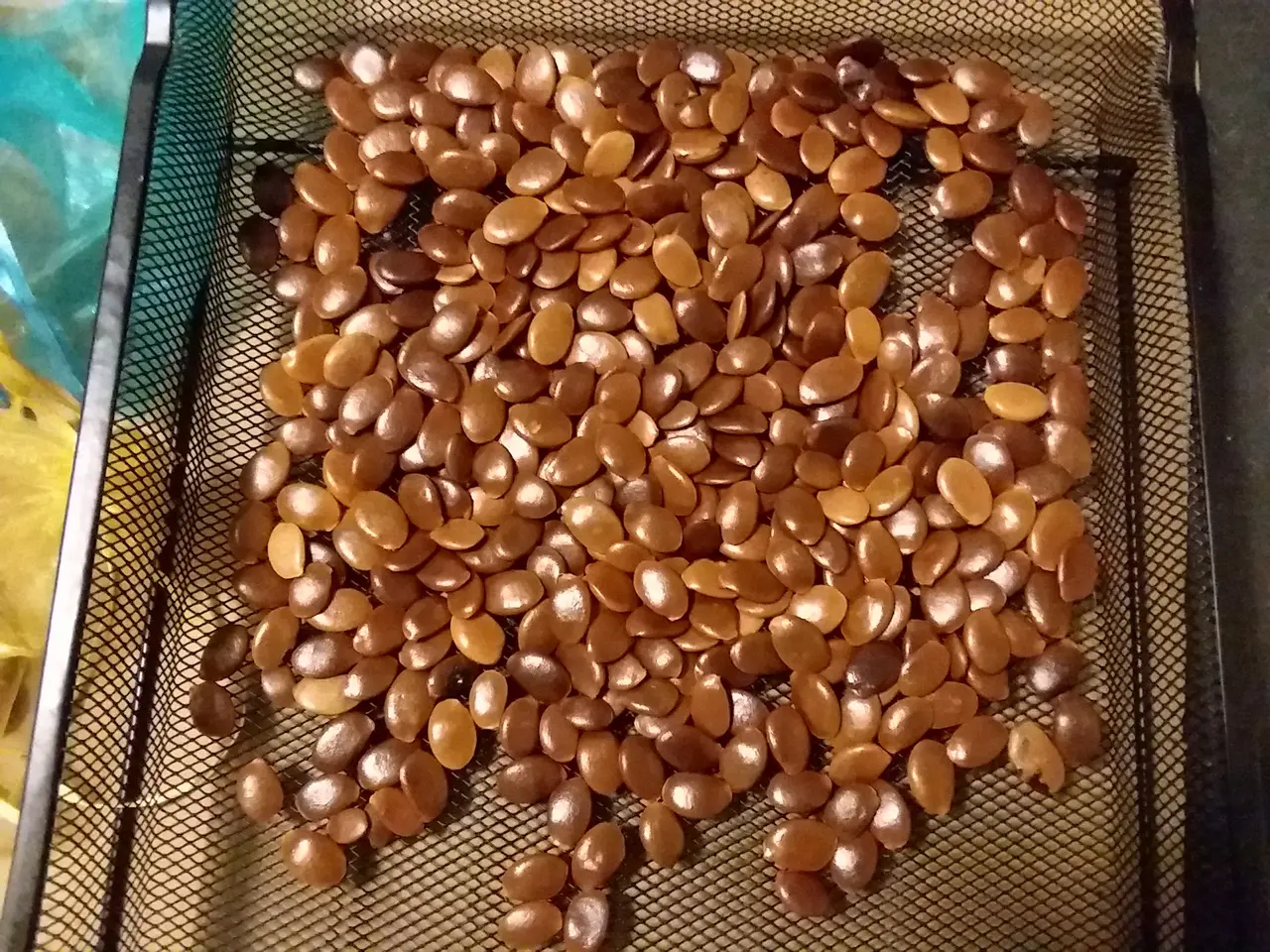
Pumpkin seeds are packed with nutrients that offer a range of health benefits. Often eaten as a snack, they contain high-quality protein, healthy fats, and essential minerals. But consuming too many at once, especially with shells, can lead to digestive discomfort.
These small seeds provide plant-based protein similar in quality to soy. They also contain all the essential amino acids needed by the body. Rich in magnesium, zinc, and fatty acids, they may help lower the risk of high blood pressure, heart disease, and elevated blood sugar.
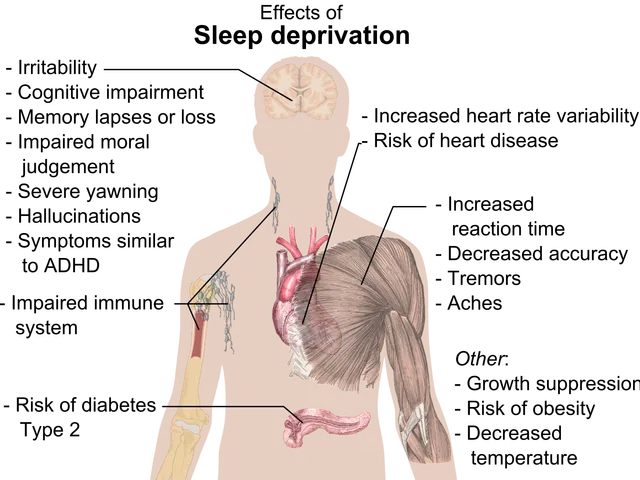
Pumpkin seeds are a good source of antioxidants, which increase when roasted. They also contain tryptophan, an amino acid that supports sleep, along with magnesium and zinc. Diets including pumpkin seeds may even have antidiabetic and anticancer effects due to their lignan content. For those with an overactive bladder or prostate issues, pumpkin seed oil combined with saw palmetto oil could offer relief. Seeds with shells provide extra fibre but may be high in sodium. Shell-free versions still deliver heart-healthy fats and protein, though with less fibre.
Pumpkin seeds can be eaten raw or roasted, making them a versatile addition to meals. Their nutrients support heart health, sleep, and blood sugar control. However, moderation is key, particularly when consuming seeds with shells to avoid stomach upset.