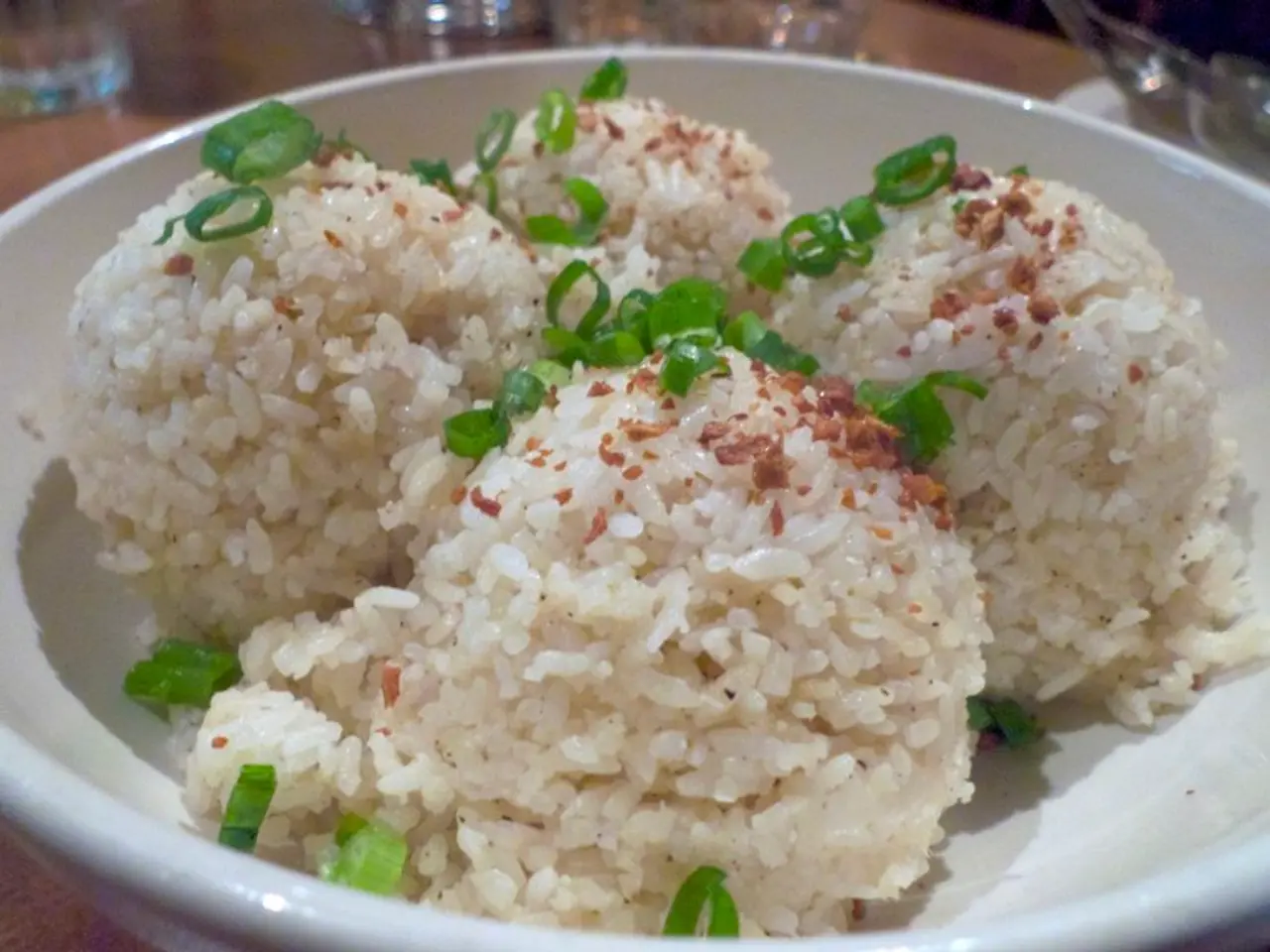
Quinoa vs. rice: Which staple offers better nutrition for your diet?
Quinoa and rice are both staple foods, but they offer different nutritional benefits. While rice remains a popular choice for quick energy, quinoa is gaining attention for its higher protein, fibre, and micronutrient content. Experts suggest each has its place in a balanced diet, depending on dietary needs and meal preferences.
Quinoa is technically a seed from the amaranth family, not a grain. It contains around 14% protein and provides essential minerals like copper, iron, zinc, and folate. Its high fibre and protein levels help stabilise blood sugar and keep hunger at bay for longer.
Rice, on the other hand, is a cereal grain and a reliable source of fast-acting carbohydrates. It also supplies micronutrients such as manganese, selenium, and niacin. Brown rice, in particular, offers more fibre and nutrients than white rice, making it the healthier option between the two varieties.
Quinoa can replace rice in most dishes, though rice still works best in recipes needing starch, like risotto or crispy rice. For extra flavour, quinoa can be cooked in broth and finished with lemon juice and fresh herbs. Some cooks even blend the two for a meal that balances texture and nutrition.
Miranda Galati, a registered dietitian and owner of Real Life Nutritionist Inc., recommends quinoa for its nutrient density. However, she notes that personal taste and dietary habits should guide the final choice between the two.
Quinoa’s higher protein and fibre make it a strong option for blood sugar control and long-lasting energy. Rice, especially brown rice, remains a useful source of quick fuel and essential minerals. Combining both can provide a mix of benefits, depending on the dish and nutritional goals.