Ramadan 2026: How to Stay Energized With Smart Food Choices
Ramadan, the sacred month in the Islamic calendar, is set to begin on February 18, 2026. During this time, believers fast from dawn to sunset, abstaining from food and drink for extended hours. Health experts are now advising on how to maintain energy and well-being through mindful eating and hydration.
Fasting starts before dawn with suhoor, where slow-digesting foods are recommended. Whole grains, oats, and legumes help sustain energy throughout the day. At sunset, the fast is traditionally broken with dates and water, which stabilise blood sugar levels.
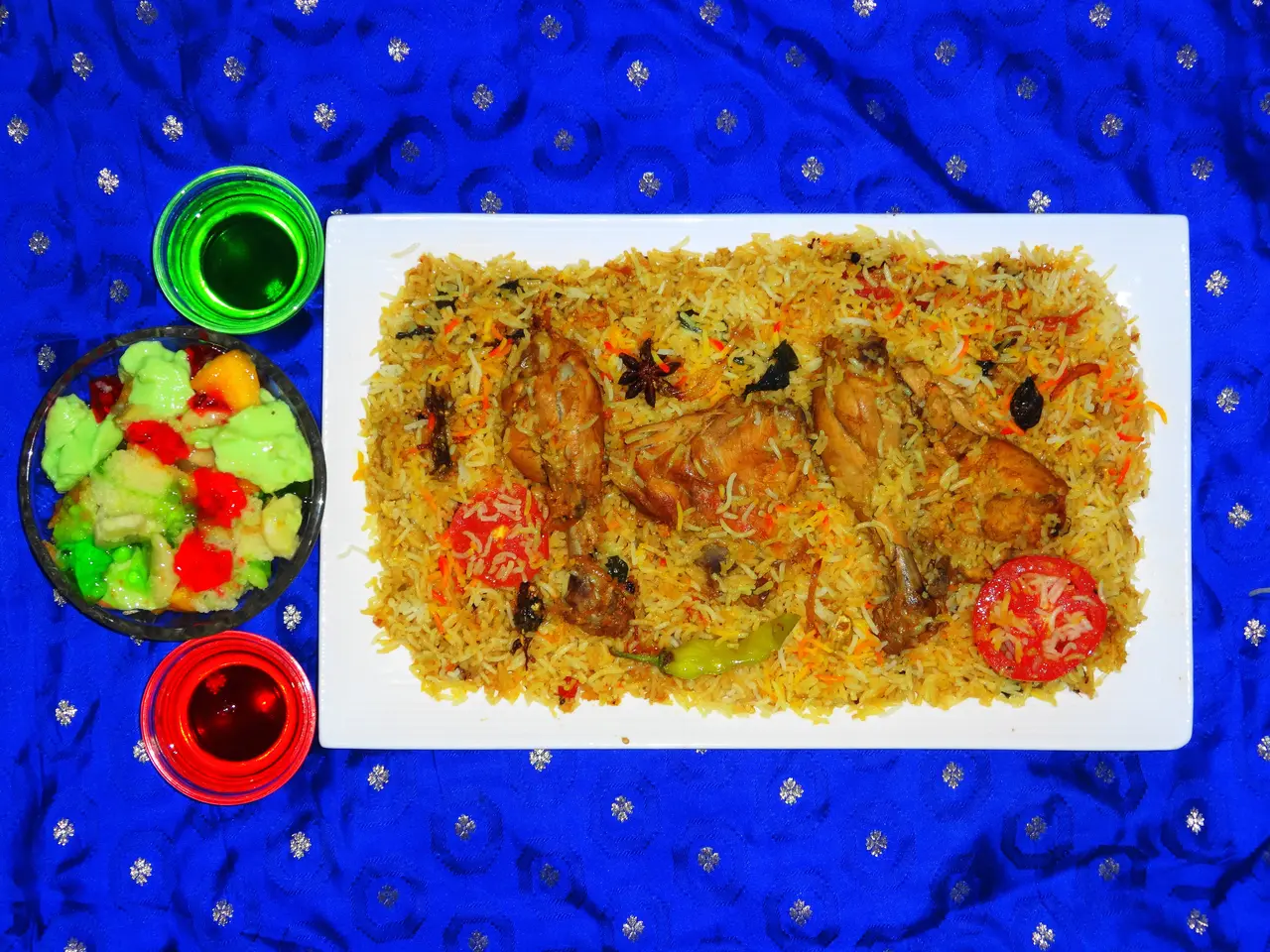
The main meal after iftar should include lean proteins, vegetables, and complex carbohydrates. Fried and sugary foods are discouraged, as they can strain the body and lead to fatigue. Hydration is also key, with a recommended intake of 1.5 to 2.5 litres of water between sunset and sunrise.
While Ramadan fasting shares similarities with intermittent fasting, studies show no superior weight loss benefits compared to traditional calorie-restricted diets. Medical professionals warn that those with chronic illnesses, particularly diabetes, should only fast under physician supervision to avoid complications.
Ramadan requires careful meal planning to support health and energy levels. A balanced diet, proper hydration, and medical guidance for at-risk individuals remain essential. The focus stays on maintaining well-being while observing the fast.