Russia drafts first clinical guidelines to combat rising gambling addiction
Russia is set to introduce its first clinical guidelines for treating gambling addiction. The move comes as concerns grow over rising addiction rates, particularly among teenagers. Experts warn that between 1% and 7% of the population may already be affected by the disorder. The Serbsky National Medical Research Center for Psychiatry and Narcology is leading the effort. Working alongside the Russian Society of Psychiatrists, they aim to finalise draft recommendations by late 2026. Full approval of the guidelines is expected in 2027.
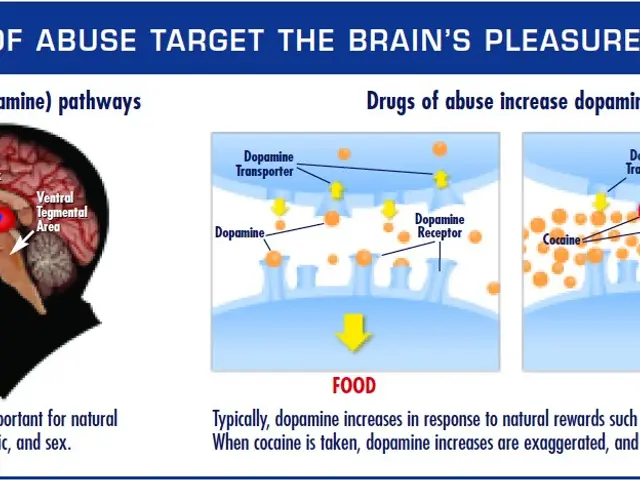
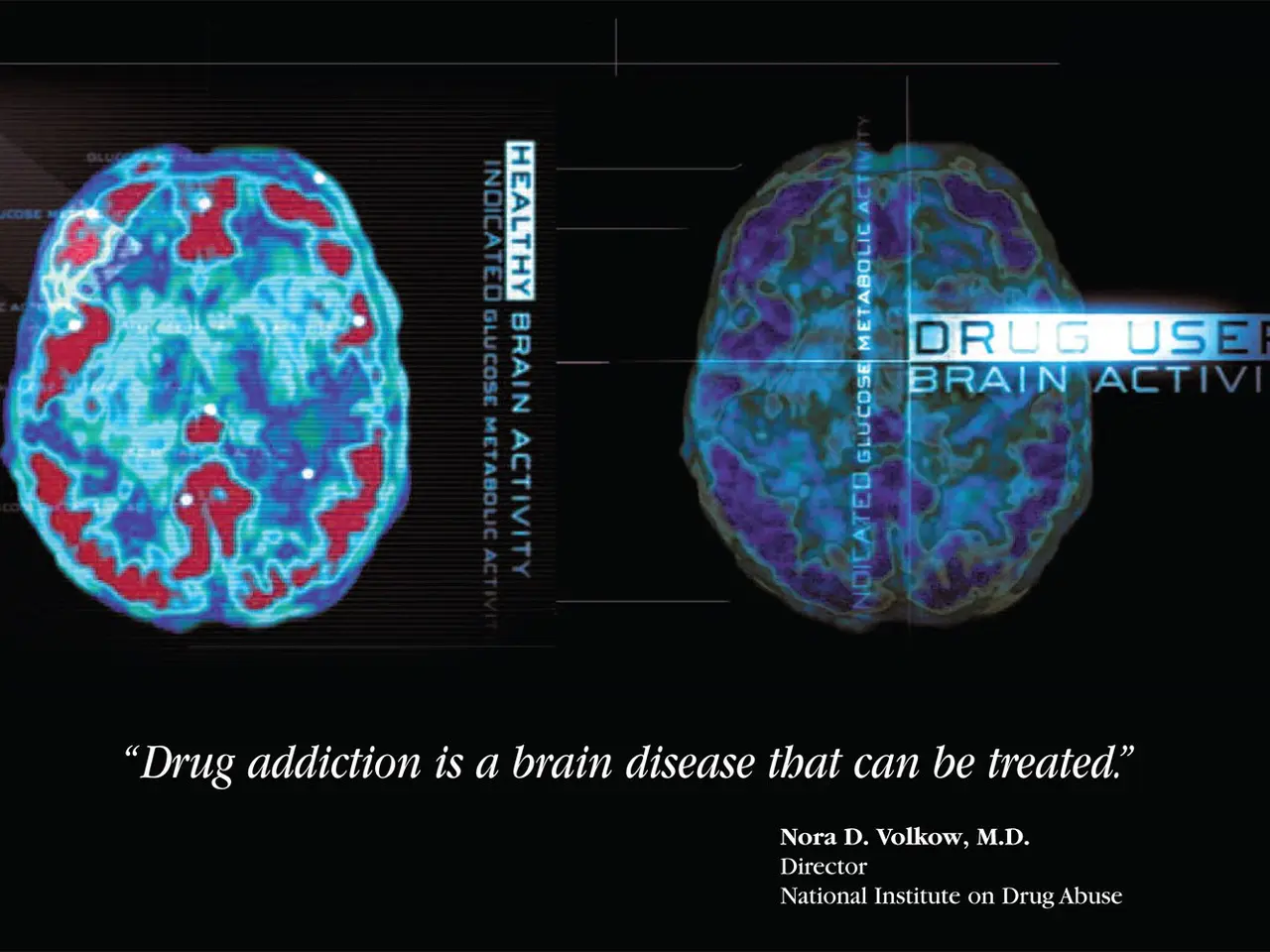
Gambling addiction often develops slowly, altering how the brain processes dopamine. Over time, this can lead to compulsive behaviour. Factors like easy access to online betting, financial stress, and economic instability have worsened the problem. From 1 September 2026, Russians will have the option to self-ban from gambling. Those seeking to restrict their access can apply directly to the Unified Gambling Regulator. The measure targets individuals struggling to control their betting habits. Studies suggest that teenage addiction rates are particularly alarming. Among adolescents, gambling disorder may affect between 10% and 15%. This has prompted calls for stricter regulations and better support systems.
The new guidelines will provide healthcare professionals with standardised treatment methods. They will also help raise awareness of the risks linked to excessive gambling. With self-exclusion measures coming into force next year, authorities hope to curb addiction rates across the country.