Russian breakthrough unlocks purer, high-yield fucoidan extraction from algae
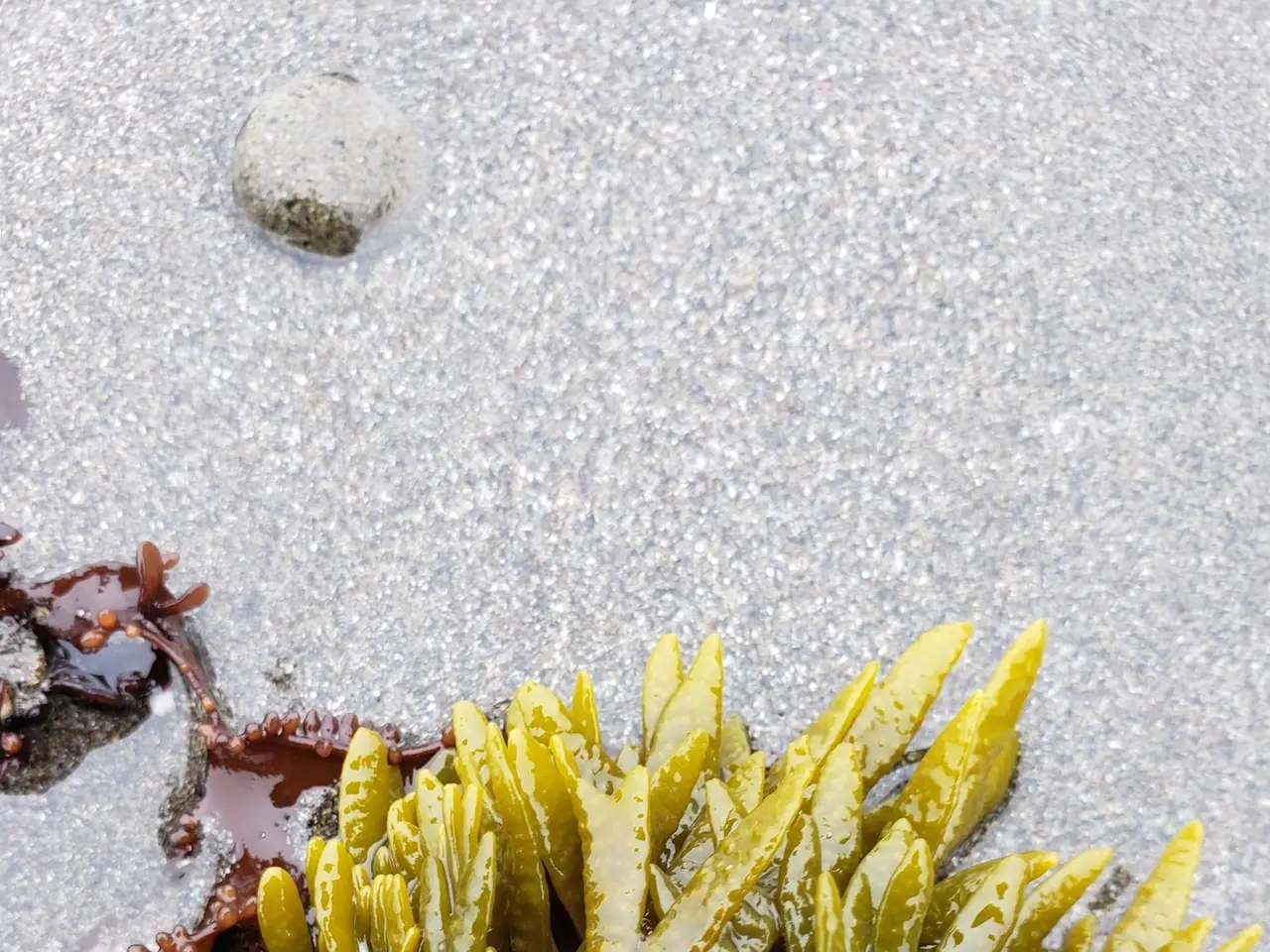
Scientists in Russia have developed a more efficient way to extract fucoidan from brown algae. The new method boosts yield while keeping the compound pure and biologically active. Fucoidan, a complex polysaccharide, is known for its antioxidant, antimicrobial, and immune-supporting properties.
Two other organisations are also exploring its uses. Griffith University in Australia is working with biotech firm Marinova on fucoidan's potential to prevent norovirus infections through dietary supplements. Meanwhile, researchers at Immanuel Kant Baltic Federal University (IKBFU) in Russia are examining its broader health benefits. The study was led by a team from IKBFU, Kemerovo State University, and Kaliningrad State Technical University. Their work focused on refining the extraction process using a calcium chloride-based solution. This approach produces fucoidan in a stable powder form, ready for further applications.
The Ministry of Science and Higher Education of the Russian Federation reported the breakthrough. According to the findings, the improved method delivers a higher yield of fucoidan without compromising its quality. Experts believe this could make the compound more accessible for use in pharmaceuticals, dietary supplements, and skincare products.
Beyond Russia, fucoidan research is gaining global attention. Griffith University and Marinova are investigating its ability to block norovirus infections, potentially offering a new line of defence through supplements. The compound's versatility suggests it could also become a functional ingredient in next-generation food products. The refined extraction technique opens new possibilities for fucoidan's commercial and medical applications. With ongoing research in Australia and Russia, the compound's role in health and nutrition may soon expand. The findings also highlight its potential as a key ingredient in future pharmaceuticals, supplements, and skincare formulations.