Russia's 'sleep tourism' boom offers stressed travelers a digital detox escape
Demand for 'sleep tourism' has risen sharply across Russia in recent years. Travellers are now seeking getaways focused on rest, digital detox, and escaping daily stress. Resorts and eco-retreats are adapting to meet this growing interest.
One of the leading destinations, Rosa Khutor resort, reported a 30% jump in bookings for sleep-focused programmes. These offerings include circadian rhythm resets, relaxation therapies, and strict digital detox rules. High-earning professionals—such as overworked executives and entrepreneurs—make up the bulk of clients.
Short midweek breaks of one or two days are becoming more popular. Many visitors also request 'phone-free zones' to disconnect fully. Meanwhile, remote locations with no mobile signal are gaining traction, particularly among those wanting complete isolation. In Altai, Alean recorded a 37% rise in reservations for secluded eco-hotels and glamping sites. Southern Russia and the Moscow region remain top choices as well. The trend reflects a broader shift toward holistic recovery, with travellers prioritising sleep quality over traditional leisure activities.
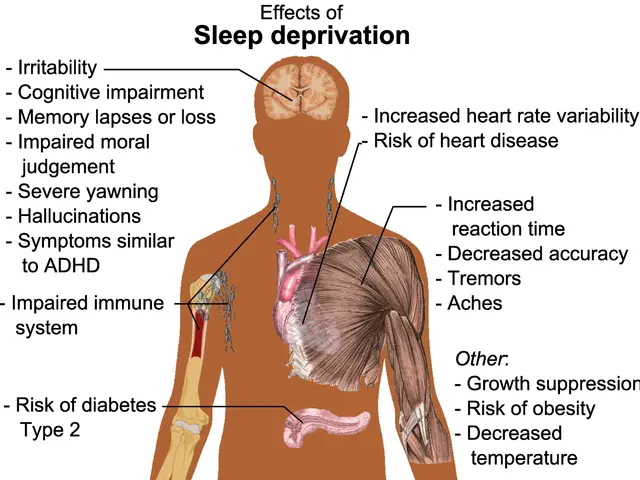
Industry experts expect sleep-centric travel to keep expanding as chronic sleep deprivation remains a widespread issue. More resorts are likely to introduce specialised programmes and off-grid retreats. The shift signals a lasting change in how people approach rest and recovery during travel.