Scientists Uncover How Stress Rewires the Brain to Fuel Addiction
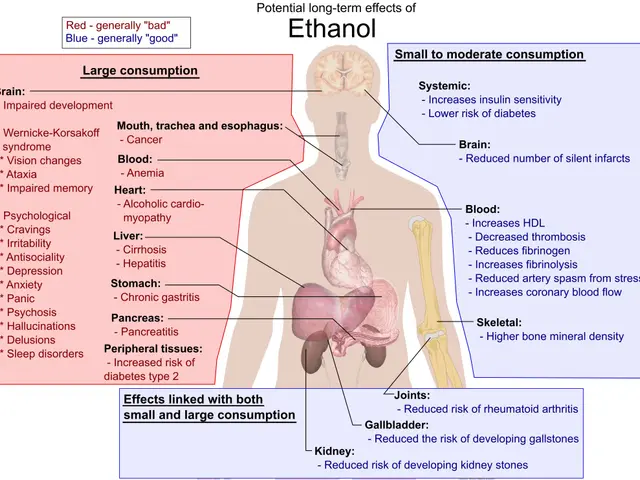
A new study from Texas A&M University has uncovered a key brain mechanism linking stress to addiction. The research, led by Dr. Jun Wang and published in eLife, reveals how alcohol disrupts neural pathways that control adaptive responses to stress. These findings could pave the way for new treatments targeting addiction and stress-related relapse.
The study highlights a direct connection between stress centres in the brain and regions responsible for decision-making and habit formation. When this system is impaired, it increases the risk of compulsive behaviours, particularly during early withdrawal from alcohol.
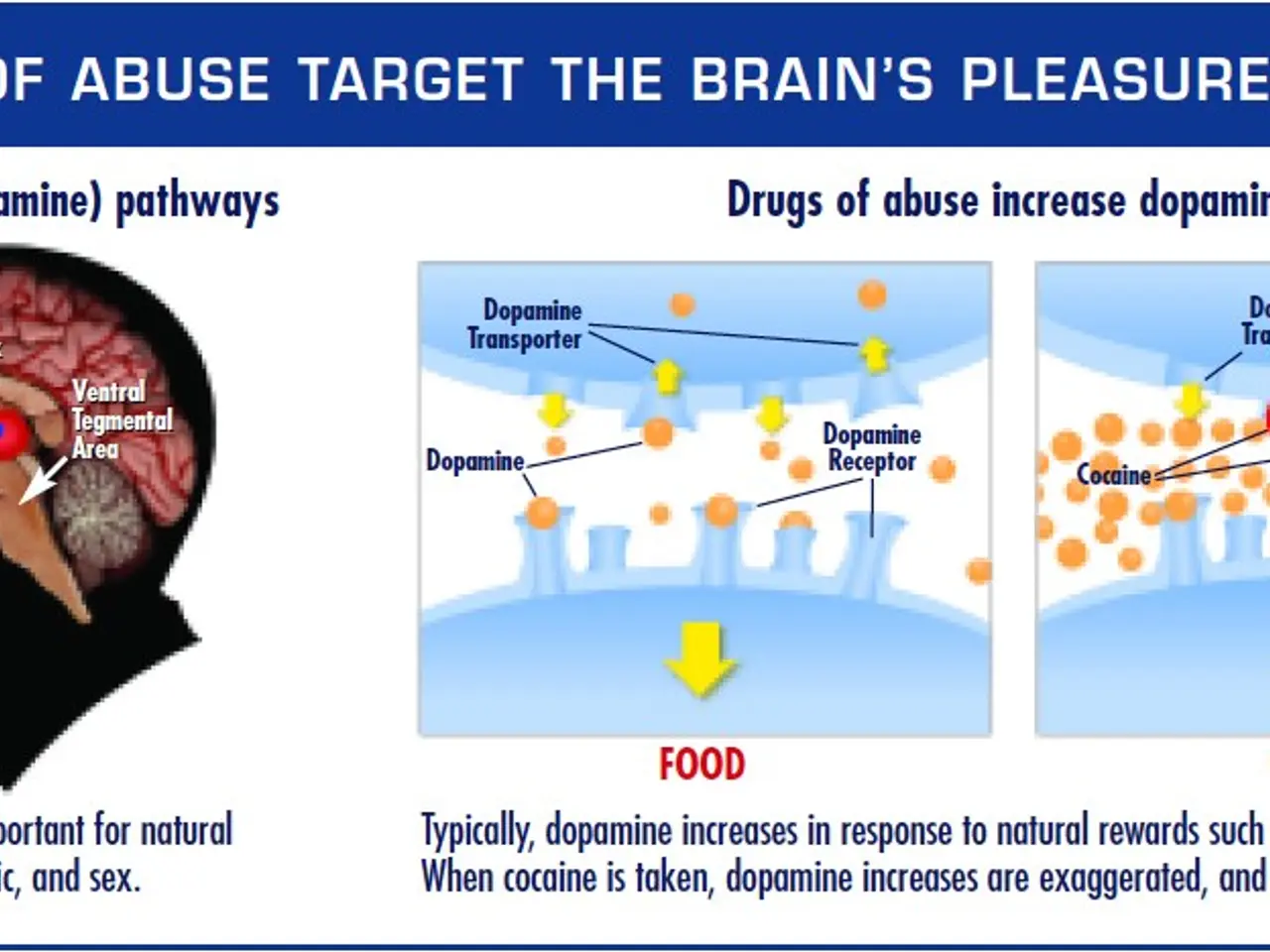
At the heart of the discovery is corticotropin-releasing factor (CRF), the brain's primary chemical distress signal. Researchers found that CRF activates cholinergic interneurons (CINs) in the dorsal striatum—a region critical for behavioural flexibility and adaptive decision-making. Normally, this activation helps the brain adjust to stress, promoting cognitive resilience.
However, alcohol exposure during early withdrawal weakens CRF's effect on CINs. This disruption impairs the brain's ability to respond adaptively, making individuals more vulnerable to compulsive actions and addiction cycles. The study identified a direct neural pathway from the central amygdala (CeA) and bed nucleus of the stria terminalis (BNST)—both key stress centres—to the dorsal striatum, where habits and actions are controlled. Beyond this neural mapping, the research suggests potential therapeutic strategies. Protecting the CeA/BNST-to-striatum pathway from alcohol-induced damage could become a focus for drug development. The findings also support non-pharmacological approaches, such as Kundalini Yoga, which Swedish and Indian studies have shown to reduce stress markers like cortisol, blood pressure, and heart rate. In India, pilot studies further demonstrated its benefits in addressing addiction-related psychological factors. Meanwhile, repetitive transcranial magnetic stimulation (rTMS) is being explored as a maintenance therapy for treatment-resistant depression. Brain imaging is helping scientists understand how rTMS might restore adaptive stress responses, offering another avenue for intervention.
The study's insights into the CRF-CIN pathway provide a clearer picture of how stress fuels addiction. By targeting this mechanism, researchers hope to develop drugs that restore adaptive stress responses and lower relapse risks. The findings also reinforce the potential of therapies like Kundalini Yoga and rTMS in managing stress and addiction-related behaviours.