Severe sleep apnea raises risks of heart disease and deadly crashes
Sleep apnea is a serious disorder where breathing repeatedly stops and starts during sleep. In severe cases, these interruptions can happen more than 30 times an hour. The condition poses major health risks if left untreated, including heart disease and stroke.
There are two main types of sleep apnea: obstructive (OSA) and central (CSA). OSA, the more common form, occurs when throat muscles relax and block airflow. CSA, on the other hand, happens when the brain fails to send proper signals to control breathing.
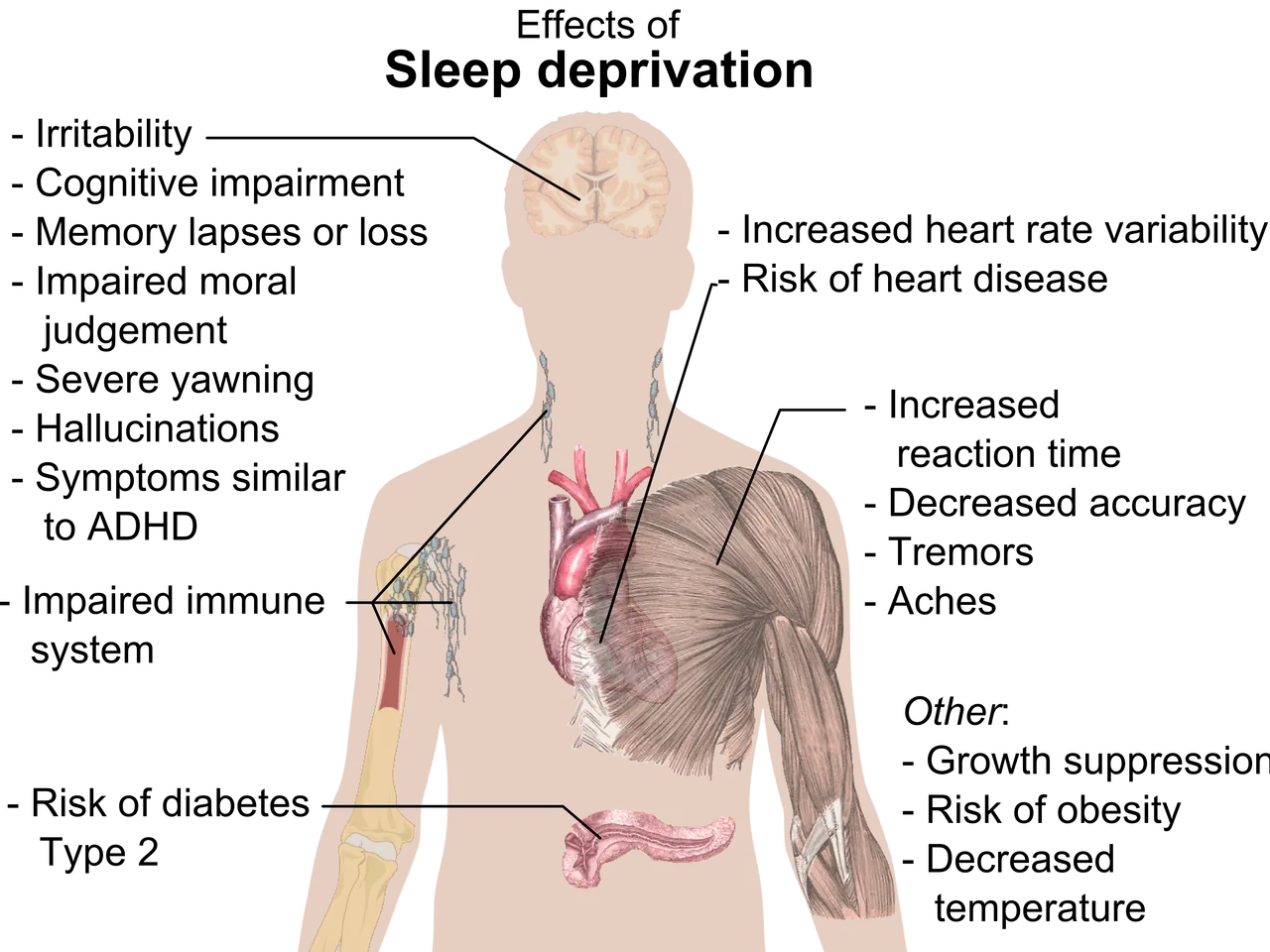
Doctors measure severity using the apnea-hypopnea index (AHI), which counts breathing pauses per hour. An AHI above 30 signals severe sleep apnea. Common symptoms include loud snoring, gasping for air at night, extreme daytime tiredness, and trouble focusing. In Germany, key risk factors include obesity, older age, evening alcohol use, and sedatives. Obesity plays a particularly critical role, as excess fat in the throat and tongue area narrows airways. Without treatment, the disorder can lead to high blood pressure, diabetes, depression, and an increased risk of road accidents due to drowsiness. Treatment options range from lifestyle changes to medical interventions. Positive airway pressure (PAP) devices, surgery, and weight management are among the most effective approaches.
Severe sleep apnea disrupts sleep and raises the likelihood of long-term health problems. Early diagnosis and treatment can reduce risks like cardiovascular disease and traffic collisions. Medical professionals recommend seeking help if symptoms such as chronic snoring or daytime exhaustion appear.