Siblings of neurodevelopmental patients feel 'invisible' in rural Australia
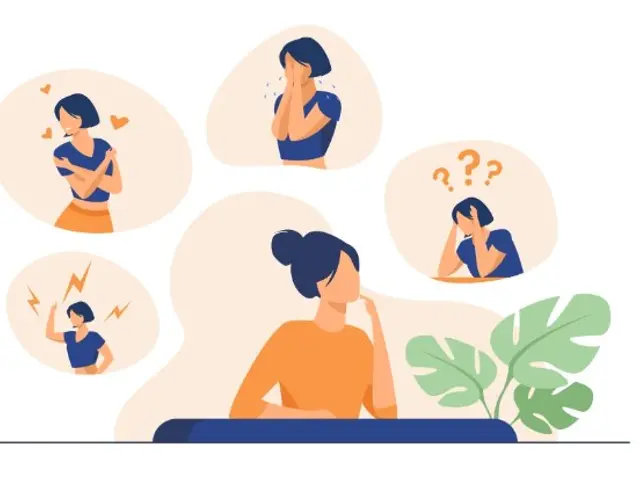
A new study led by Curtin University has uncovered the psychological struggles faced by siblings of people with neurodevelopmental conditions in regional and remote Australia. The research, published in Disability and Rehabilitation, highlights how these siblings often feel ignored by healthcare systems and left to cope alone with emotional challenges. The findings reveal that nearly one in three siblings reported low wellbeing, expressing dissatisfaction with their quality of life. Many described feeling 'overlooked' or 'invisible' within support frameworks, with societal expectations pushing them to simply endure their distress. Instead of formal mental health services, most relied on personal resilience or informal community networks to manage their struggles.
Social connections and a sense of belonging were found to explain over half the differences in siblings’ wellbeing. The study positions them as individuals with unique psychological needs, calling for greater recognition in clinical and neurodevelopmental support systems. Researchers argue that a layered approach—combining tailored psychological care with community-based initiatives—could significantly improve outcomes. To address geographical barriers, the report recommends expanding peer support, community education, and counselling through hybrid or fully online platforms. Such measures aim to ensure siblings in remote areas receive the same level of support as those in urban settings.
The research underscores the importance of resilience and community ties in fostering positive mental health for these siblings. By integrating formal support with accessible online services, the study suggests a pathway to better address their often-unmet needs. The findings serve as a call to action for healthcare providers and policymakers to recognise and act on the distinct challenges faced by this group.