Simple lifestyle changes can transform your sleep quality for good
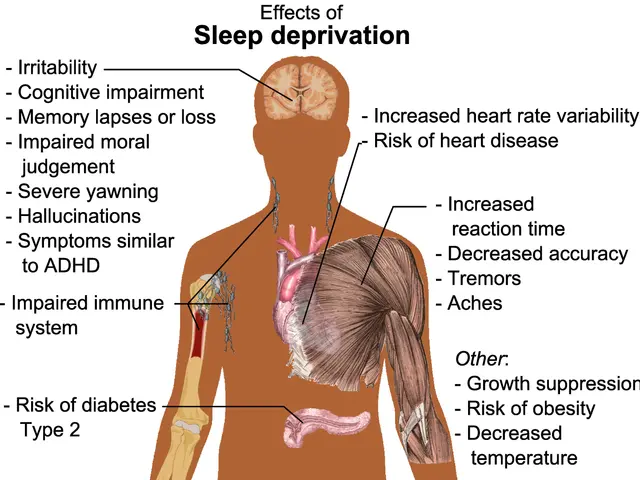
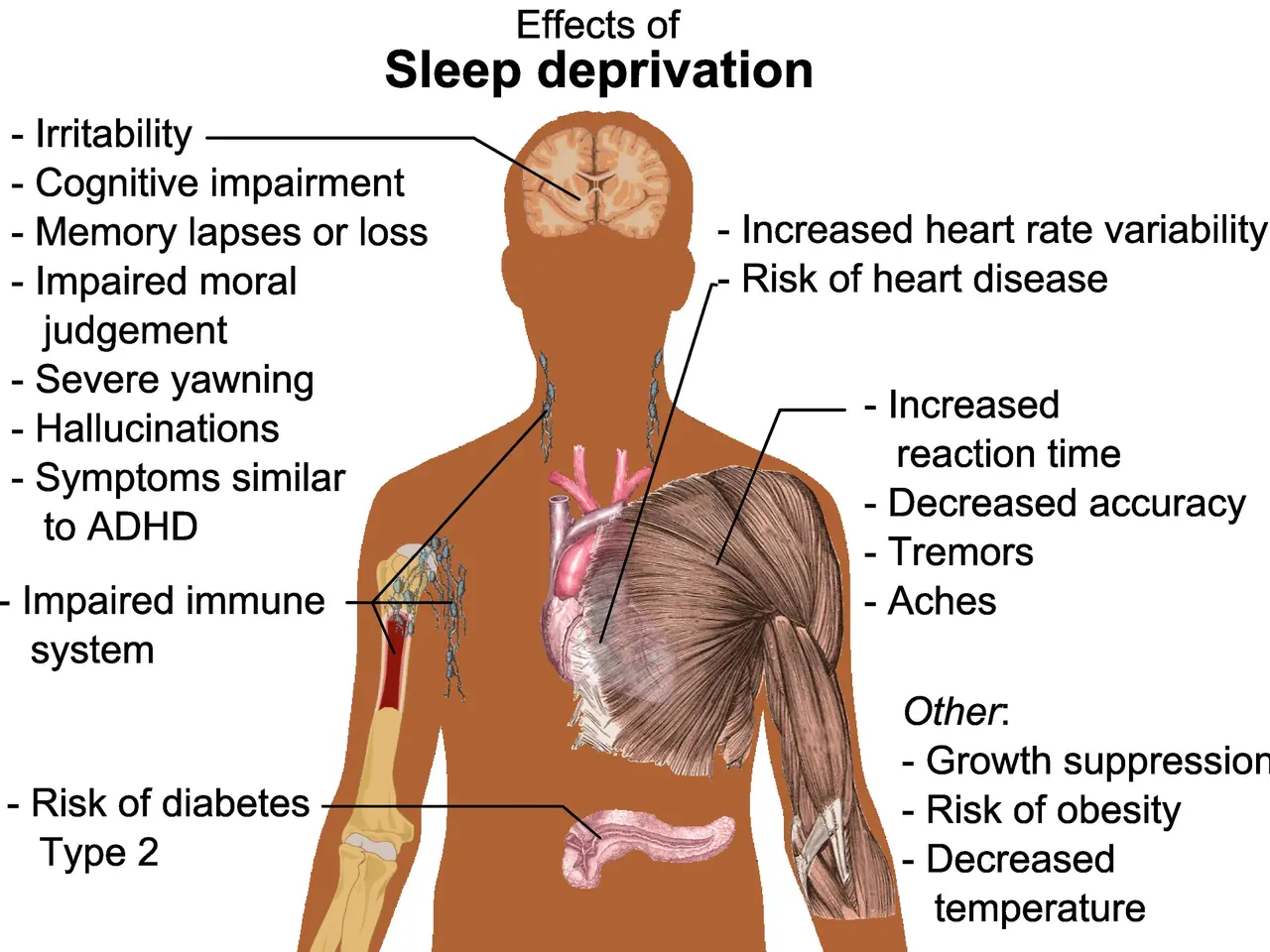
Sleep disorders affect a large number of people, often leading to daytime exhaustion, difficulty concentrating, and heightened irritability. Left untreated, poor sleep can also raise the risk of accidents, infections, and mental health problems. Yet many cases can be improved with simple lifestyle adjustments and better sleep habits. Physical issues like muscle cramps, pain, or frequent urination often disrupt sleep. Breathing difficulties, restless legs, and sleepwalking can also prevent restful nights. When these problems persist, they may signal an underlying sleep disorder.
Experts recommend basic changes to improve sleep quality. Turning off screens at least 30 minutes before bed, getting outdoor exercise during the day, and avoiding long or late naps can make a difference. Keeping a consistent bedtime, creating a quiet sleep environment, and winding down in the evening also help restore better rest. For those with chronic insomnia—where no clear cause exists—unhelpful thought patterns and behaviours can make the problem worse. Doctors advise against relying on sleeping pills for long-term relief. Instead, behavioural strategies and lifestyle tweaks are often more effective. If poor sleep continues or daytime fatigue becomes severe, consulting a GP is the first step. They may refer patients to a sleep specialist for further assessment. A full sleep study in a lab provides more accurate results than wearable devices like smart rings or watches, which can sometimes increase anxiety if overused. Prof. Dr. Matthias Boentert highlights that understanding why sleep disorders develop is key. While he notes that simple adjustments can lead to better sleep, specific recommendations depend on individual circumstances.
Sleep problems can often be managed with better routines and a calming evening environment. When issues persist, medical advice ensures the right support, whether through behavioural changes or specialist care. Early intervention helps prevent long-term effects on health and daily life.