Sleep disturbances may signal Parkinson's years before diagnosis
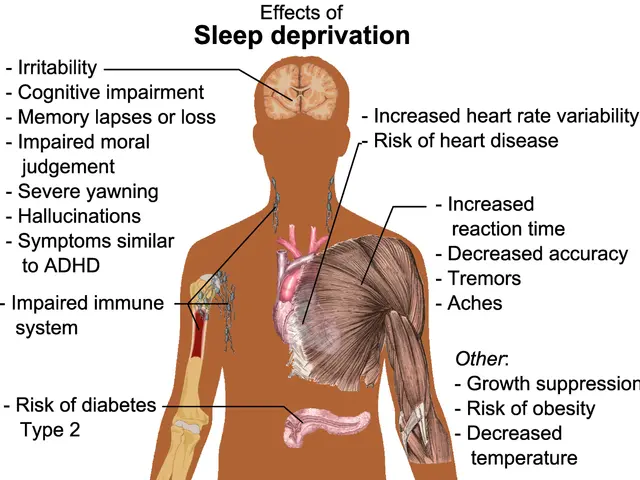
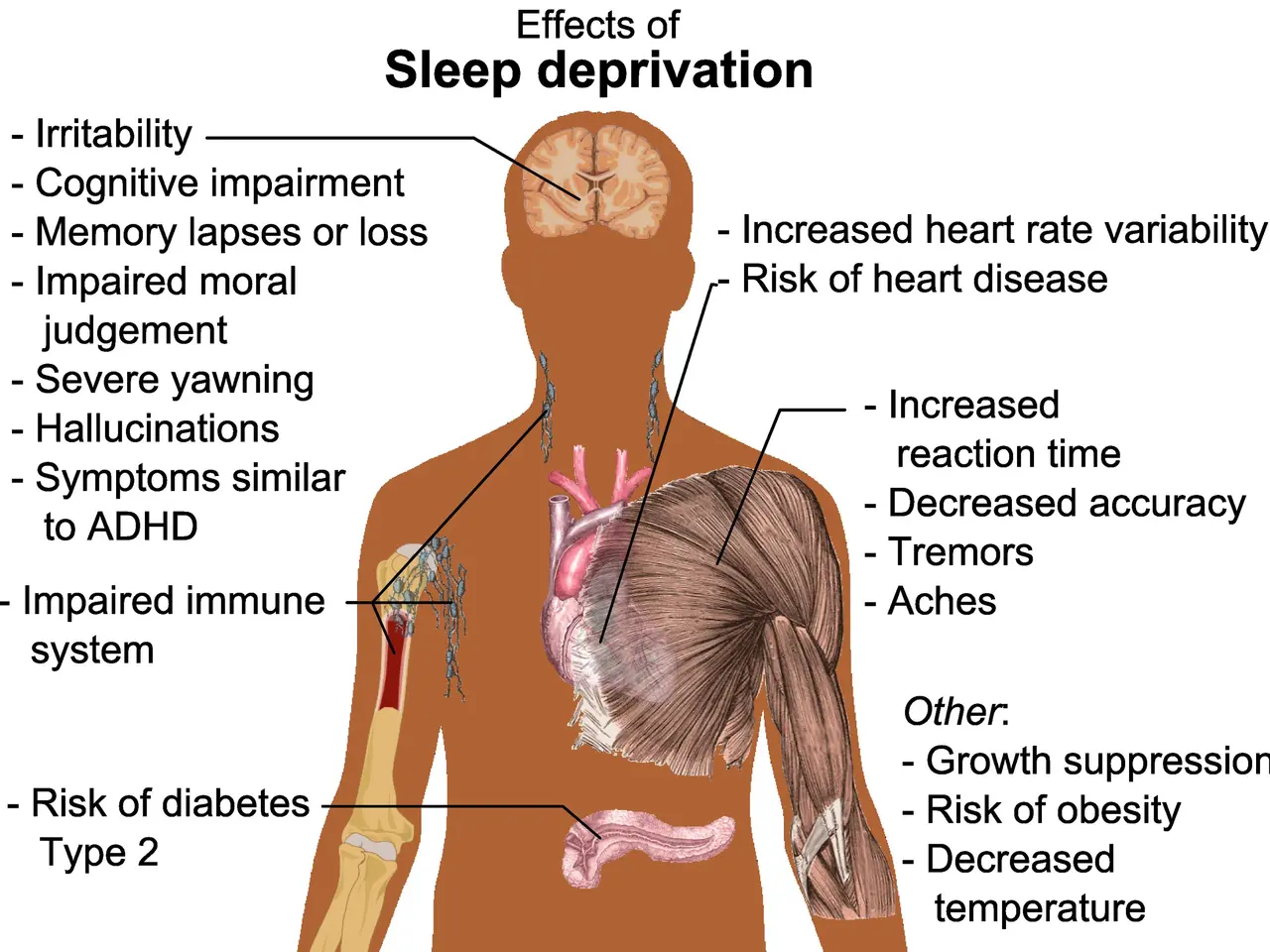
Parkinson's disease affects over 10 million people worldwide, with numbers expected to more than double by 2050. Researchers have now uncovered a strong link between sleep disturbances and the development of this neurological condition. Early signs often appear years before diagnosis, particularly in disrupted sleep patterns. The disease begins when brain cells producing dopamine start to die. Among the first areas affected are sleep centres, which can worsen symptoms and speed up progression. Deep sleep phases, crucial for brain recovery, are severely impaired in many patients.
Studies show that sleep disorders, including sleep apnoea, often appear long before Parkinson's is diagnosed. These disturbances may even serve as early warning signs. The brain's glymphatic system, which clears waste during deep sleep, also plays a key role in nighttime recovery. Recent advances in AI have made it possible to predict Parkinson's severity with 94% accuracy by analysing nighttime breathing patterns. This method could help detect the disease earlier and improve treatment options. In Germany alone, around 400,000 people live with Parkinson's, while Belgium reports about 65,000 cases. Globally, the condition continues to rise, highlighting the need for better diagnostic tools.
The connection between sleep problems and Parkinson's offers new ways to detect the disease sooner. With AI now capable of assessing severity through breathing patterns, early intervention may become more effective. As cases grow worldwide, these findings could shape future treatments and slow progression for millions at risk.