Social ties, nutrition, and wealth shape fitness in older adults, study reveals
A new study has uncovered key factors affecting physical fitness in older adults. Researchers Lin, Pan, Hsu, and their team analysed long-term trends to identify what keeps older populations active and healthy. Their findings highlight the role of social, economic, and nutritional influences on fitness levels later in life.
The study tracked fitness trends among older adults over several years. Results showed that those with higher socioeconomic status tended to maintain better physical fitness as they aged. Access to regular healthcare and health promotion activities also played a crucial role in sustaining mobility and strength.
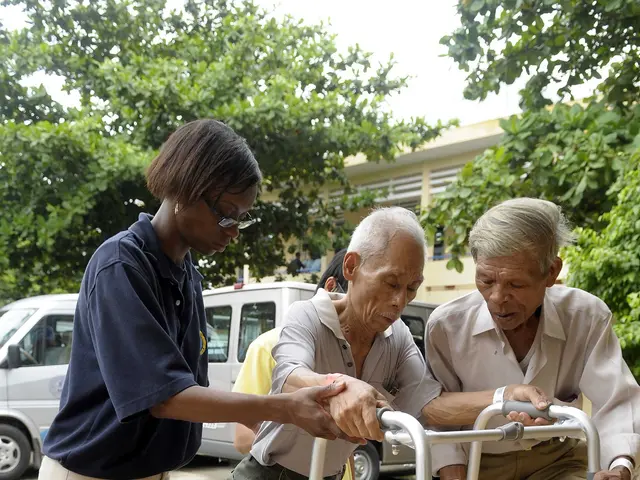
Social engagement emerged as another important factor. Older adults who stayed socially active reported higher fitness levels, suggesting that community support systems could boost physical well-being. Nutrition also proved vital, with balanced diets rich in proteins, vitamins, and minerals directly improving performance. The researchers further noted that nutritional counselling helped refine dietary habits, leading to better fitness outcomes. They stressed the need for tailored exercise programmes that account for individual risk factors, such as socioeconomic background and healthcare access.
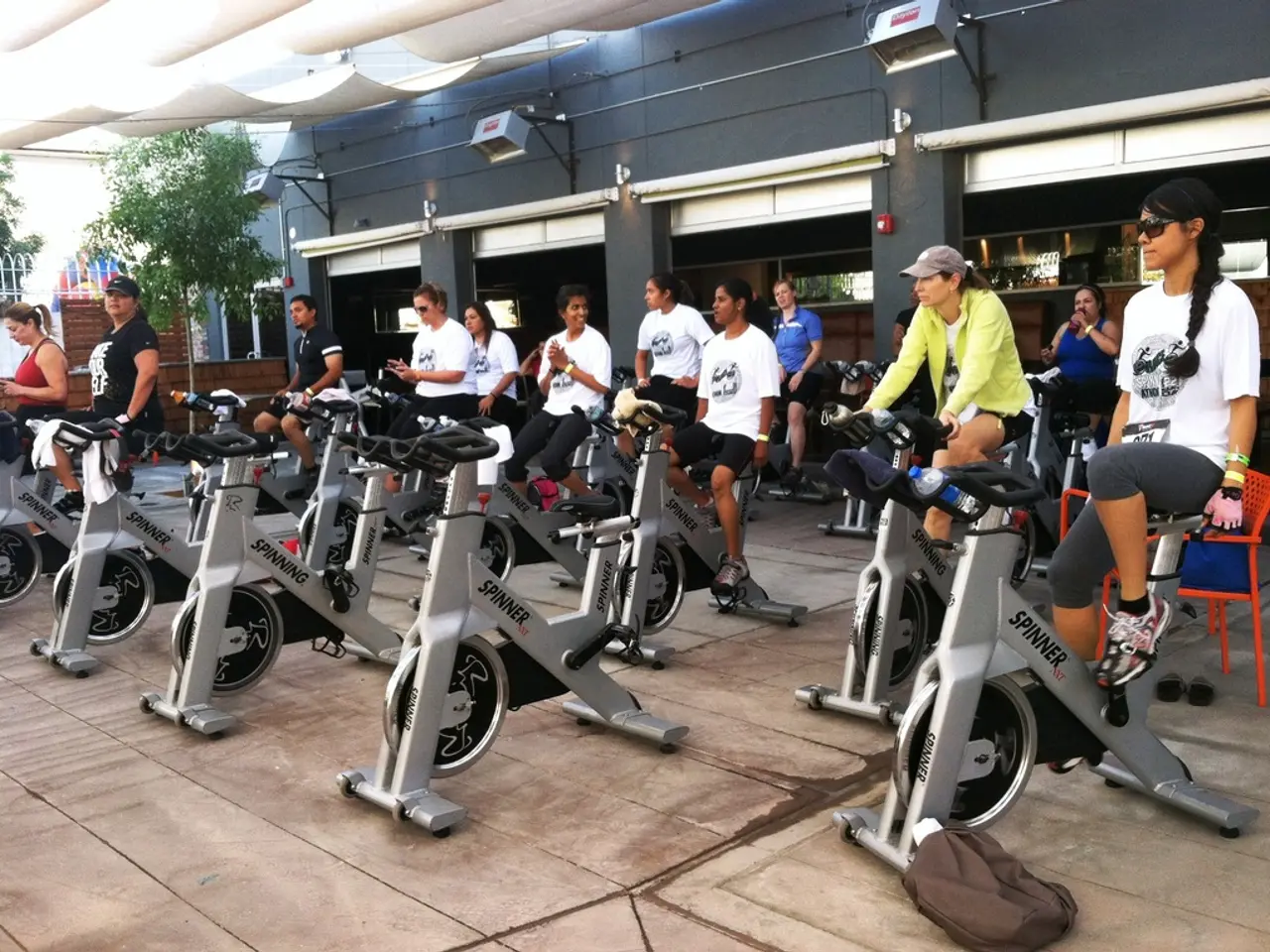
The study’s insights point to clear strategies for improving fitness in older adults. Systematic physical activity programmes, better access to Medicare and social security benefits, and social support could all contribute to healthier ageing. These measures may also ease pressure on global health systems as the older population continues to grow.