Sports Nutrition Boom: Which Supplements Actually Work in 2024?
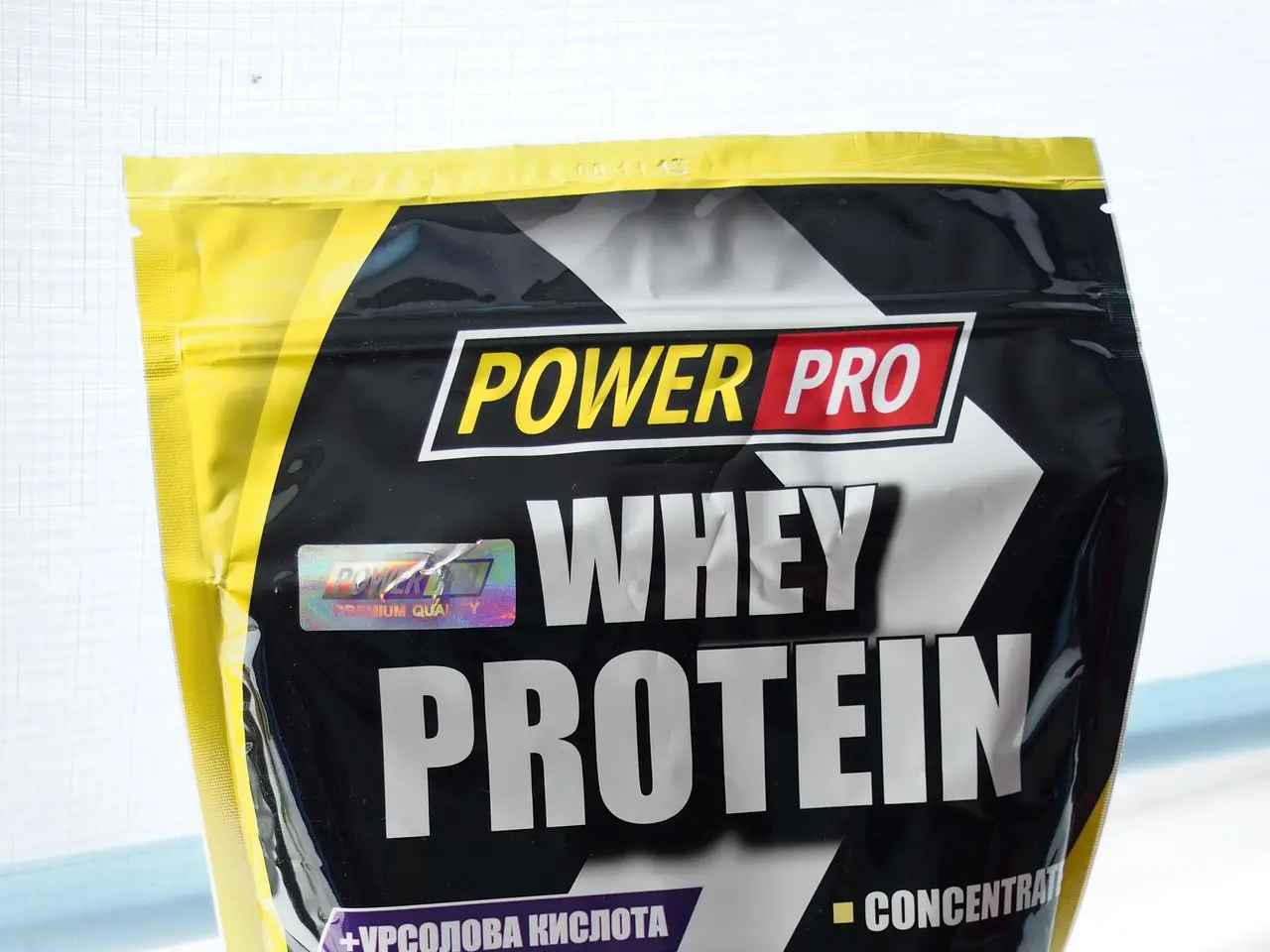
The global market for sports nutrition has grown steadily since 2020, with demand for products like protein supplements and energy bars rising by 8-10% each year. This surge follows increased health awareness after the pandemic, the popularity of home workouts, and the expansion of online shopping. Yet not all supplements deliver the benefits they promise—some show little effect, while others remain proven performers. Among the most effective supplements, creatine stands out for its ability to enhance power and strength. Protein powders, particularly whey-based options, also provide high biological value by supplying essential amino acids that aid muscle growth and recovery. Blended protein formulas further support athletes by maintaining a positive nitrogen balance during intense training.
Fish oil remains a reliable choice due to its omega-3 fatty acids, which help reduce inflammation, support heart health, and improve general well-being. However, other supplements have fallen short in research. DHEA, chromium picolinate, and arginine have shown minimal or no meaningful effects in human studies, with arginine potentially even lowering growth hormone levels. Similarly, HMB and ribose offer limited proven benefits, particularly among elite athletes. The rise in demand for sports nutrition products has been driven by several factors. Fitness apps, social media trends—especially among millennials—and pandemic-related supply chain changes have all played a role. E-commerce growth has made these products more accessible, further boosting their popularity.
While some supplements like creatine, protein powders, and fish oil continue to prove their worth, others have failed to live up to expectations in clinical trials. The expanding market reflects broader shifts in health habits, with more people turning to sports nutrition as part of their fitness routines. This trend shows no signs of slowing, as convenience and digital engagement keep demand strong.