Standing Exercises Slow Muscle Loss and Boost Recovery, Experts Say
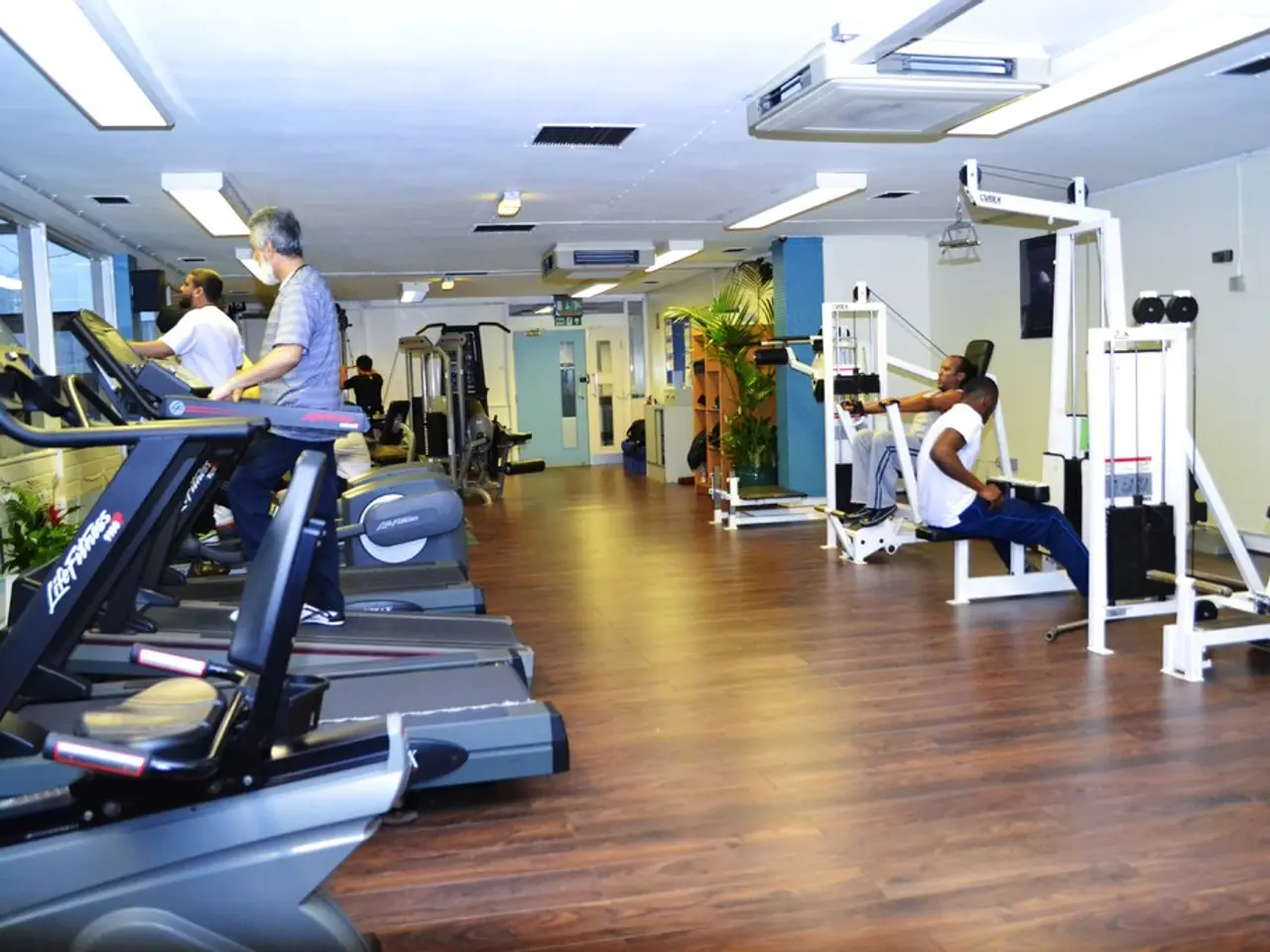
Standing exercises are gaining recognition for their wide-ranging health benefits. Experts now highlight their role in slowing muscle loss, improving balance, and aiding recovery. Two specialists—Dr. Eugene Lipov and Esther Gokhale—have recently emphasised their effectiveness in different medical contexts.
Aging often triggers muscle loss, a condition called sarcopenia. Research shows that targeted exercises can slow this decline. Standing routines, in particular, engage multiple muscle groups at once while boosting signals between the brain and body.
Dr. Eugene Lipov, a chronic pain specialist, recommends standing exercises to balance the autonomic nervous system. In 2020, he introduced specific drills—such as one-legged stands, single-leg squats, and lunges—to support patients undergoing stellate ganglion block (SGB) therapy. These movements were first shared in a webinar hosted by the International Stellate Ganglion Block Association (ISGBA). Esther Gokhale, founder of the Gokhale Method, also backs standing exercises for their natural movement benefits. Unlike seated routines, these drills reduce joint strain and lower stress responses that can delay muscle repair. They also enhance coordination, stability, and efficient movement patterns. Beyond muscles, standing exercises promote axial loading—the force exerted through the skeleton when upright. This strengthens bones, fascia, and connective tissue. The approach also accelerates recovery by stimulating the nervous system and improving overall balance.
Standing exercises offer a practical way to combat age-related muscle loss and support rehabilitation. Their ability to strengthen bones, sharpen coordination, and reduce joint stress makes them a valuable addition to fitness and therapy routines. Both medical professionals and movement specialists now advocate for their broader use.