Struggling to Sleep After a Break? Reset Your Routine With These Tips
Returning to work after a short break often feels challenging. Many struggle with fatigue, irritability, or disrupted sleep as they adjust to old routines. Yet small changes in daily habits can help restore a healthy sleep pattern and ease the transition.
The problem goes beyond temporary discomfort. Poor sleep can lead to long-term health issues, including metabolic disorders and chronic fatigue. In Sverdlovsk Oblast alone, residents made over 31 million visits to clinics in 2025, highlighting the demand for medical support.
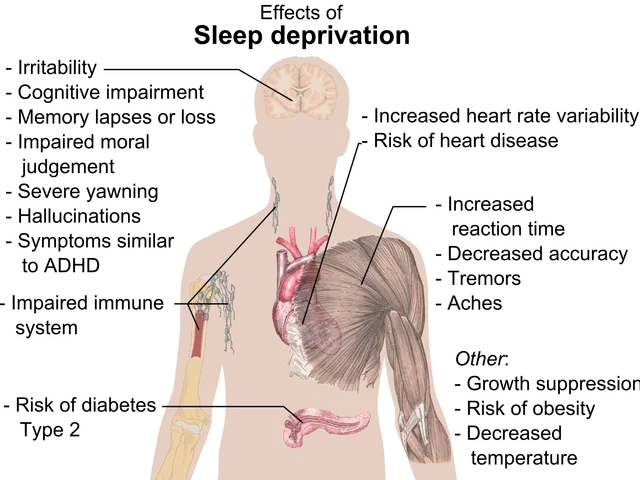
Irregular sleep patterns cause more than just tiredness. People may find it hard to fall asleep, wake up often at night, or feel drowsy during the day. Over time, this can lead to anxiety, mood swings, and even neurological or endocrine problems.
A disrupted circadian rhythm lies at the heart of many sleep issues. To reset it, experts suggest keeping the bedroom cool, dark, and quiet. Avoiding heavy meals, caffeine, or alcohol before bed also helps. A calming pre-sleep routine—like reading or gentle stretching—can signal the body that it’s time to rest.
Daytime habits matter too. Skipping naps before returning to work makes it easier to adjust to a full schedule. Regular cardio exercise boosts metabolism, lifts mood, and encourages deeper sleep at night.
Not all sleep problems resolve on their own. If difficulties last over three months, or if symptoms include severe snoring, sleep apnea, or taking hours to fall asleep, medical advice is necessary. While local resources in Sverdlovsk Oblast exist, up-to-date recommendations require contacting health authorities directly.
Adjusting to work after a break takes time, but better sleep habits can smooth the process. Simple changes—like controlling light exposure, avoiding late meals, and staying active—often bring noticeable improvements. For persistent issues, consulting a doctor ensures proper diagnosis and treatment. In regions like Sverdlovsk, where clinic visits remain high, accessing professional help remains a practical step.