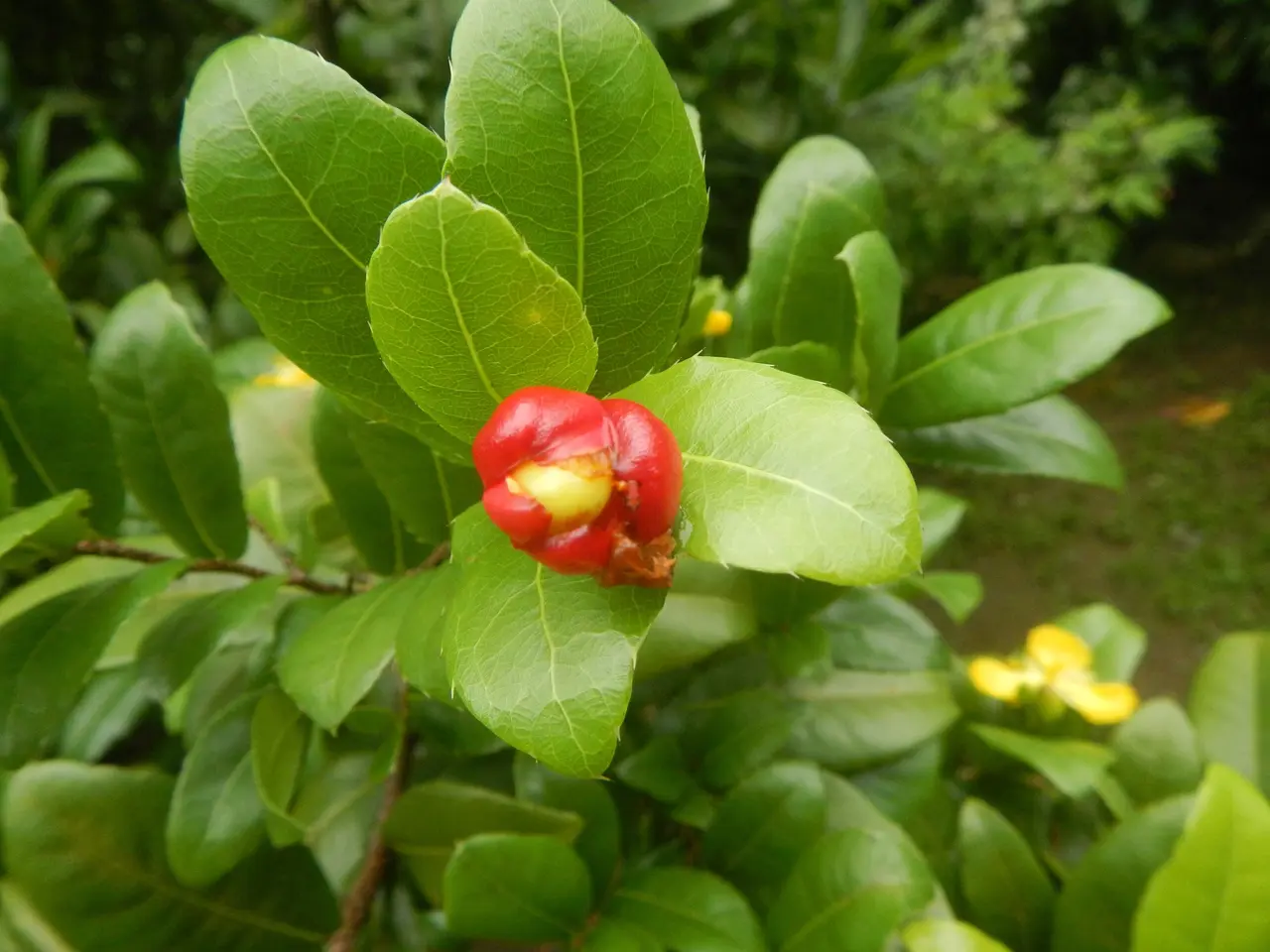
Surinam Cherry: A Tangy, Hardy Fruit Conquering Global Gardens
The Surinam cherry, known scientifically as Eugenia uniflora, is a hardy fruit native to South America. Originally found in Brazil, Paraguay, and Argentina, it has since spread to warm climates across the globe. Its bright, tangy flavour and adaptability make it a favourite for both gardeners and cooks. This evergreen shrub or small tree thrives in tropical and subtropical conditions. It produces delicate white flowers that draw in bees and butterflies, aiding pollination. The fruit itself changes colour as it ripens, shifting from green to orange before turning a deep red or purple.
The Surinam cherry is more than just a decorative plant. It is packed with vitamin C, vitamin A, and antioxidants like flavonoids and anthocyanins. Its unique taste—sweet yet tart, with a faint resinous or peppery note—makes it versatile in the kitchen. People use it in jams, jellies, syrups, chutneys, and even tropical wines. Easy to grow, the plant needs well-drained soil, plenty of sunlight, and moderate watering. Its resilience and low maintenance requirements have made it popular in regions like the Caribbean, Florida, India, and Southeast Asia. However, recent data on commercial cultivation in these areas remains unavailable. Despite its spread, the plant's origins remain firmly in South America. There, it continues to be valued for both its ecological benefits and its culinary uses.
The Surinam cherry's adaptability and nutritional value have helped it gain ground in warm climates worldwide. While it thrives in gardens and small-scale farming, detailed records of its commercial growth in recent years are scarce. Its resistance to harsh conditions and appeal to pollinators keep it a practical choice for sustainable cultivation.