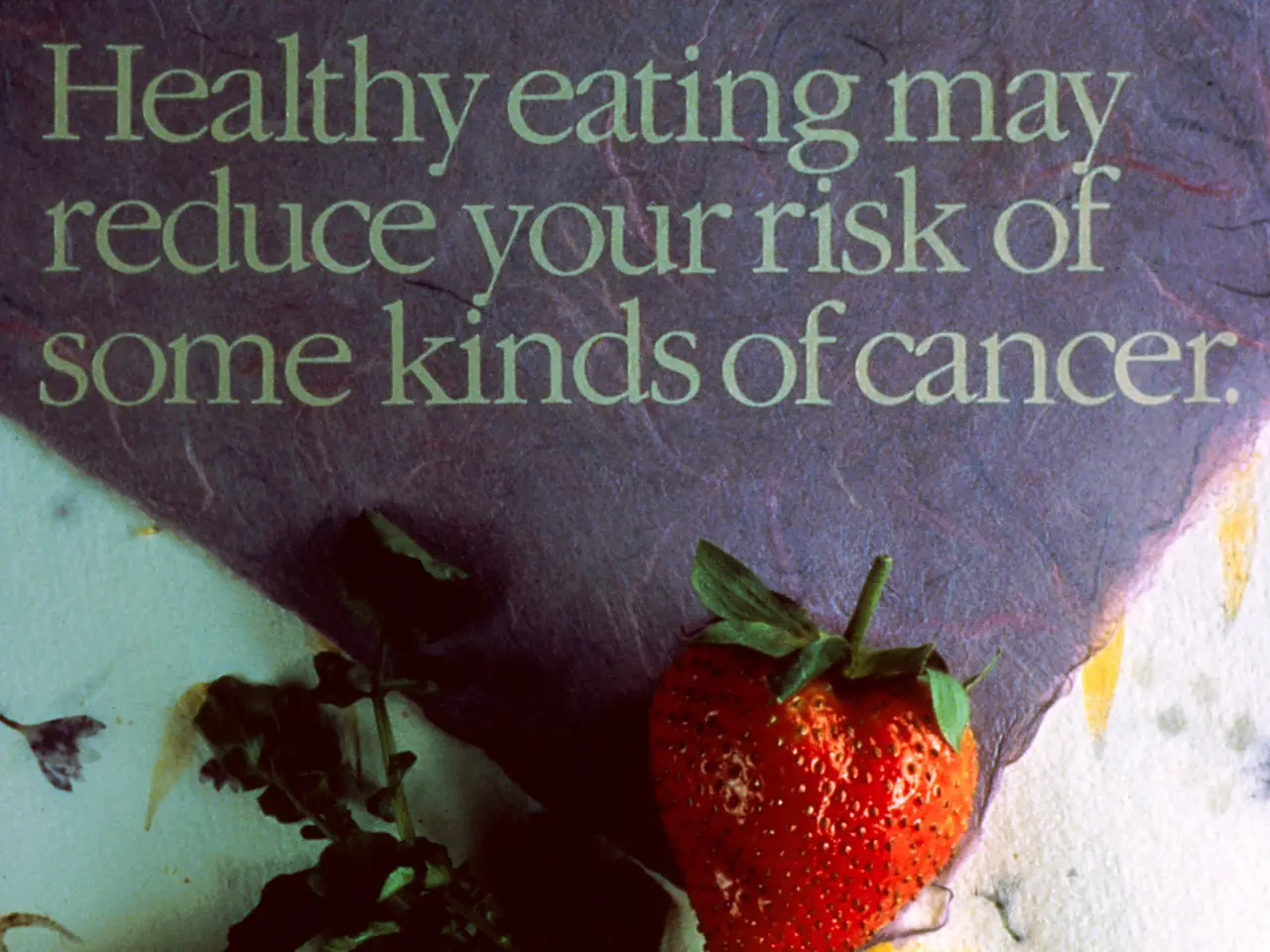
Sustainable diets linked to 7% lower cancer risk in landmark study
A major study has found that sustainable diets may lower cancer risk. Researchers at the University of Regensburg analysed data from over 2.2 million people across 17 international studies. Their findings suggest that those with the most sustainable eating habits faced a 7% lower risk of cancer and a 12% reduced chance of dying from the disease.
In Germany, the AfD faction has responded by pushing for policy changes. A parliamentary motion (21/3833) proposes measures like nutrition education in schools, tax breaks for food donations, and stricter labelling rules for plant-based products.
The study, led by the Chair of Epidemiology and Preventive Medicine at the University of Regensburg, examined how diet affects cancer risk. Sustainable diets were defined by higher plant-based food intake, fewer processed products, and lower meat and sugar consumption. Foods like legumes, whole grains, nuts, and fruits—common in such diets—are both nutrient-rich and environmentally efficient to produce.
Researchers used scientific indices to assess sustainability, factoring in both health benefits and environmental impact. The strongest links were seen in reduced risks for lung and stomach cancer. Organic food consumption and avoiding ultra-processed items also contributed to the protective effect. Meanwhile, German lawmakers are considering steps to encourage sustainable eating. The AfD's motion calls for nutrition training in teacher programmes, reduced liability for food donors, and clearer food labelling. It also seeks to ban traditional meat terms (like 'sausage' or 'steak') on plant-based alternatives to prevent consumer confusion.
The study highlights a measurable connection between diet sustainability and cancer outcomes. With a 7% lower cancer risk and 12% fewer deaths in the most sustainable eaters, researchers urge public health policies to prioritise these eating patterns. In Germany, the proposed measures—from education to labelling—could shape future food habits if adopted.