Sweet-smelling vapes lure squirrels into a toxic trap
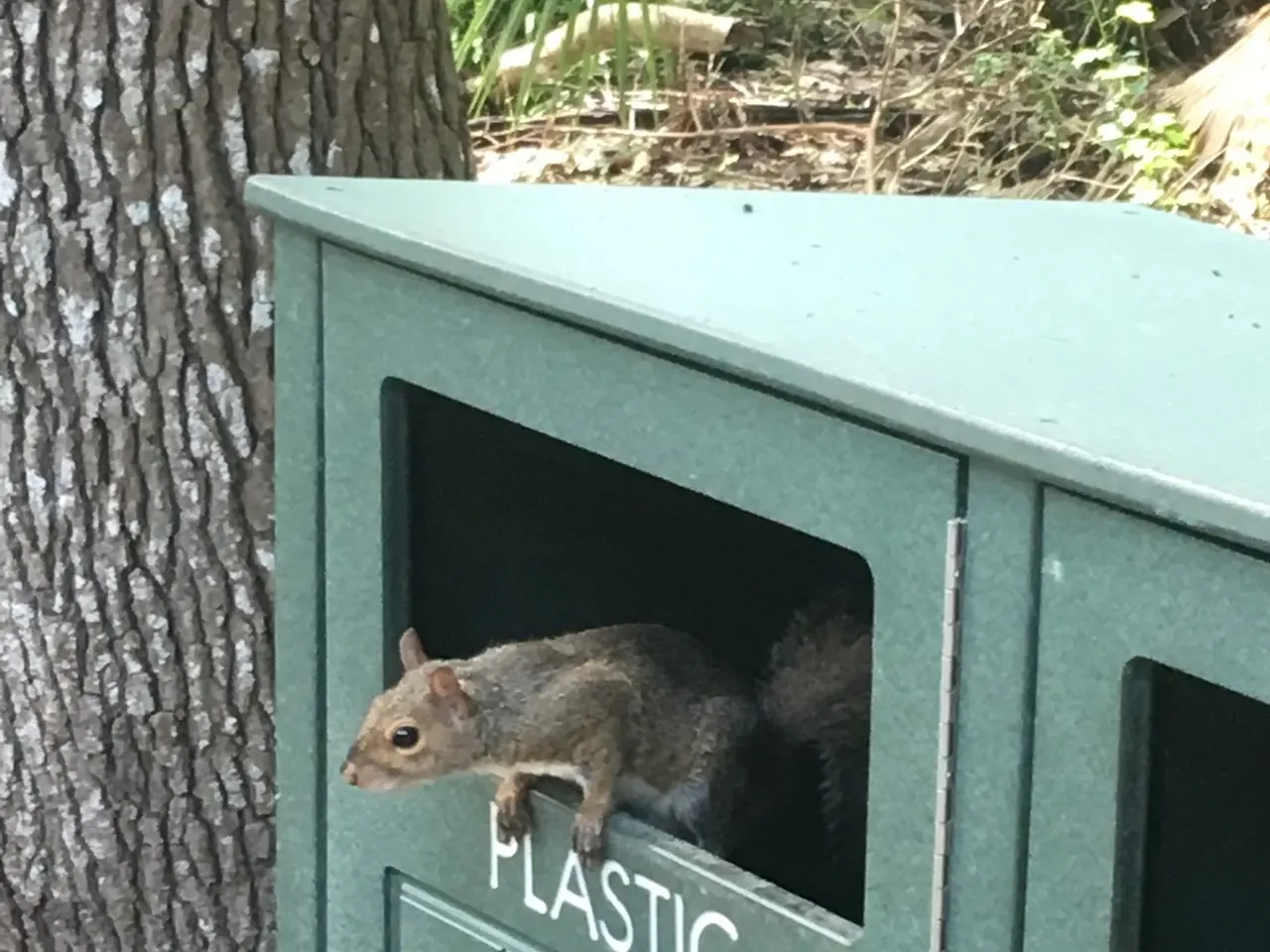
Discarded e-cigarettes are putting wildlife at risk, with squirrels increasingly drawn to the sweet-smelling devices. The trend has raised concerns as vapes contain toxic substances like nicotine, lithium batteries and chemical flavourings. Experts warn that these items, often littered in public spaces, can harm animals that chew or ingest them. Squirrels are being attracted to disposable vapes because the e-liquids smell like fruit or sweets. Flavours such as strawberry, mango, bubblegum and watermelon mimic scents that squirrels naturally associate with food. While they are not drawn to the nicotine itself, the sweet aromas make the devices tempting to chew.
Viral videos on social media show squirrels gnawing on discarded vapes, highlighting the growing problem. The RSPCA has issued warnings about the dangers, noting that nicotine and other chemicals can poison wildlife. Reports also confirm that pets and wild animals have suffered injuries or illness after encountering vape components. Millions of single-use e-cigarettes are discarded each week, often ending up in parks, streets and wooded areas. The combination of accessible litter and appealing scents means squirrels and other animals are at greater risk of accidental poisoning or physical harm from sharp parts.
The issue underscores the broader impact of human litter on wildlife, particularly as disposable vapes become more common. With no signs of the trend slowing, conservation groups urge better disposal methods to protect animals. Until then, discarded vapes will continue to pose a hidden but serious threat to urban and rural wildlife.