Switzerland's cancer survival success masks critical prevention failures
Switzerland ranks among the top countries for cancer survival rates, yet its prevention efforts remain uneven. A recent global study highlights missed opportunities in reducing avoidable cases. Key risks like smoking, alcohol, obesity, and infections continue to play a major role in cancer diagnoses across the country.
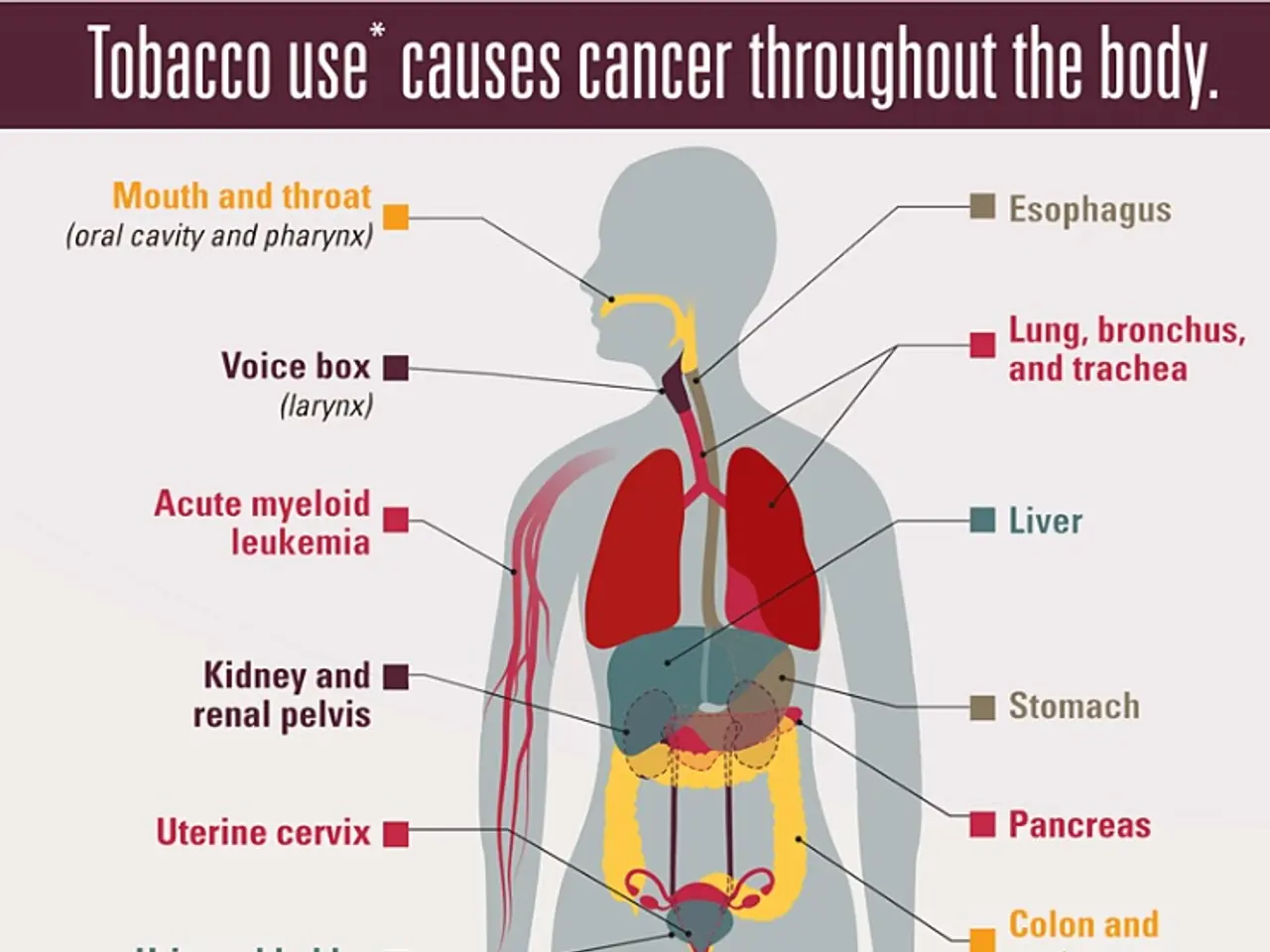
Smoking remains the leading cause of cancer in Switzerland, responsible for 21% of new cases in men and 13% in women. While overall smoking rates are falling, younger people are taking up the habit more often, and e-cigarettes are becoming increasingly popular. The new Tobacco Act, introduced to curb this trend, has faced criticism from health experts who argue it lacks strong enough measures.
Alcohol consumption and obesity also contribute to higher cancer risks. Meanwhile, infections—particularly hepatitis and HPV—pose significant threats. Vaccination rates against HPV vary sharply between cantons, with coverage ranging from just 30% to 80%.
Prevention gaps extend to screening programs as well. Six cantons—Nidwalden, Obwalden, Schwyz, Uri, Zug, and Zurich—do not offer organised breast cancer early detection schemes. This disparity stems from the absence of a national cancer strategy since 2020, leaving responsibility to individual women or their doctors. Without a coordinated approach, regional inequalities persist.
The study underscores the need for stronger prevention policies in Switzerland. While survival rates are high, inconsistent funding and federalism slow progress in reducing avoidable cases. Addressing smoking, alcohol, obesity, and infection risks—alongside expanding screening access—could significantly lower cancer rates nationwide.