Tirzepatide slashes alcohol cravings by over 50% in groundbreaking study
A new study suggests tirzepatide, the drug behind the diabetes medication Mounjaro, could help reduce alcohol consumption. Researchers at the University of Gothenburg found the treatment cut binge drinking and overall alcohol intake in animal models by more than half. The findings point to a potential breakthrough in tackling alcohol dependence—but human trials have yet to begin.
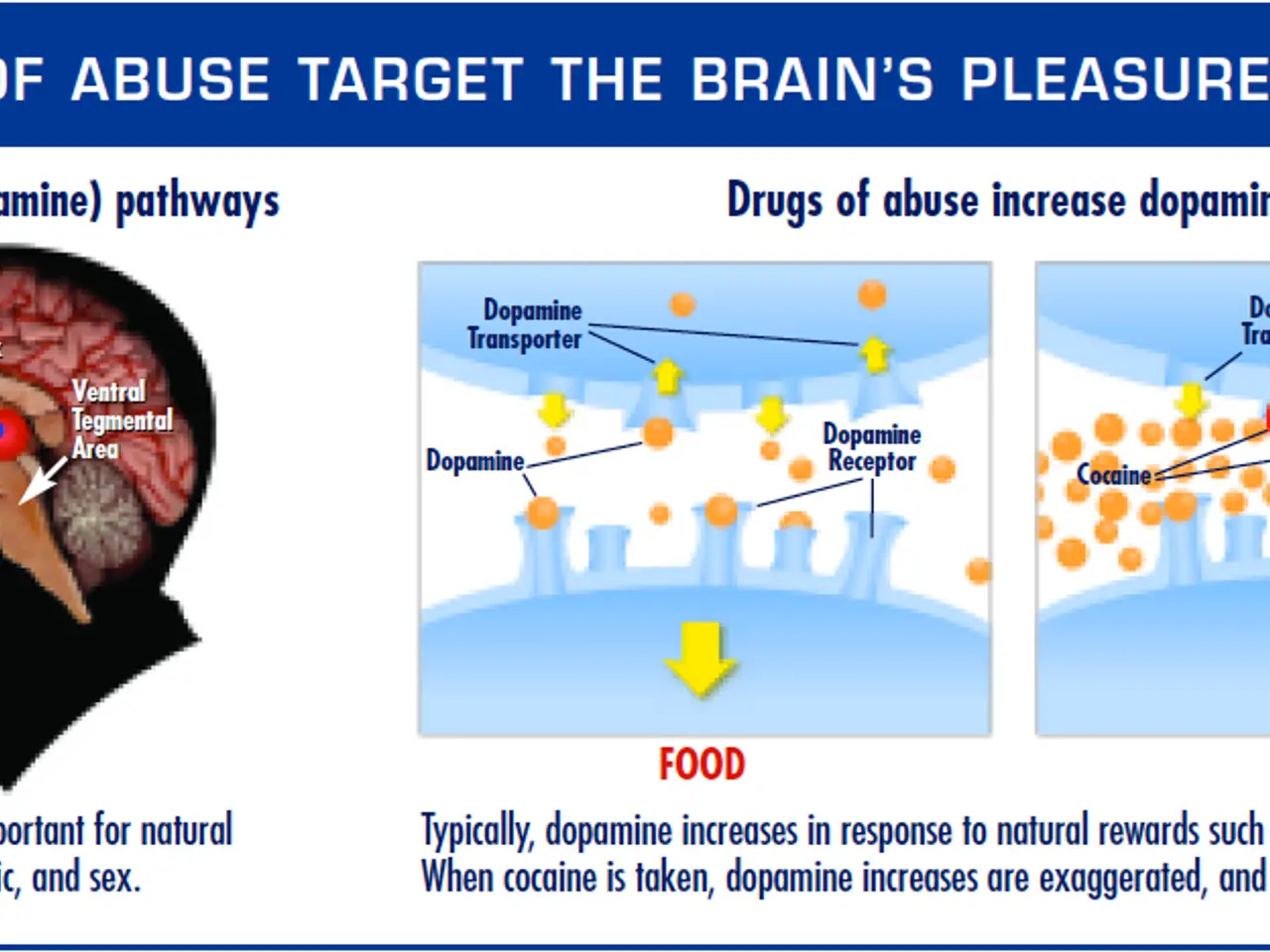
Tirzepatide works differently from existing treatments for addiction. It targets two key receptors, GIP and GLP-1, which may give it a stronger effect on addictive behaviour. Unlike other medications, it appears to alter the brain's reward system by reducing dopamine responses linked to alcohol cravings.
The study showed striking results in animals. Voluntary alcohol consumption dropped by over 50%, while episodes of binge drinking nearly disappeared. Researchers believe the drug might also trigger long-term biological changes in the brain, possibly through epigenetic mechanisms, helping to sustain these effects.
Despite the promising findings, no clinical trials for tirzepatide as an alcohol dependence treatment have been approved or registered with the EMA or FDA as of February 2026. While preclinical research exists, no advanced human studies are underway. However, the drug's existing approval for diabetes could speed up the regulatory process if trials move forward.
The study highlights tirzepatide's potential as a novel treatment for alcohol dependence, combining immediate effects on cravings with possible long-term brain changes. But before it can be prescribed for this use, further human trials will be required. Regulatory agencies have not yet received applications for this specific indication.