Toronto Police Rethink Mental Health Crisis Response Amid Debate
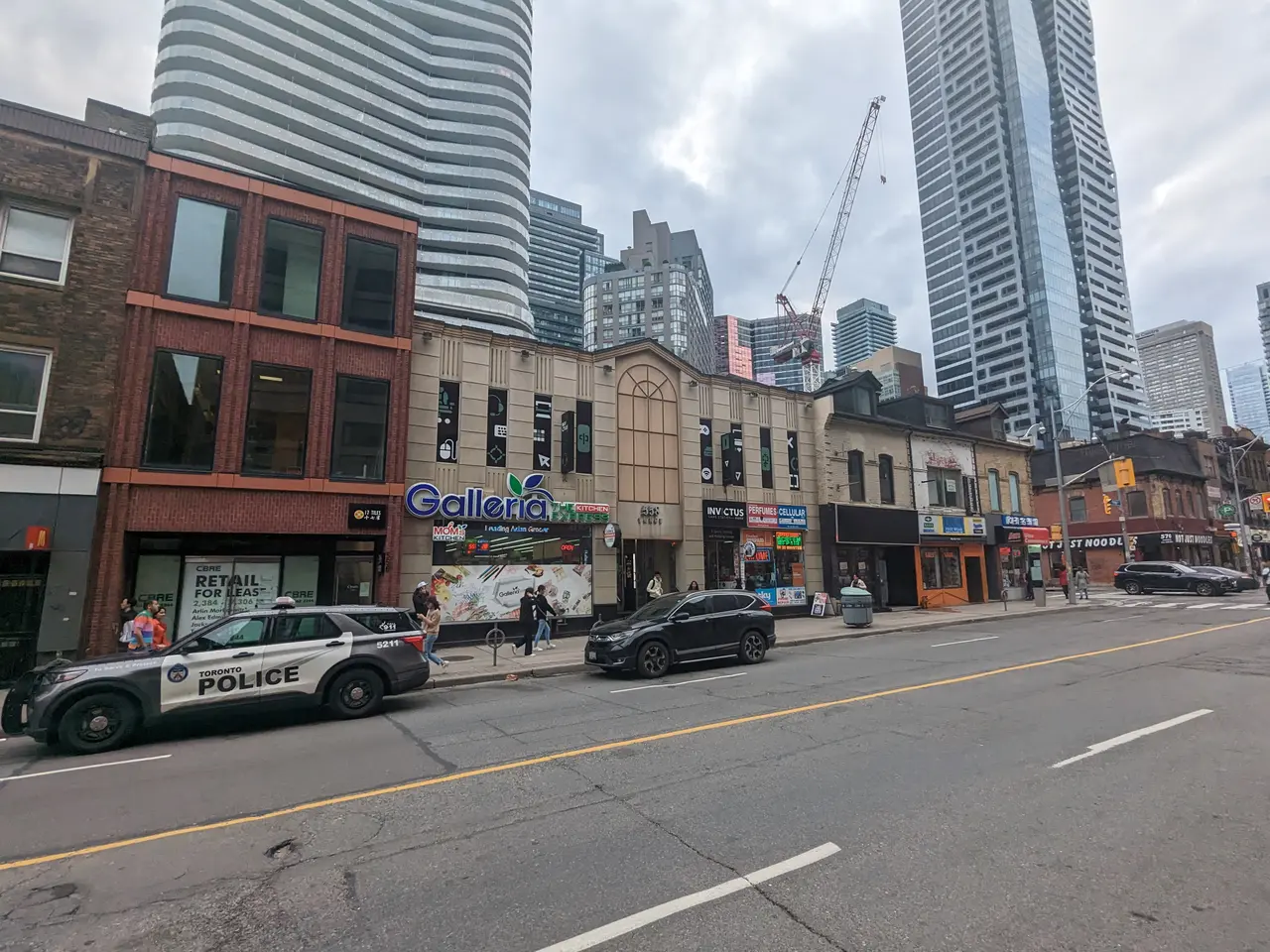
Toronto Police Service is reviewing its approach to mental health crisis responses. A recent presentation outlined plans to expand non-police services while phasing out existing teams. The proposal has sparked debate among officers, nurses, and city officials.
Chief Supt. Mandeep Mann shared guiding principles for a new mental health strategy at a board meeting. The plan includes growing the Toronto Community Crisis Service (TCCS) to handle non-violent calls. An internal memo from November suggested the Mobile Crisis Intervention Teams (MCITs) could end by late 2026.
MCITs pair specially trained officers with mental health nurses to respond to crisis situations. The Canadian Federation of Mental Health Nurses warned against removing them without a proven alternative for high-risk cases. Coun. Josh Matlow backed a combined public health and safety approach but stressed the need for proper coordination.
Toronto Police Association president Clayton Campbell criticised the lack of input from frontline officers and partners. The service has promised consultations on future changes but has not yet made a final decision. An expanded role for Toronto Paramedic Services was also mentioned in the discussion.
The police service will now gather feedback before finalising any shifts in mental health response. If approved, the TCCS expansion would reduce police involvement in non-violent crisis calls. The fate of MCITs remains uncertain pending further review and stakeholder input.