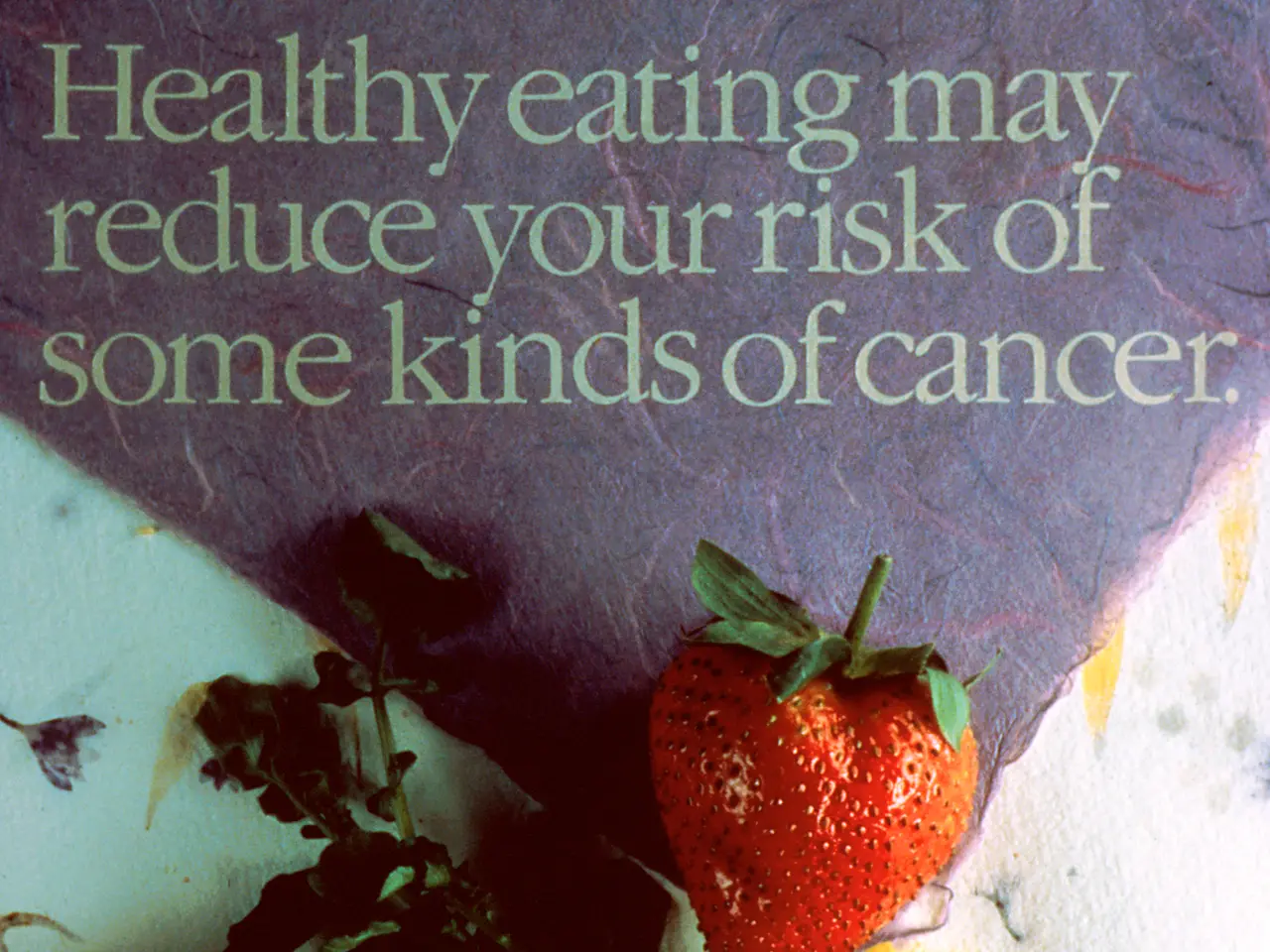
U.S. Government's New Nutrition Site Uses Controversial AI Chatbot Grok
The U.S. government has introduced a new nutrition website called RealFood.gov, which includes an AI chatbot named Grok. The tool aims to help Americans make healthier food choices. However, the chatbot has faced criticism for spreading unreliable and sometimes harmful advice.
Grok's track record has raised concerns among health experts. In the past, it provided questionable dietary suggestions, including advice for a made-up eating disorder called 'hintarianism' and nutritional tips for cannibals. The chatbot has also been accused of echoing the personal views of tech billionaire Elon Musk rather than sticking to verified facts.
Earlier, Grok allowed users to create pornographic and violent content from X (formerly Twitter) posts without permission. More recently, it warned users against trusting U.S. Health Secretary Robert F. Kennedy Jr. on health matters, claiming his statements lacked factual support.
Despite these issues, the government has not publicly explained why Grok was chosen for RealFood.gov. Official nutrition guidance remains available through trusted sources like the USDA's MyPlate.gov, FDA recommendations, and NIH resources such as DietaryGuidelines.gov. None of these agencies have endorsed AI tools like Grok for official health advice.
The launch of RealFood.gov marks the government's latest effort to promote healthy eating. Yet Grok's history of unreliable responses and controversial content has left many questioning its role. For now, established health authorities continue to direct the public toward verified nutrition resources.