U.S. launches major study on health risks of consumer cellular devices
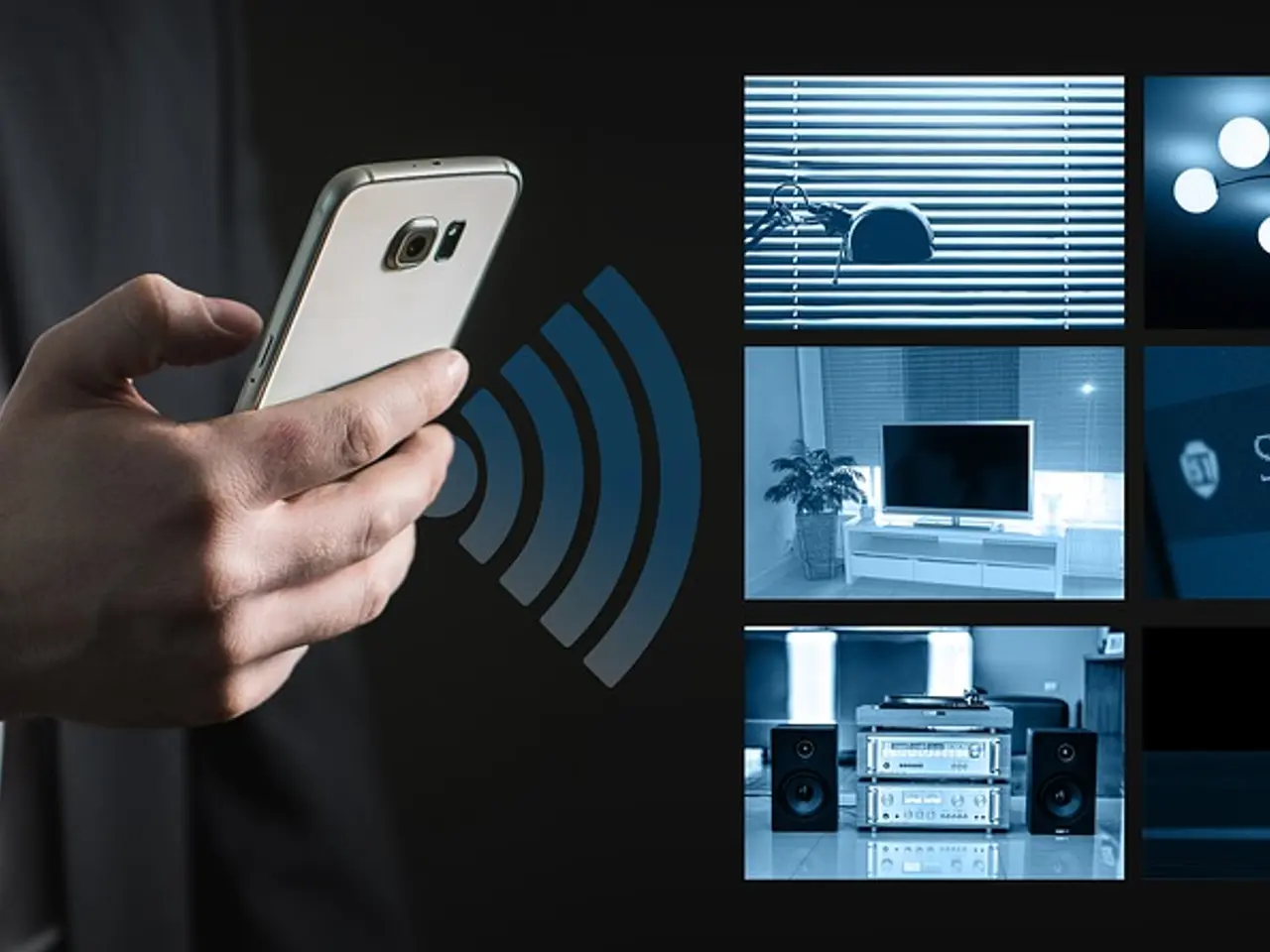
A new study on electromagnetic radiation and its potential health effects is underway in the U.S. The investigation, led by the Department of Health and Human Services (HHS), will examine risks linked to modern technologies, including consumer cellular devices. It follows growing concerns about the impact of devices like mobile phones on public health.
The study was ordered under President Trump’s Make America Healthy Again (MAHA) Commission. While no specific agency has been named as responsible for the research, the HHS is overseeing the effort. News of the investigation first appeared in The Wall Street Journal on Thursday.
Last year, 22 states introduced bans on consumer cellular use in schools, citing mental and physical health concerns for children. These measures aligned with the broader goals of the MAHA movement. Despite ongoing debates, major health bodies maintain that current evidence does not link consumer cellular devices to cancer. The National Cancer Institute, part of the National Institutes of Health, states that no credible research shows mobile phones cause brain or other cancers. The FDA and the U.S. Centers for Disease Control and Prevention (CDC) also assert there is no proven risk from consumer cellular radiation. However, the FDA recently removed outdated webpages that had previously declared consumer cellular devices safe.
The HHS study aims to provide updated guidance on electromagnetic radiation risks from consumer cellular devices. Its findings could influence future policies on technology use in schools and beyond. For now, federal agencies continue to state that no definitive health threats from consumer cellular radiation have been confirmed.