Vitamin D may slash colorectal cancer risk by 25%, new study reveals
New research suggests that vitamin D could play a key role in lowering the risk of colorectal cancer. The findings highlight the potential benefits of a diet rich in this nutrient, particularly in preventing one of the most common cancers worldwide. However, experts warn that supplements may not offer the same protective effects as natural sources. Colorectal cancer ranks as the third most frequent cancer among both men and women in the U.S. Studies now indicate that higher vitamin D levels may cut the risk of developing this disease by up to 25%. Women with the highest vitamin D concentrations showed an even more dramatic reduction—58% lower odds compared to those with deficiencies.
The Mediterranean diet, known for its vitamin D content, has been linked to these protective benefits. Yet, while natural sources appear effective, meta-analyses reveal disappointing results for vitamin D supplements in cancer prevention. No specific daily dose has been proven to reduce risk, and health authorities caution against using supplements unless a deficiency exists. Monitoring blood levels remains essential, as excessive vitamin D intake can pose health risks. For those already diagnosed, higher vitamin D levels might also improve survival rates. Still, researchers stress the need for large-scale clinical trials to determine safe and effective supplement dosages.
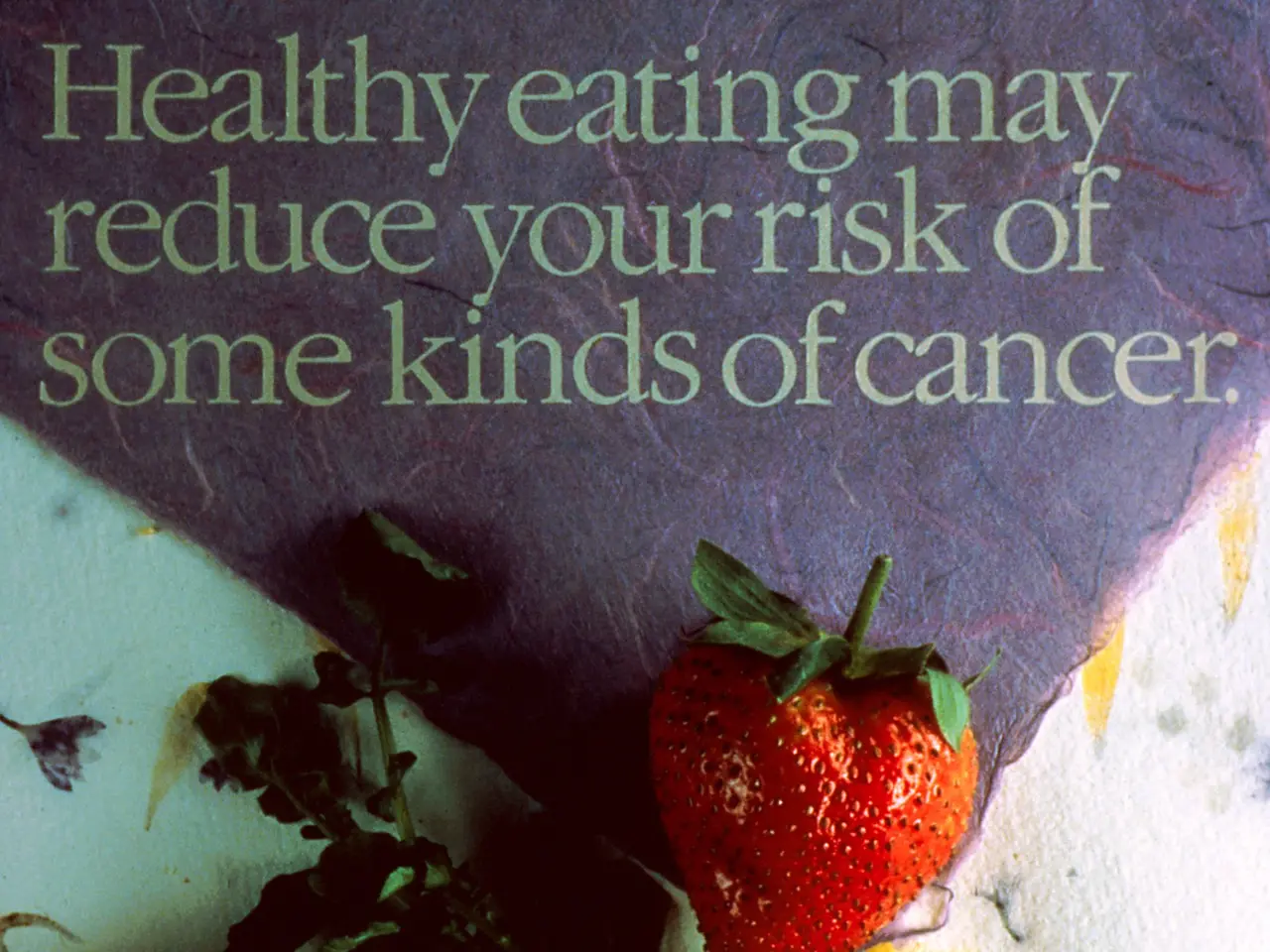
The link between vitamin D and colorectal cancer prevention points to diet as a potential protective factor. Without clear evidence supporting supplements, health guidelines continue to prioritise natural sources. Further research will be required to establish precise recommendations for supplementation in cancer prevention.