Which of the Four Sleep Types Matches Your Energy Rhythm?
A recent U.S. study has identified four distinct sleep patterns, each linked to different energy levels and productivity peaks. Researchers also found that over half of participants fell into less-than-ideal sleep categories. Meanwhile, sleep expert Dr. Michael Breus categorised people into four 'animal' sleep types, covering 95% of the population.
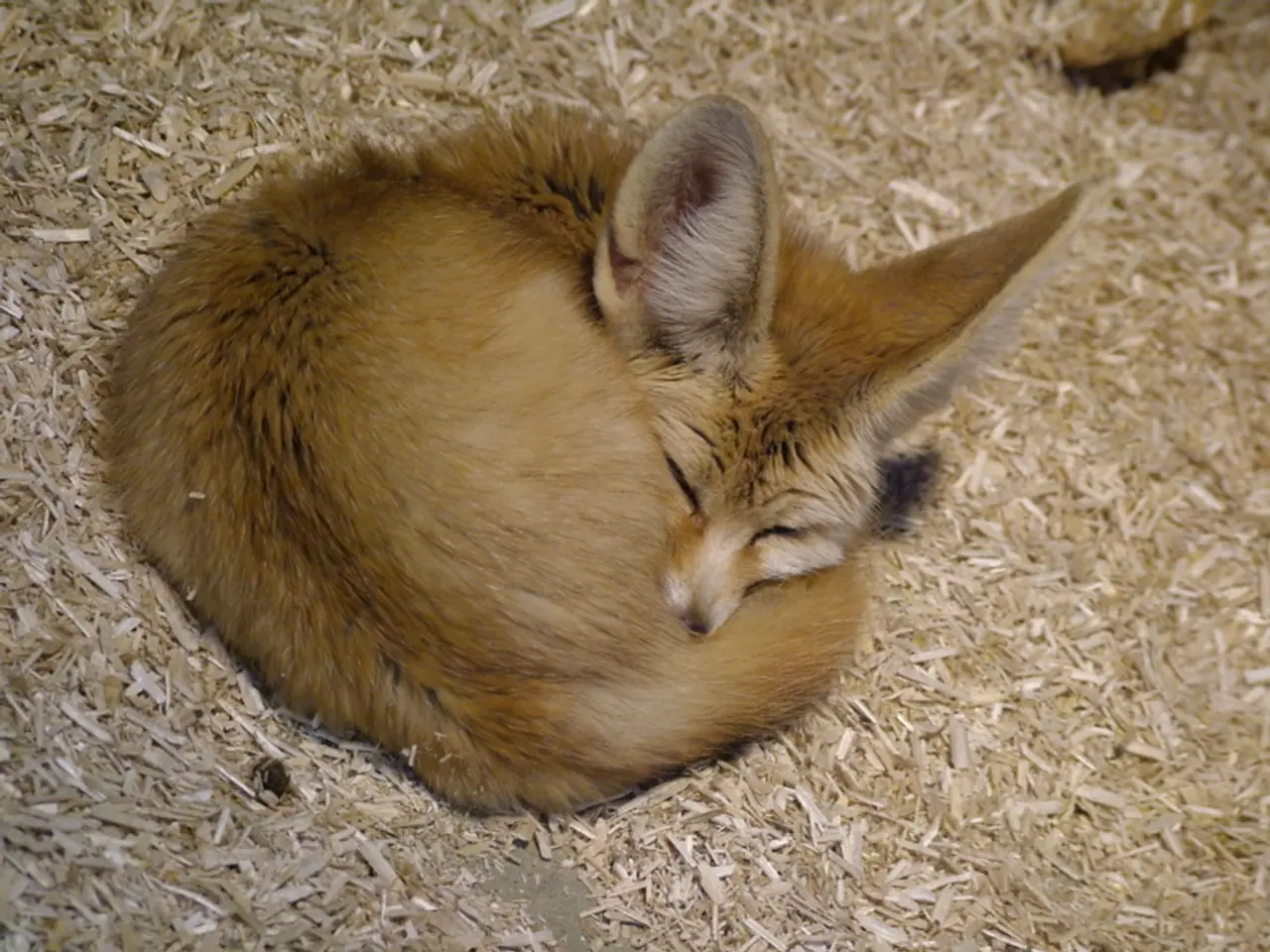
Dr. Breus defined the four main sleep types as bear, lion, wolf, and dolphin. The bear type, the most common at 55%, follows the sun’s natural cycle, maintaining steady energy throughout the day. Lions, making up 15%, are early risers with peak focus in the morning but fading energy by afternoon.
Wolves, also 15%, struggle in the early hours but hit their stride in late morning and evening. Dolphins, at 10%, are light sleepers who wake easily and perform best in the morning and late evening. The remaining 5% of people usually lean toward one type but don’t fit neatly into a single category.
The study also highlighted four broader sleep patterns: optimal sleepers, weekend catch-up sleepers, nappers, and the sleepless. Over half of participants fell into the latter two groups, which are less beneficial for long-term health. While changing sleep patterns is challenging, better sleep hygiene—such as a consistent sleep schedule, reduced evening caffeine, and limited screen time—can help.
For those with irregular sleep, personalised routines like flexible but steady bedtimes, mindfulness, and morning sunlight exposure may improve rest quality. Relaxation techniques, including deep breathing and meditation, can also calm the nervous system before bed.
The findings suggest that most people fit into one of four sleep types, each with distinct energy rhythms. Adjusting habits like sleep timing, evening routines, and light exposure could lead to better rest. However, shifting long-term patterns requires consistent effort and education on sleep hygiene.