Why chronic sleep disorders affect 5 million Germans—and how to fix them
Around 5 million adults in Germany struggle with chronic sleep disorders, with insomnia being the most common. Many people face occasional sleepless nights, but frequent disruptions can signal a deeper issue. Experts warn that persistent sleep problems may require medical attention.
Most adults need roughly eight hours of sleep each night to function well. When rest is hard to come by, the causes can vary widely. Aging, excessive caffeine, noise, an uncomfortable bedroom, or stress are common triggers. Other factors include jet lag, certain medications, physical pain, or even too much daytime napping. For older infants, sleeplessness might point to teething, hunger, illness, or digestive discomfort.
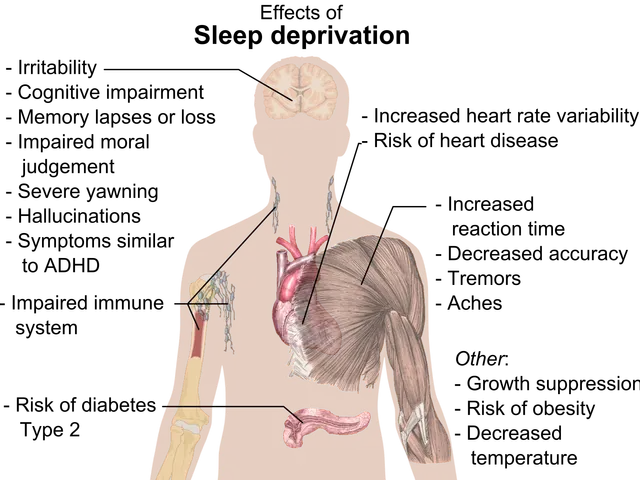
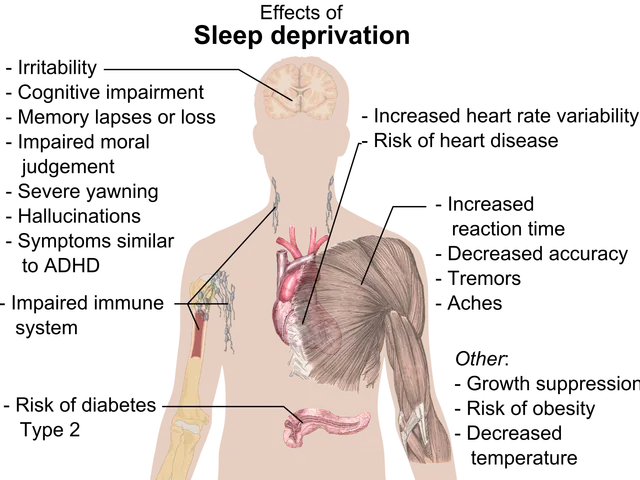
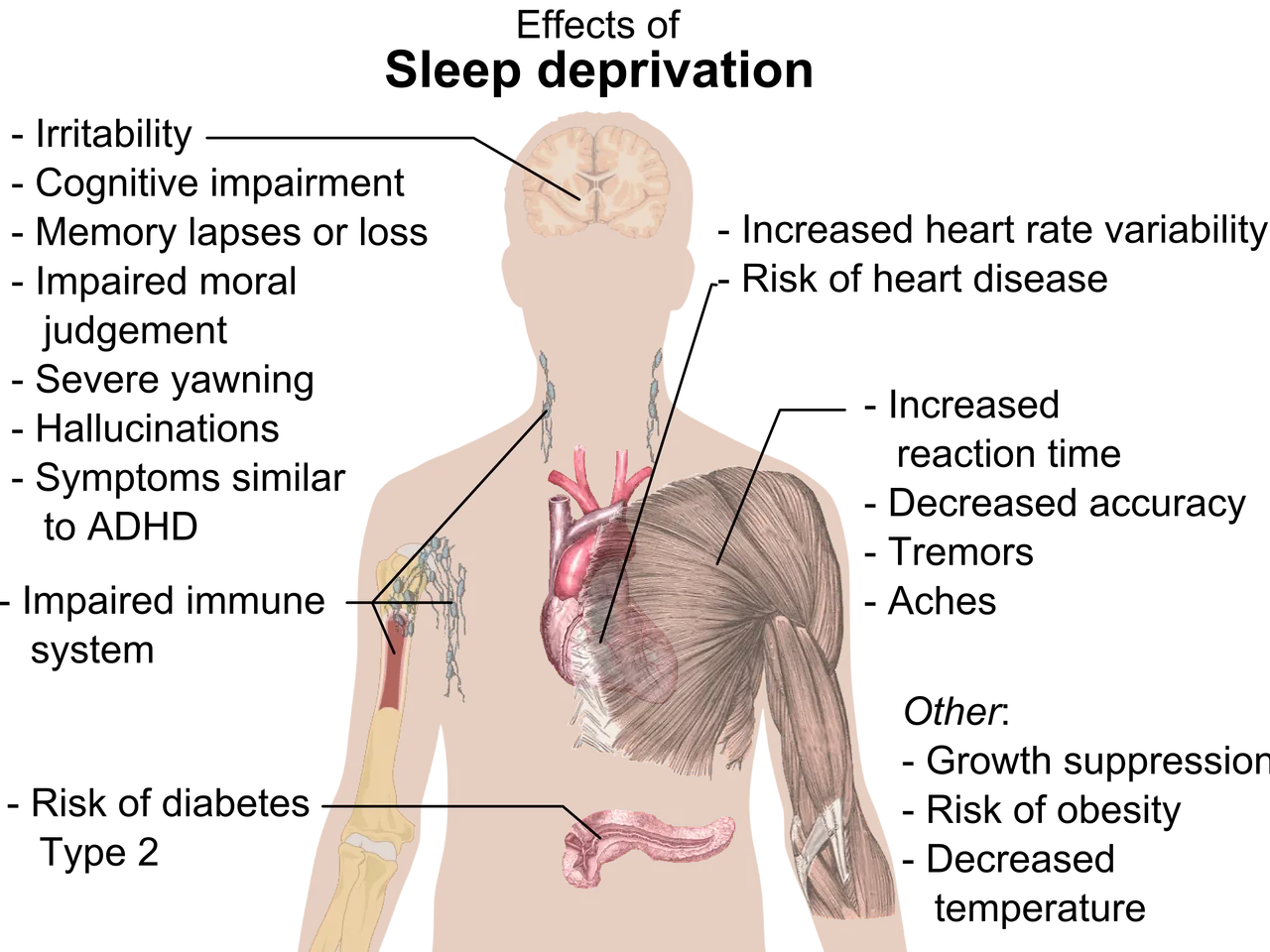
If poor sleep continues, it could stem from a disorder like insomnia, sleep apnea, or restless legs syndrome. Left untreated, sleep difficulties may harm both physical and mental health. Sufferers often report headaches, trouble focusing, or mood changes.
Doctors may suggest keeping a sleep diary to track habits or arranging a sleep study for a clearer diagnosis. Treatment depends on the root cause and might involve lifestyle adjustments, short-term sleep aids, or addressing an underlying condition. However, sleep aids carry risks, such as daytime drowsiness or dependency if used too often.
Frequent sleep problems should not be ignored, as they can indicate a medical issue or disorder. Consulting a doctor can help identify the cause and explore suitable treatments. Early intervention often leads to better long-term rest and overall health.