Why daytime naps are still essential for your child's brain and body
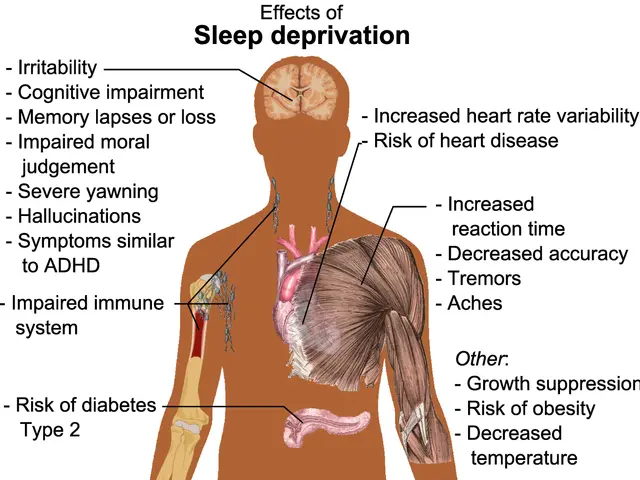
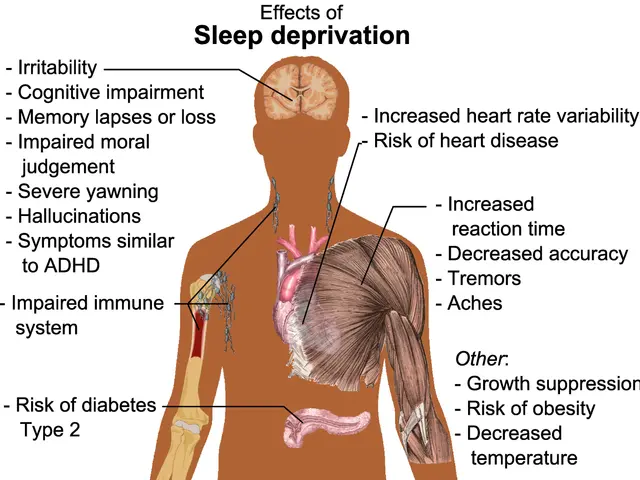
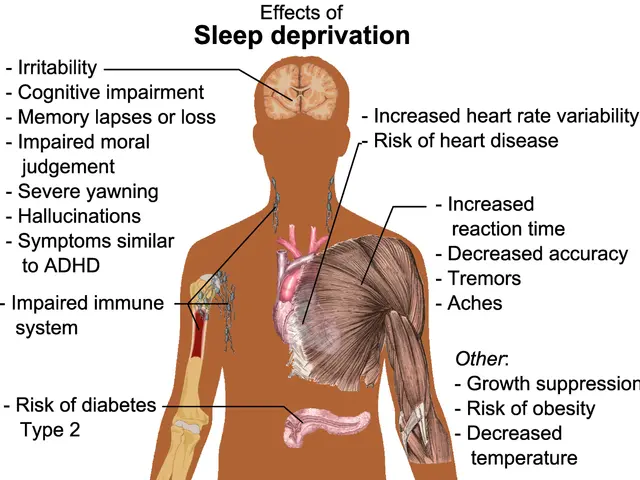
Daytime naps play a vital role in a child's growth, yet parents often worry about when to phase them out. Recent research shows naps support memory, attention, and physical recovery—but every child's needs differ. Experts now advise focusing less on rigid guidelines and more on individual development. Between the ages of two and five, naps help children process new skills and repair their bodies. During sleep, the brain strengthens memories by moving them from short-term to long-term storage. The immune system also produces protective cells, while the nervous system recovers from daily stress. Growth hormone, crucial for physical development, is released in higher amounts during rest.
Studies over the past decade highlight the benefits of naps for young children. Research in *Pediatrics* and *Sleep Medicine Reviews* found that 30–90 minutes of daytime sleep aids memory, attention, and emotional control. It also supports physical recovery and hormone release. However, excessive napping may link to later sleep difficulties. Not all children follow the same pattern. Some stop napping as early as two and a half, while others still need daytime rest until starting school. By age three, a child's brain may mature enough to skip naps—but this isn't a milestone to rush. Zaur Khatshukov, an assistant at the Pirogov Russian National Research Medical University, notes that dropping naps at three isn't an achievement but a natural variation. Between three and five, naps remain normal, though some children naturally refuse them.
Parents are encouraged to observe their child's behaviour rather than rely on fixed schedules or outside advice. Naps support cognitive and physical growth, but individual differences matter most. The key is ensuring children get the rest they need—whether that means a daily nap or none at all.