Why Deep Sleep Is the Hidden Key to Long-Term Health and Brain Function
Sleep plays a far greater role in health than many realise. Experts now highlight its vital influence on everything from immune strength to brain function. Without enough rest, both body and mind suffer in measurable ways.
Michael Feld, a sleep researcher and specialist in sleep medicine, recently explained the importance of deep sleep phases in the health journal HausArzt. His insights underscore how different stages of sleep contribute to recovery and long-term wellbeing.
Deep sleep triggers essential processes that keep the body functioning properly. During this phase, growth hormones are released, aiding skin repair, bone strength, and wound healing. At the same time, the glymphatic system activates, flushing out harmful waste products from the brain.
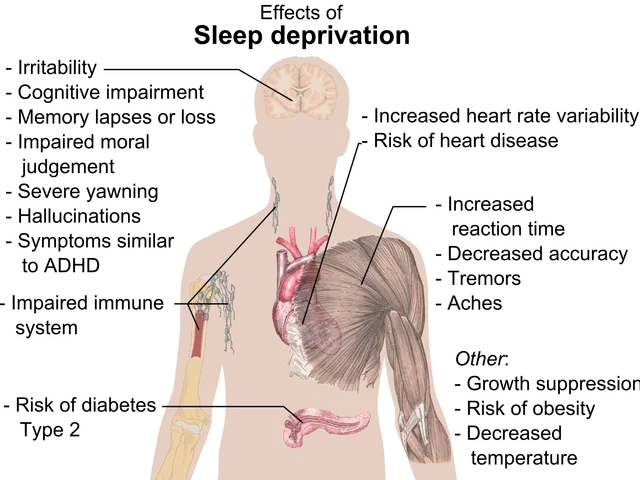
Sleep also helps the immune system fight inflammation and infection. Without enough rest, the body struggles to defend itself effectively. Over time, this can raise the risk of serious conditions, including obesity, diabetes, and heart disease.
The brain relies on sleep to organise memories and discard unnecessary information. It connects new knowledge with existing experiences, improving learning and recall. Chronic sleep loss, however, disrupts these functions, leading to poorer concentration, unstable moods, and weaker decision-making.
Insomnia—defined as poor sleep at least three nights a week for a month, paired with daytime tiredness—can have severe consequences if ignored. Research suggests long-term sleep deprivation may even increase the likelihood of neurodegenerative diseases like Alzheimer’s or Parkinson’s.
Most adults need between seven and nine hours of sleep each night to function at their best. Yet many consistently fall short, unknowingly compromising both physical and mental health.
The effects of poor sleep extend far beyond daytime fatigue. From weakened immunity to cognitive decline, the risks accumulate over time. Recognising the importance of rest—and addressing sleep problems early—can help prevent long-term harm to health.