Why elite athletes prioritize sleep quality over long hours in bed
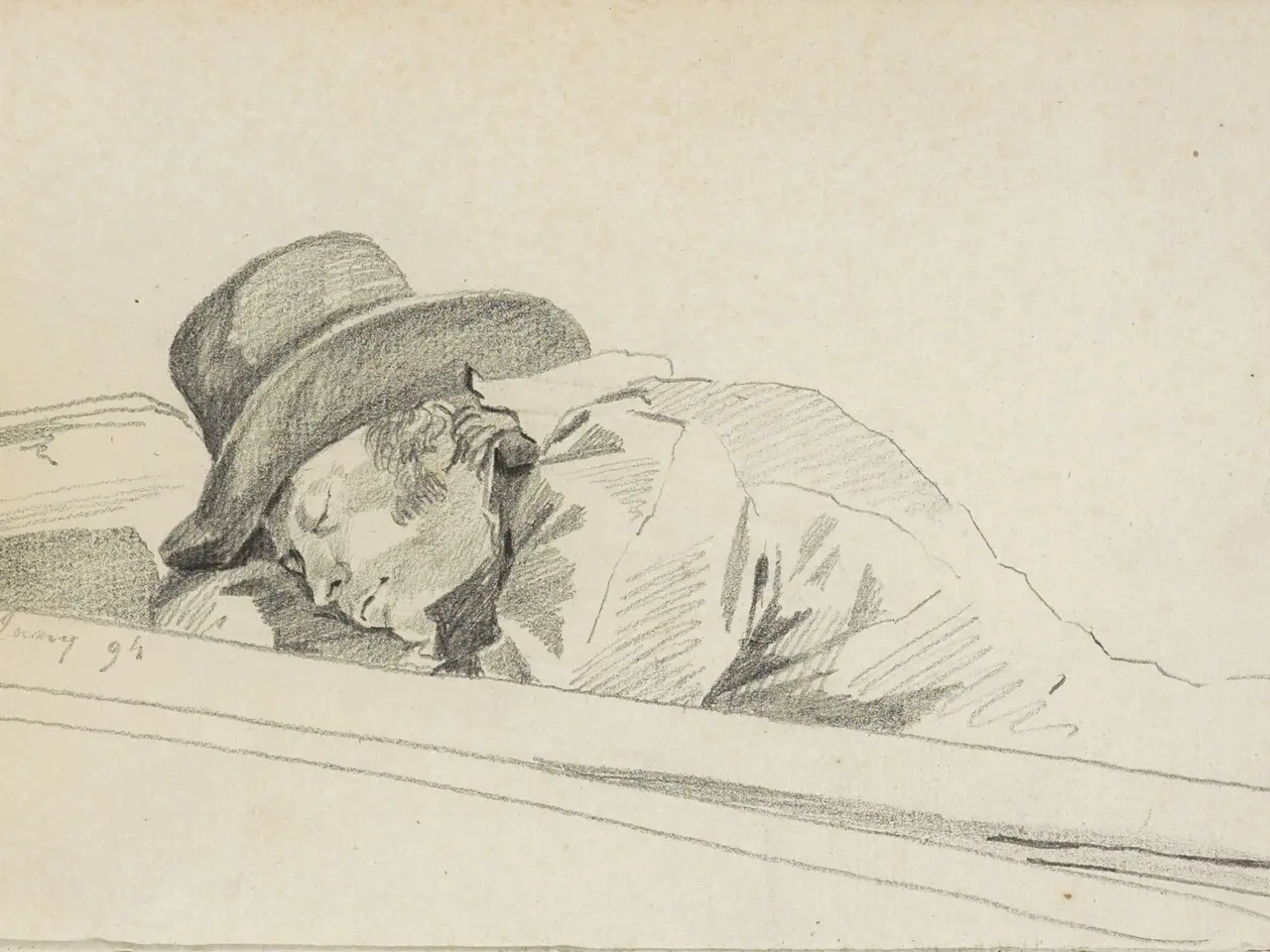
Sleep plays a vital role in the recovery and performance of elite athletes. While many focus on training and nutrition, experts now highlight the importance of sleep quality over sheer duration. Poor rest can lead to fatigue, reduced appetite and a higher chance of injury.
Athletes often face unique challenges when trying to get enough sleep. These include pre-competition nerves, early wake-ups, late returns from travel, and the effects of caffeine or alcohol. Yet, even six hours of high-quality rest can be enough for proper recovery—if the sleep cycles remain undisturbed.
Deep sleep, along with cycling through all three sleep stages, is essential for tissue repair and growth hormone release. This process helps muscles recover and strengthens the body. Experts like sport physician Dr. Lutz Graumann and researchers Giulio Tononi and Chiara Cirelli have discussed how uninterrupted sleep supports these functions.
Nutrition also plays a key role in improving sleep for athletes. Carbohydrates help people fall asleep faster, while proteins boost tryptophan production, aiding both sleep and muscle recovery. Fruits such as kiwi and cherries naturally raise melatonin and serotonin levels, which can extend sleep duration.
Instead of relying on supplements, experts recommend whole foods for better rest. Beyond diet, relaxation techniques like yoga, meditation, and keeping a worry journal can further enhance sleep quality.
Despite these benefits, many athletes struggle with sleep due to their demanding schedules. Late-night travel, early training sessions, and competition stress often disrupt their rest. Even small improvements in sleep quality, however, can make a noticeable difference in recovery and performance.
For elite athletes, prioritising sleep quality over quantity can lead to better recovery and reduced injury risks. A balanced diet, relaxation methods, and consistent sleep routines help maintain high performance levels. With the right approach, even six hours of undisturbed sleep can provide the rest needed for peak physical condition.