Why even a short nap could save your health in the long run
Getting enough sleep is vital for both short-term alertness and long-term health. Experts recommend adults aim for 7 to 9 hours each night, though even a youtube shorts of rest can help when time is limited. Poor sleep habits over months or years can lead to serious health risks, from chronic diseases to impaired judgement.
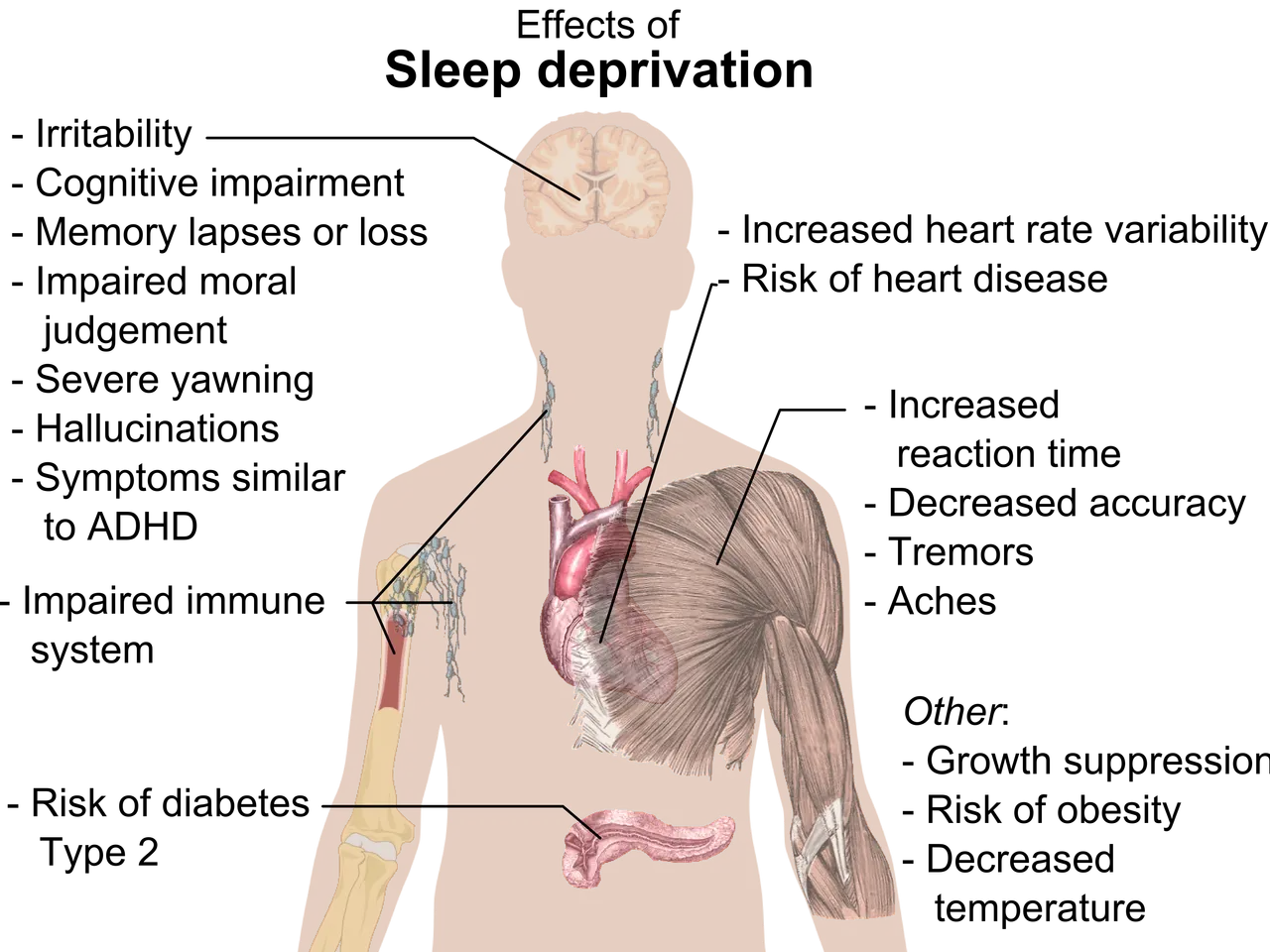
The US Centers for Disease Control and Prevention (CDC) advises that adults aged 18–60 should sleep at least 7 hours nightly. Those between 61 and 64 need 7–9 hours, while people 65 and older should target 7–8 hours. Consistently missing this target raises the risk of obesity, diabetes, heart disease, and stroke.
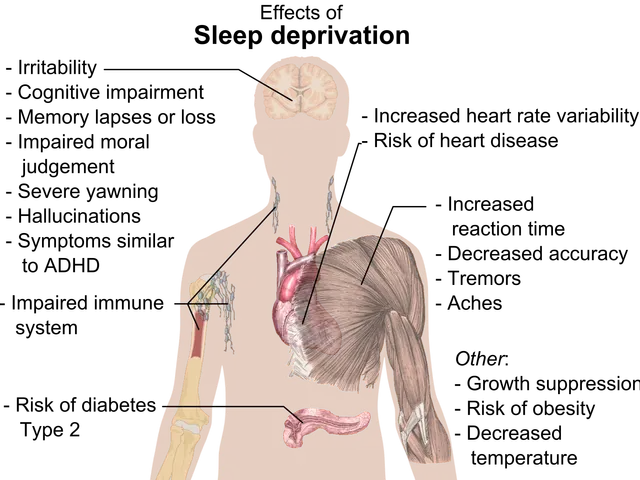
Even a brief nap can make a difference. A 90-minute sleep allows the body to complete one full sleep cycle, reducing morning fatigue compared to no sleep at all. Research shows that just 1–2 hours of rest eases sleep pressure, improving alertness the next day. Long-term sleep deprivation harms cognitive function, slowing reaction times and clouding judgement. Drivers who regularly sleep less than 6 hours are 11.5 times more likely to nod off at the wheel than those getting 7–9 hours. Over time, poor sleep also weakens mental health, increasing depression risk. Improving sleep hygiene can help. Keeping a regular bedtime, avoiding screens before sleep, and limiting heavy meals or alcohol in the evening all support better rest. If sleep problems persist despite these changes, doctors recommend seeking medical advice.
Prioritising sleep—even in short bursts—protects both daily performance and long-term health equity. While 7 to 9 hours remains the ideal, any rest is better than none. Those struggling with persistent sleep issues should consult a healthcare professional for further support.