Why Excessive Drooling During Sleep Could Signal a Hidden Health Risk
Drooling during sleep is common and often harmless. But when it happens frequently, it may signal an underlying health issue. Experts warn that persistent drooling could be linked to sleep disorders or neurological conditions.
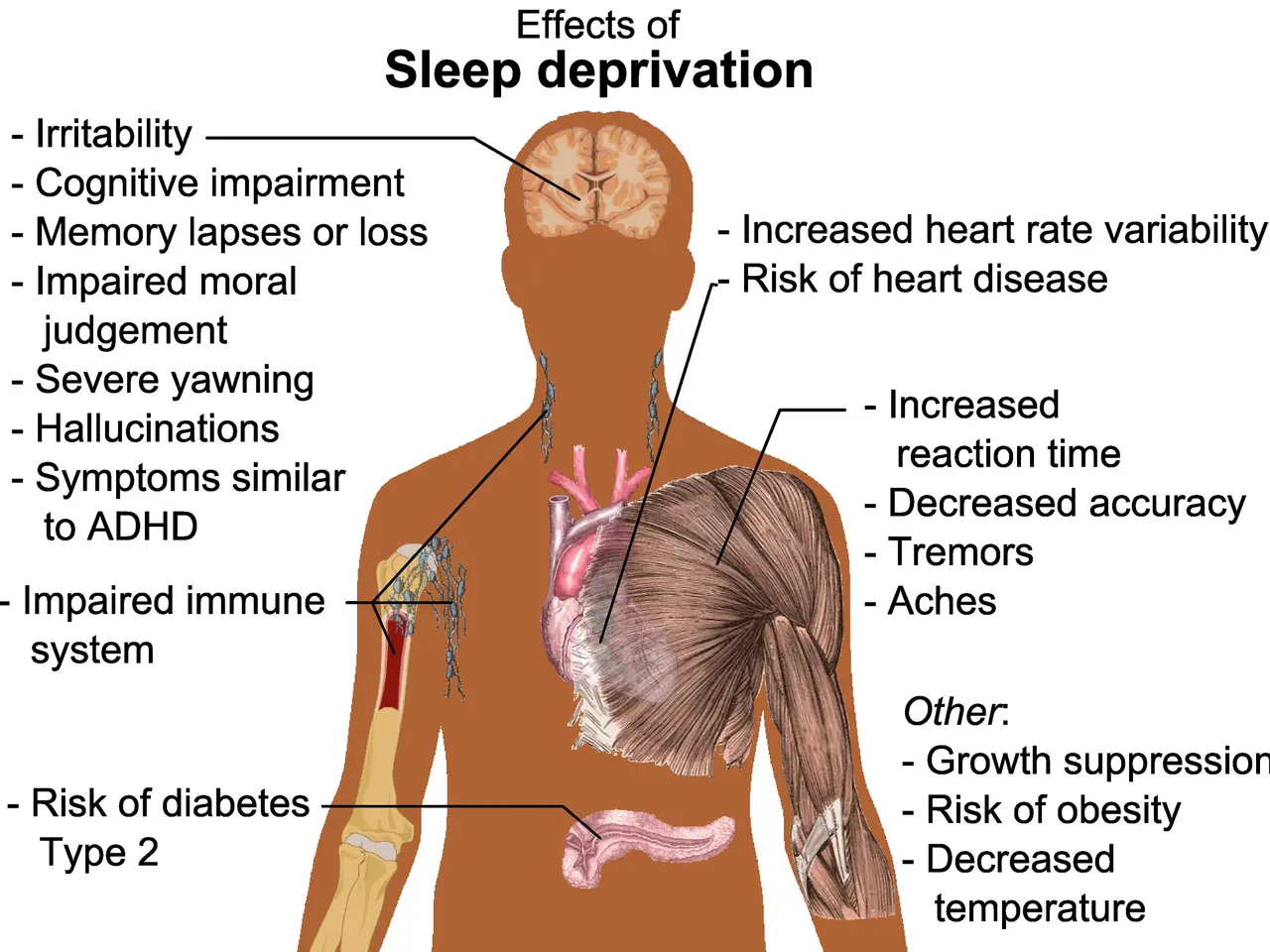
One major cause of excessive drooling is sleep apnea. This serious condition allows saliva to pool and escape the mouth while sleeping. In the US alone, around 23.5 million people have undiagnosed sleep apnea, which can lead to heart disease, diabetes, and even premature death if untreated.
Other factors like mouth breathing, acid reflux, or a stuffy nose can also trigger drooling. Dental problems or an awkward sleeping position may play a role too. While occasional drooling isn't concerning, frequent episodes should not be ignored.
An at-home sleep study can help identify whether a sleep disorder is the cause. If drooling is accompanied by swallowing difficulties, it might indicate a more serious condition. Doctors recommend consulting an ear, nose, and throat specialist for a proper evaluation.
Some people try mouth taping to reduce drooling, but this carries risks. If nasal passages are blocked or regurgitation occurs, asphyxiation becomes a real danger.
Ignoring frequent drooling could mean missing early signs of sleep apnea or other health problems. Untreated sleep apnea has been linked to severe complications, including stroke and depression. Seeking medical advice ensures any underlying issues are addressed before they worsen.