Why Heartbreak Feels Like a Physical Wound—and How to Heal
Heartbreak, a nearly universal experience, affects over 80% of people after a romantic split. But the emotional pain doesn't always come from love—it can also follow the loss of a close friend or the death of someone cherished. The emotional toll can feel as sharp as a physical injury, leaving people struggling with sleepless nights or a heavy ache in their chest.
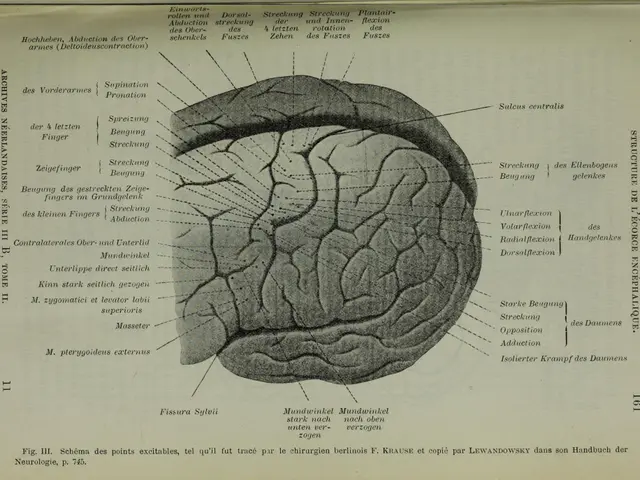
Dr. Yoram Yovell, a psychiatrist and neuroscientist, explains that heartbreak often feels like a crushing weight on the chest. The brain processes this emotional pain in the same regions as physical injuries, blurring the line between the two. Some even report feeling winded, as if punched in the stomach, or battling persistent insomnia.
In extreme cases, the stress of heartbreak can trigger takotsubo cardiomyopathy—a rare but serious condition where the heart weakens suddenly, mimicking a heart attack. Dr. Yovell describes emotional pain as a kind of 'superglue,' making it harder to let go when someone important pulls away. This instinctive response pushes people to cling to relationships, even when they're fading.
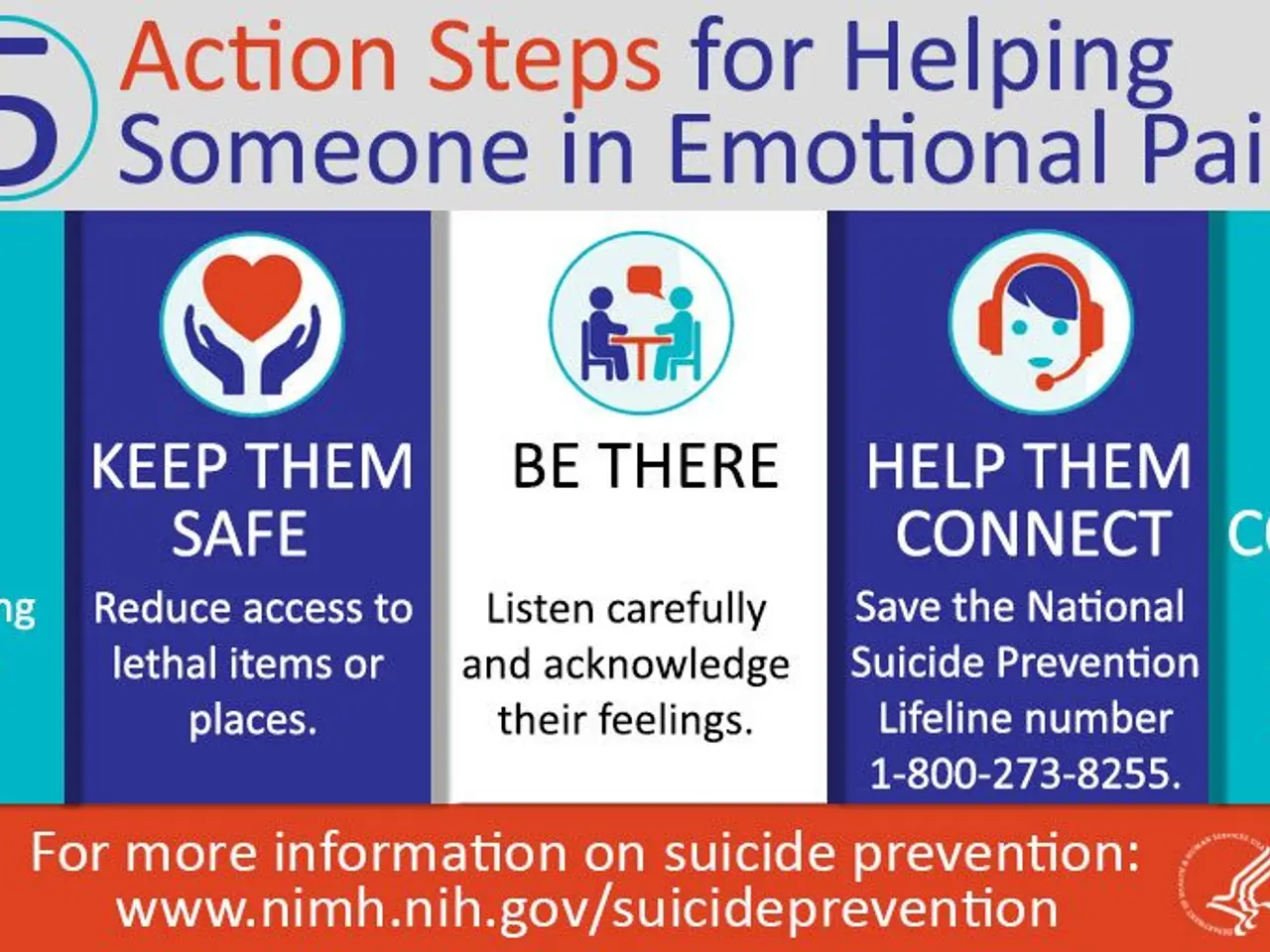
Recovery doesn't have to be a lonely process. Spending time with a supportive friend or family member can ease the emotional pain by releasing endorphins—natural chemicals that lift mood and dull distress. Dr. Yovell suggests reaching out to those suffering from heartbreak, inviting them out and reminding them of life beyond their loss.
While heartbreak can leave deep emotional wounds, it doesn't have to last forever. Reconnecting with loved ones and seeking small moments of comfort can help the healing process. Over time, the emotional weight lifts, and the pain—though real—becomes easier to carry.