Why India's Super-Yielding Thar Jyothi Cowpea Remains a Hidden Gem
A high-yielding cowpea variety called Thar Jyothi was developed in Gujarat over two decades ago. Despite its advantages, the crop has struggled to gain widespread adoption across India. Farmers in Gujarat and Rajasthan grow it on less than 500 hectares as of 2025, far below expectations for a variety designed for efficiency and resilience. Thar Jyothi was created by the ICAR-Central Horticultural Experiment Station in Godhra as a hybrid cowpea variety. Unlike traditional types, it flowers and matures early, producing its first harvest in just 48-50 days after sowing. Its photo-insensitive nature also allows year-round cultivation, giving farmers flexibility in planting schedules.
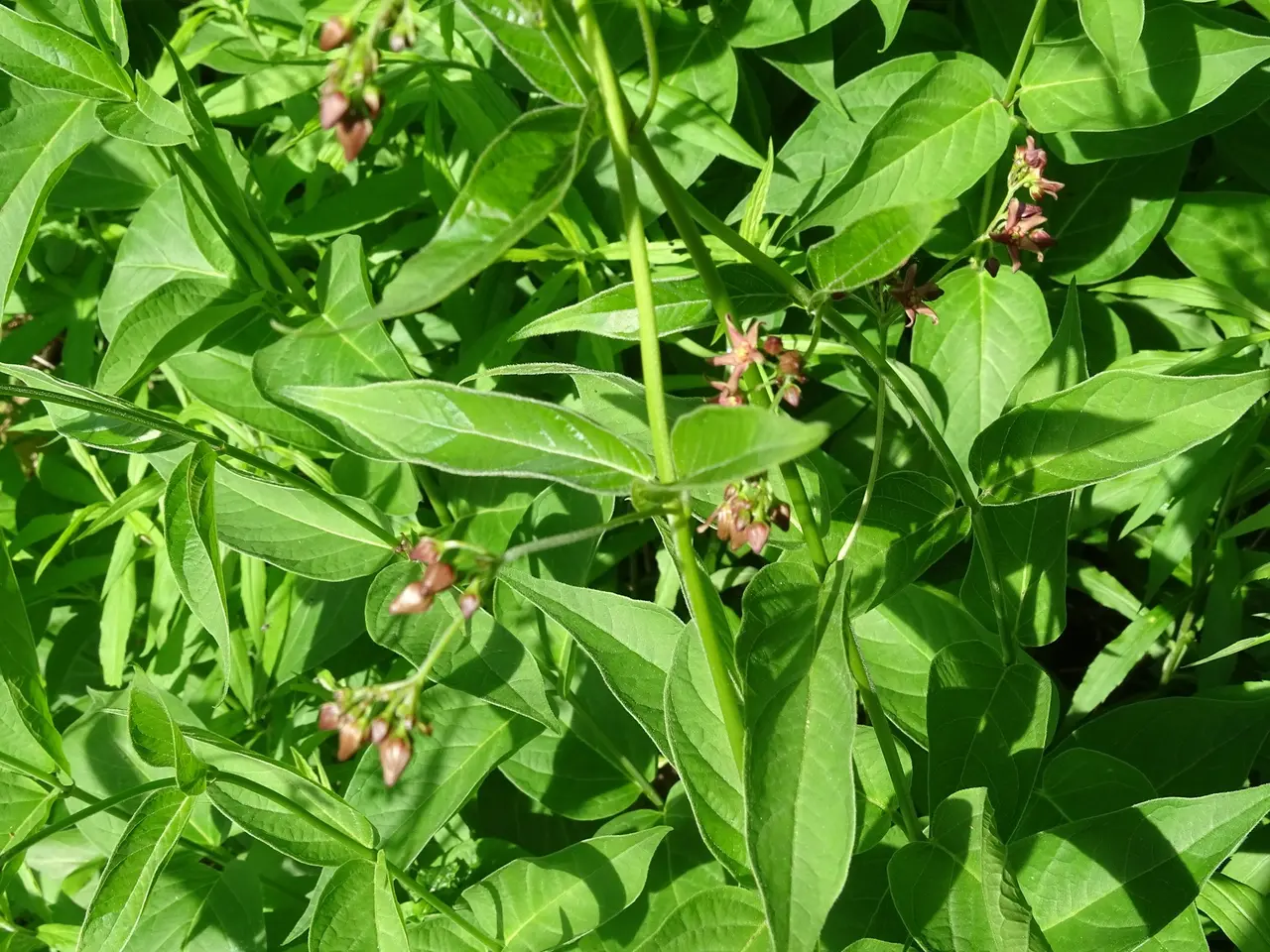
The plants grow to about 50-56 cm tall, with dark green leaves and numerous pods. Each plant yields around 120-150 pods, translating to 1.5 to 2.0 kg of produce per plant. Under ideal conditions, the total yield reaches 20-25 tonnes per hectare, making it one of the more productive cowpea varieties available. Beyond productivity, Thar Jyothi resists common diseases like cowpea mosaic virus and rust. This hardiness reduces the need for chemical treatments, lowering costs for growers. Yet, despite these benefits, it has faced stiff competition from other high-yielding varieties, limiting its expansion beyond Gujarat and Rajasthan. Cowpea itself is a valuable crop, known for its high protein content and low levels of fat, cholesterol, and sodium. Often called black-eyed bean, it plays a key role in balanced diets and holds economic importance for farmers in warm climates.
Thar Jyothi remains a niche crop, cultivated on small plots despite its early maturity and disease resistance. Its potential yield of 20-25 tonnes per hectare has not been enough to push widespread adoption. For now, the variety continues to grow mainly in Gujarat and Rajasthan, with no signs of national expansion.